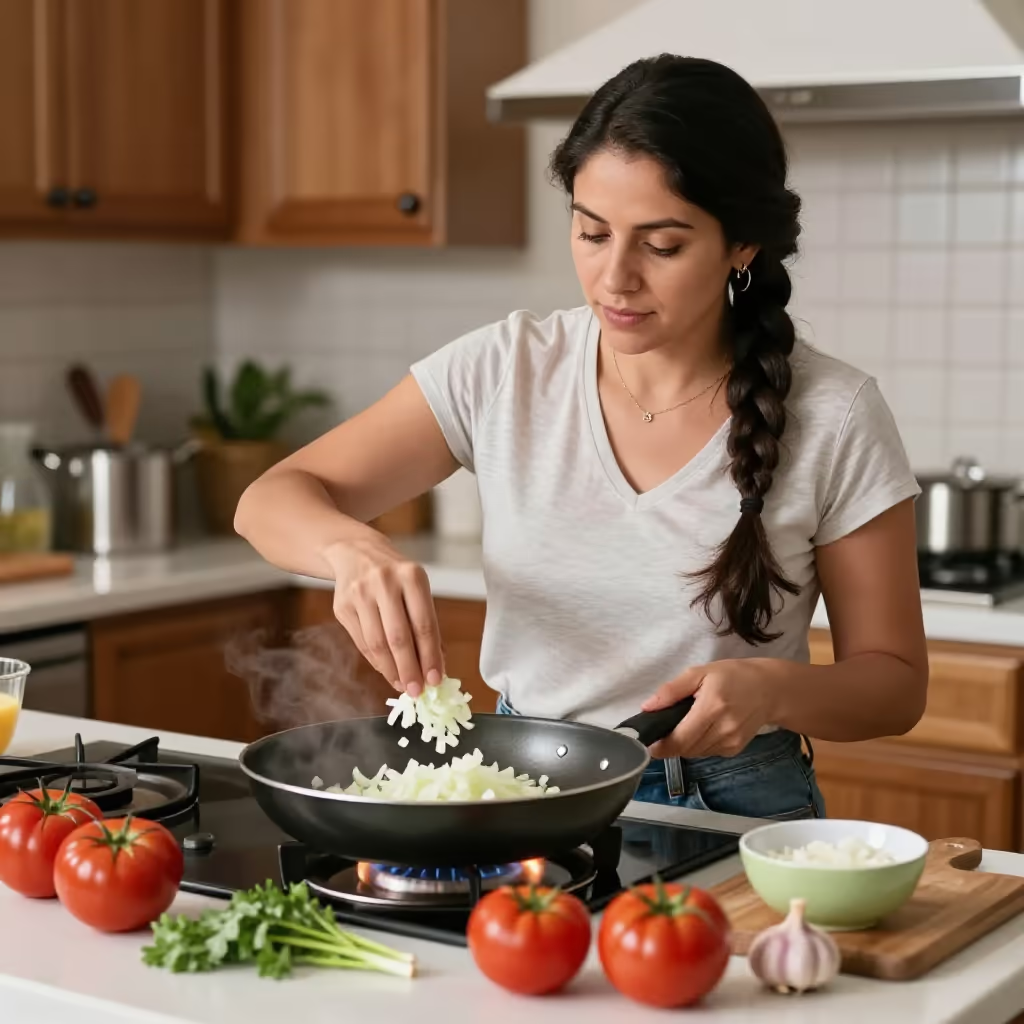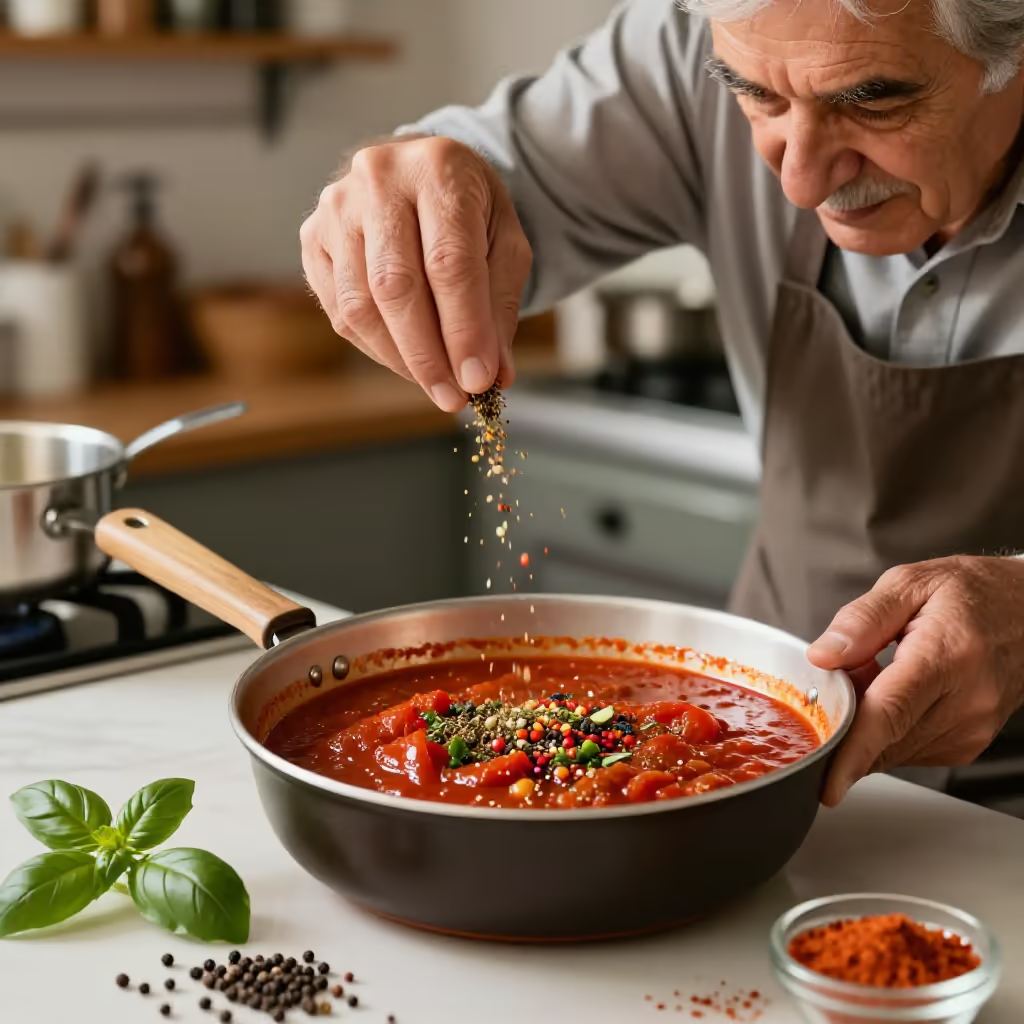
An ingredient, usually of plant origin such as herbs or spices, that is added to food to improve or change its flavor.
example
Der Suppe fehlt noch die richtige Würze, vielleicht etwas Pfeffer und Muskat.
The soup still lacks the right seasoning, maybe some pepper and nutmeg.

Usage tips
Word family
'Die Würze' (seasoning/spice) is the noun related to the verb 'würzen' (to season). When you season food, you give it 'Würze' (seasoning).
EXAMPLE
Ich muss die Soße noch etwas würzen, ihr fehlt die richtige Würze.
I still need to season the sauce a bit; it lacks the right seasoning.
Typical usage
In the context of food, 'Würze' is often used to express that flavor is missing. Typical formulations are 'dem Essen fehlt die Würze' (the food lacks seasoning) or 'etwas mehr Würze vertragen' (to be able to use a bit more seasoning).
EXAMPLE
Der Eintopf schmeckt fad, er könnte mehr Würze vertragen.
The stew tastes bland; it could use more seasoning.
Fixed expression
The figurative meaning is used almost exclusively in the idiom 'die Würze des Lebens' (the spice of life). This means that something makes life more exciting or interesting.
EXAMPLE
Kleine Abenteuer sind die Würze des Lebens.
Little adventures are the spice of life.
Compare with
confusable
Würze vs Geschmack
taste
'der Geschmack' and 'die Würze' are closely connected when talking about food, but they are not the same thing. 'Geschmack' describes how something tastes or what flavor a food has. 'Würze' is more about what makes the taste stronger, more interesting, or better, for example through herbs or spices. You can also say figuratively that something gives a situation 'Würze', meaning it makes it more exciting. Learners may confuse the words because both are important with food. Remember: taste or flavor is the result; seasoning is often a means that changes that result.
Würze
Ein wenig Pfeffer gibt der Soße mehr Würze.
A little pepper gives the sauce more seasoning.
Geschmack
Der Geschmack des Kuchens erinnert mich an meine Kindheit.