

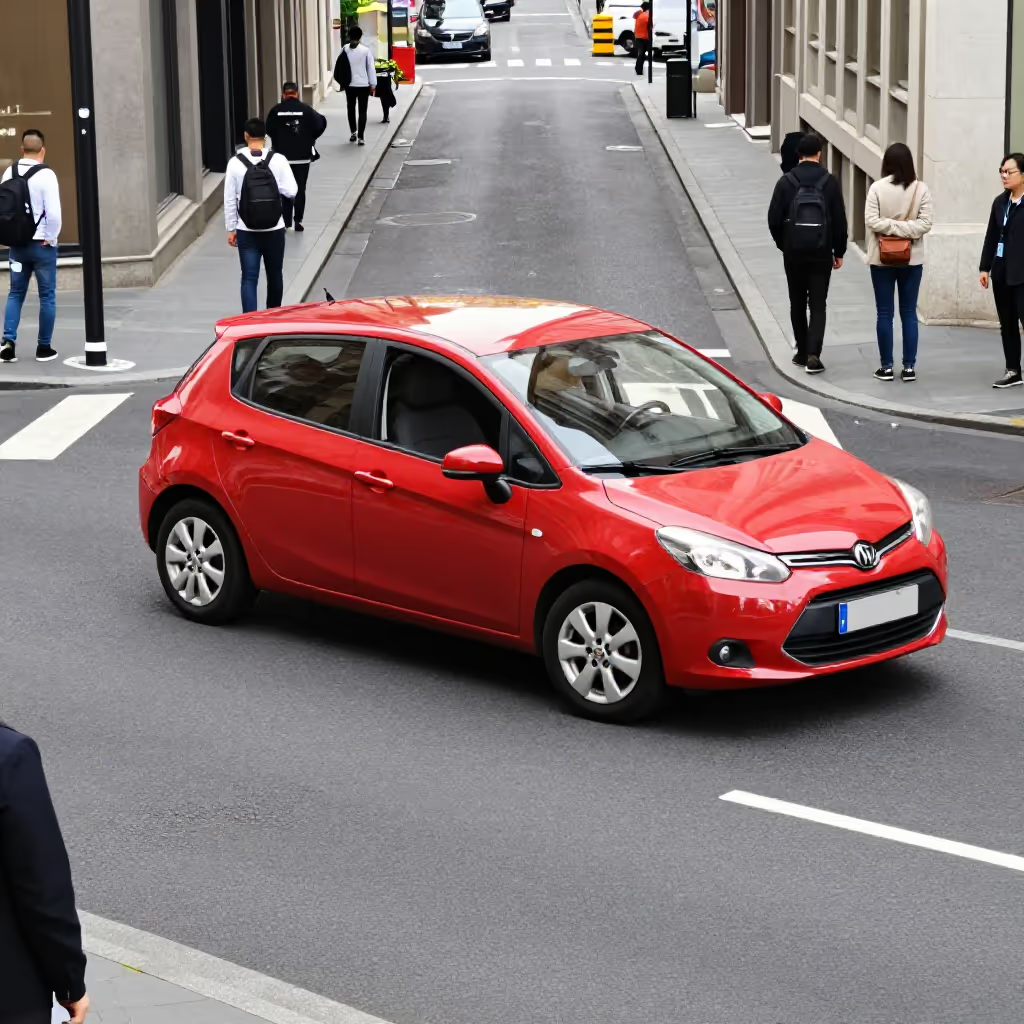
abbiegen
to turn
To change direction while driving or walking and turn into another street or path.
EXAMPLE
Fahren Sie geradeaus und biegen Sie an der zweiten Ampel rechts ab.
Drive straight ahead and turn right at the second traffic light.
to turn / bend
Loading your saved state.
to turn
To change direction while driving or walking and turn into another street or path.
Fahren Sie geradeaus und biegen Sie an der zweiten Ampel rechts ab.
Drive straight ahead and turn right at the second traffic light.
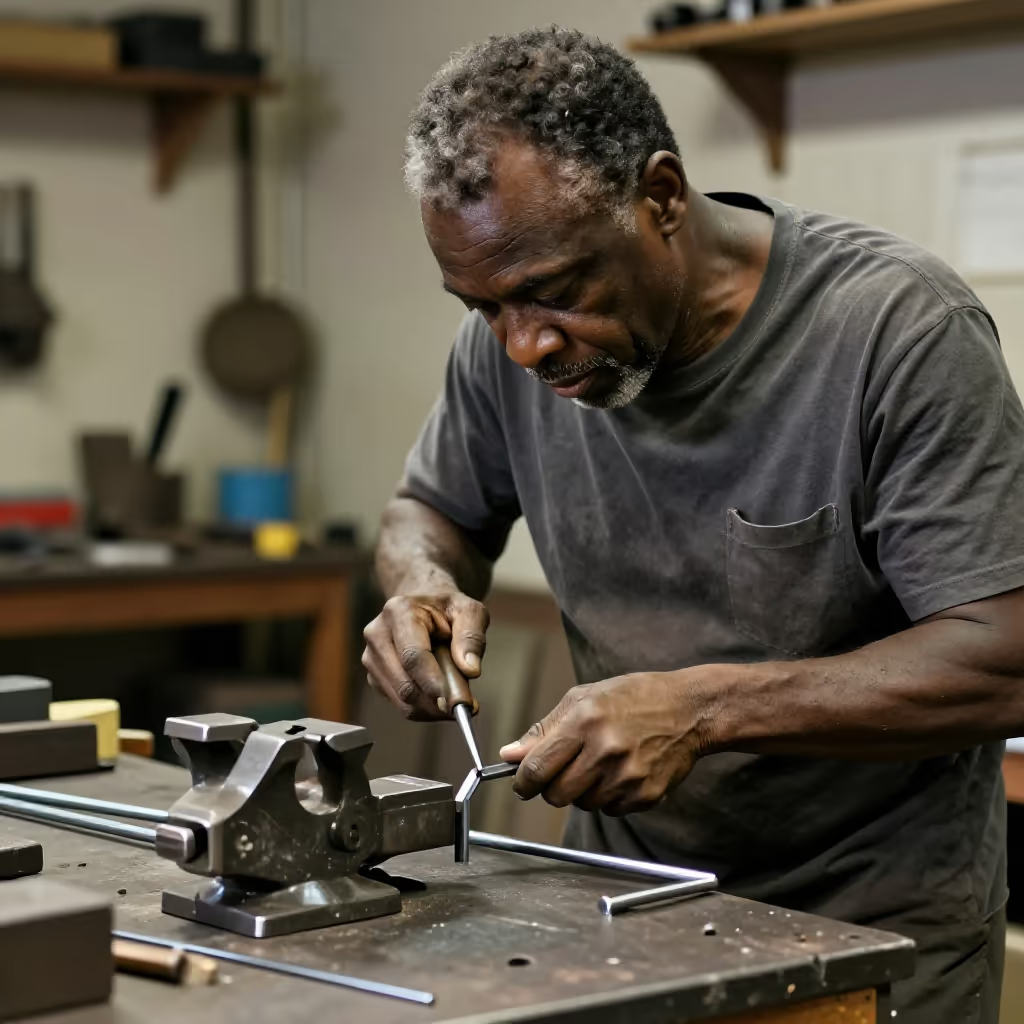
to bend
To bend or curve an object, usually made of metal or another malleable material, at an angle.
Der Klempner musste das Kupferrohr abbiegen, damit es um die Ecke passt.
The plumber had to bend the copper pipe so that it would fit around the corner.
'Abbiegen' is a separable verb. The prefix 'ab-' comes at the end in a main clause. In subordinate clauses and in the infinitive with 'zu', the verb stays together.
Ich biege an der nächsten Kreuzung links ab.
I turn left at the next intersection.
The auxiliary verb in the perfect tense depends on the meaning. For changing direction (movement), you use 'sein' (to be); for bending an object (an action), you use 'haben' (to have).
Der Radfahrer ist plötzlich rechts abgebogen.
The cyclist suddenly turned right.
When changing direction, you use 'nach' for left/right and 'in' with the accusative for a street or path.
Biegen Sie bitte nach links ab.
Please turn left.
to bend
Abbiegen and um die Ecke biegen both refer to changing direction while walking or driving. Abbiegen names the turn into another street or onto another path, while biegen in this meaning is normally used with „um die Ecke“ or „um die Kurve“. Use abbiegen for the new street and biegen for going around the corner.
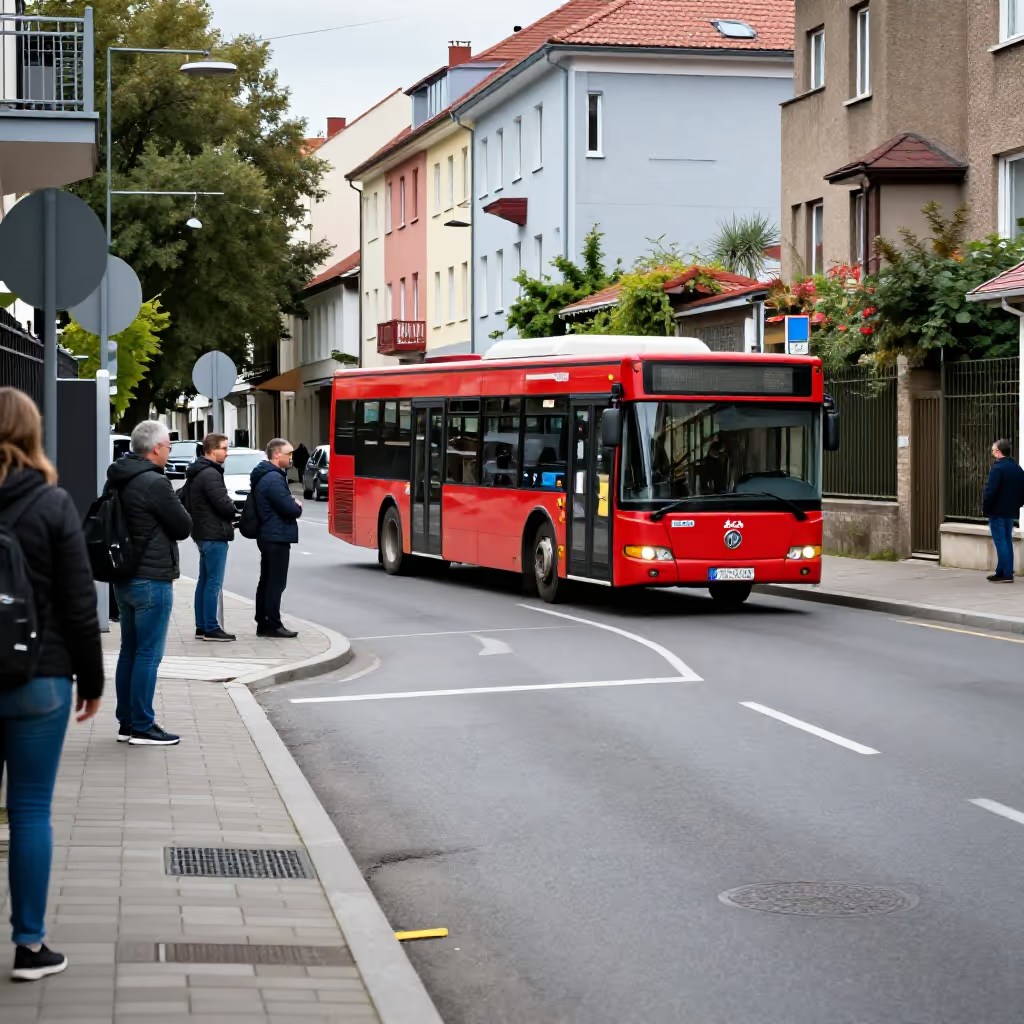
An der nächsten Kreuzung müssen wir rechts in die Bahnhofstraße abbiegen.
At the next intersection, we have to turn right into Bahnhofstraße.
An der nächsten Kreuzung biegen wir um die Ecke und sehen dann den Bahnhof.
At the next intersection, we turn the corner and then see the train station.