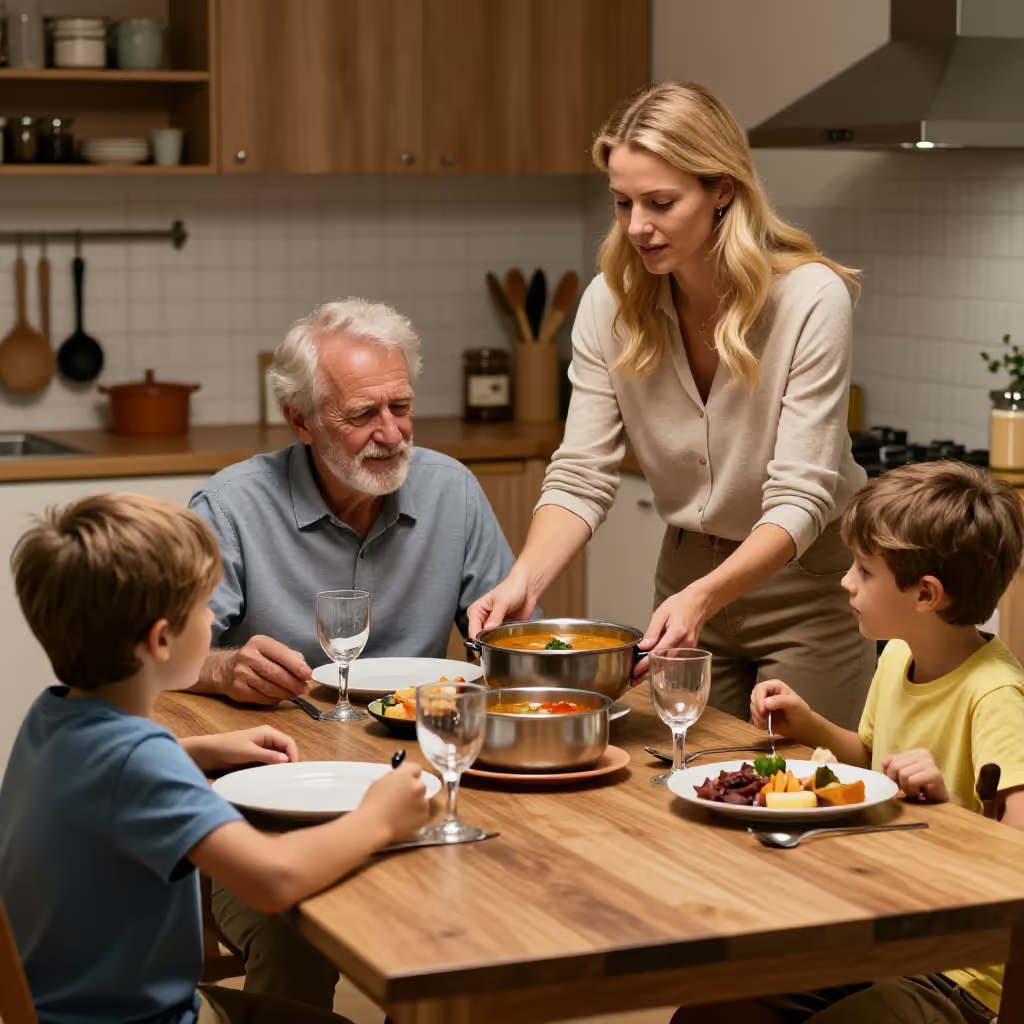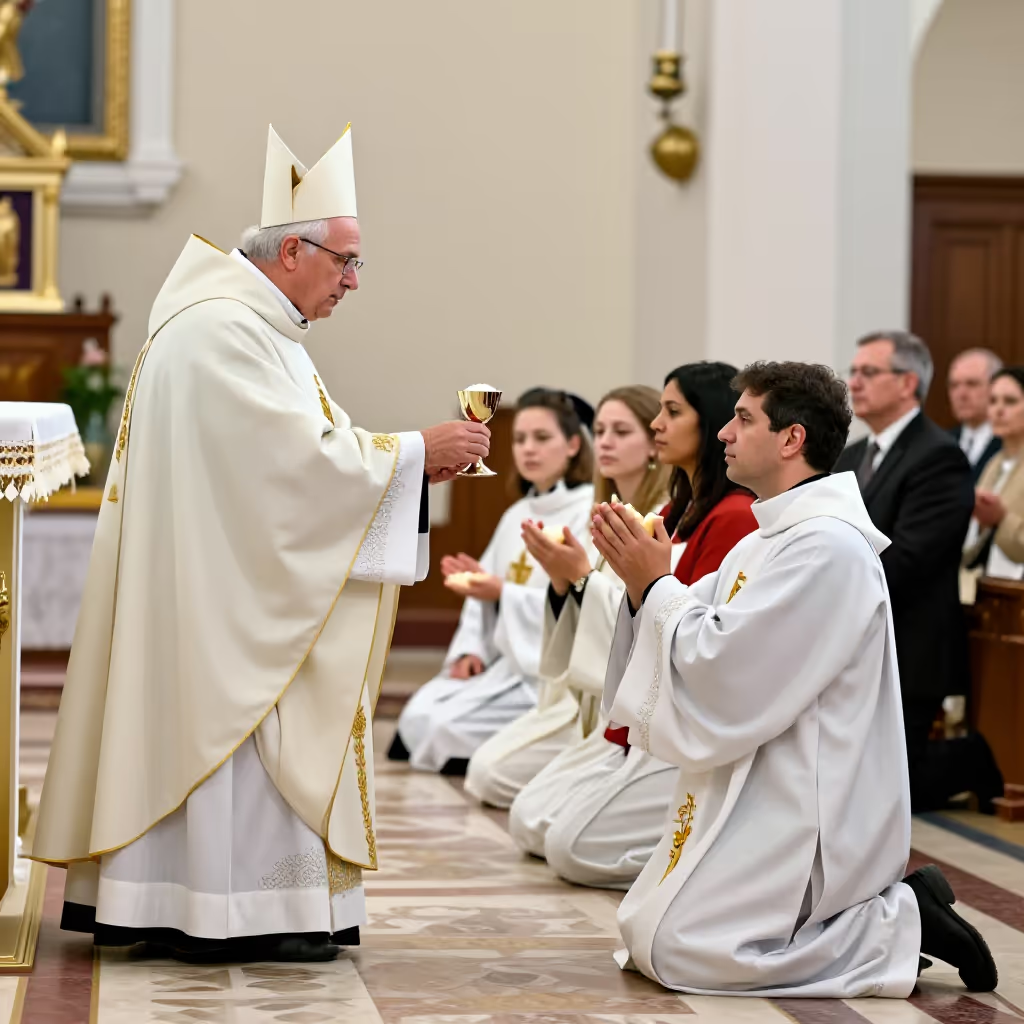
A central Christian ceremony in which bread and wine are shared as symbols of the body and blood of Jesus Christ. It commemorates Jesus's last meal with his disciples.
example
In der Osternacht feiert die Gemeinde traditionell das Abendmahl.
On Easter night, the congregation traditionally celebrates Communion.

Usage tips
Compound structure
The word is made up of 'Abend' (evening) and 'Mahl' (meal). The literal meaning 'evening meal' is outdated today, but it explains the origin of the word, which refers to Jesus's last meal in the evening.
EXAMPLE
Das Wort „Mahl“ findet man auch in „Mahlzeit“.
The word 'Mahl' (meal) is also found in 'Mahlzeit' (mealtime/meal).
Typical verbs
In a religious context, 'Abendmahl' is often used with certain verbs. The most common are 'das Abendmahl feiern' (to celebrate Communion), 'zum Abendmahl gehen' (to go to Communion), and 'das Abendmahl empfangen' (to receive Communion).
EXAMPLE
Viele Gläubige gehen an Feiertagen zum Abendmahl.
Many believers go to Communion on holidays.
Context clue
The meaning 'dinner' is very rare today and sounds poetic or historical. Almost always, the religious ceremony is meant, recognizable from the context of church, faith, or Christian holidays.
EXAMPLE
In alten Romanen versammelt sich die Gutsherrenfamilie zum Abendmahl.
In old novels, the nobleman's family gathers for supper.
Compare with
confusable
Abendmahl vs Abendessen
dinner
'das Abendessen' and 'das Abendmahl' can easily be confused because they have a similar form. In everyday use today, 'Abendessen' means the normal meal in the evening or a shared evening meal. 'Abendmahl' is used today mainly in a Christian context for a religious ceremony with bread and wine. As an old-fashioned or elevated word, 'Abendmahl' can also mean an evening meal, but that does not sound everyday today. For a normal meal, people almost always say 'Abendessen'.
Abendmahl
In der Kirche nehmen die Gläubigen am Abendmahl teil.