

antik
ancient
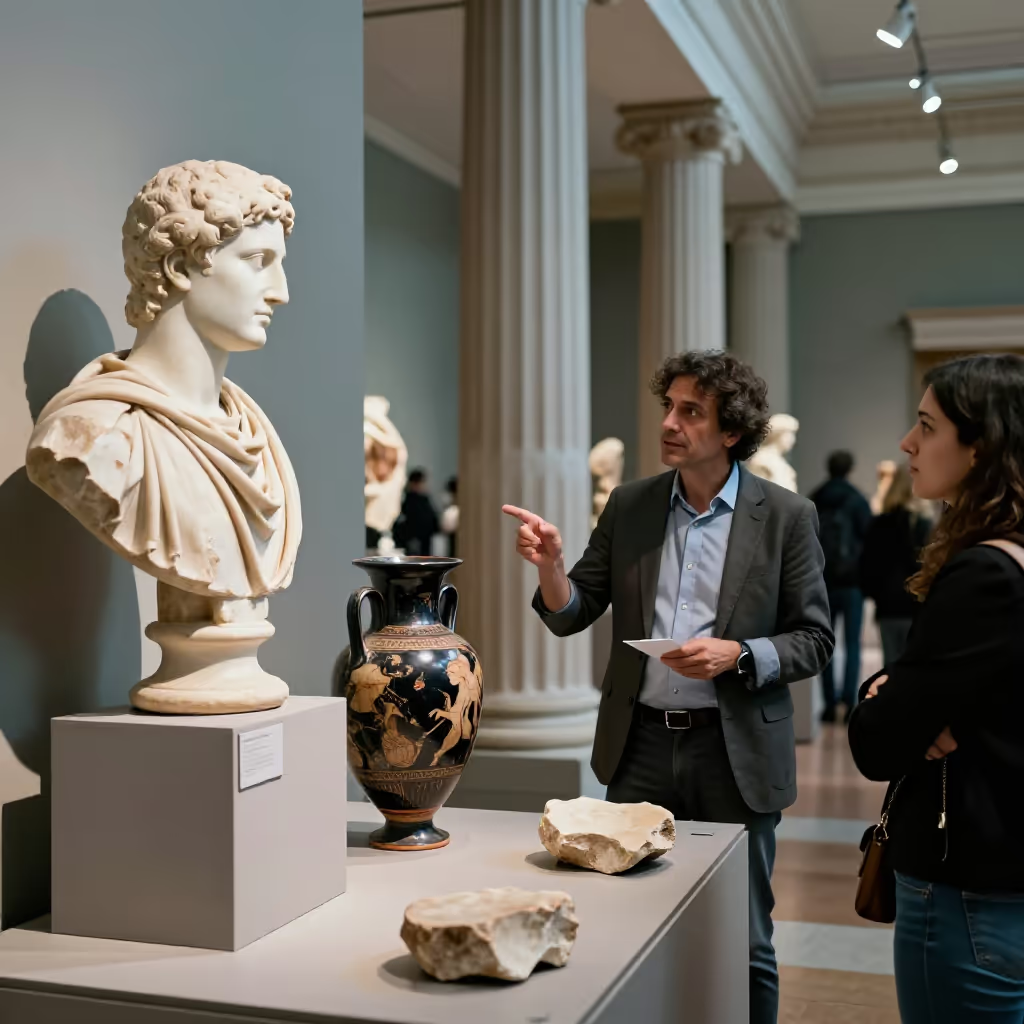
Originating from or relating to the period of Greek or Roman antiquity.
EXAMPLE
Das Museum stellt viele antike Statuen aus.
The museum exhibits many ancient statues.
ancient / antique
Loading your saved state.
ancient
Originating from or relating to the period of Greek or Roman antiquity.
Das Museum stellt viele antike Statuen aus.
The museum exhibits many ancient statues.
antique
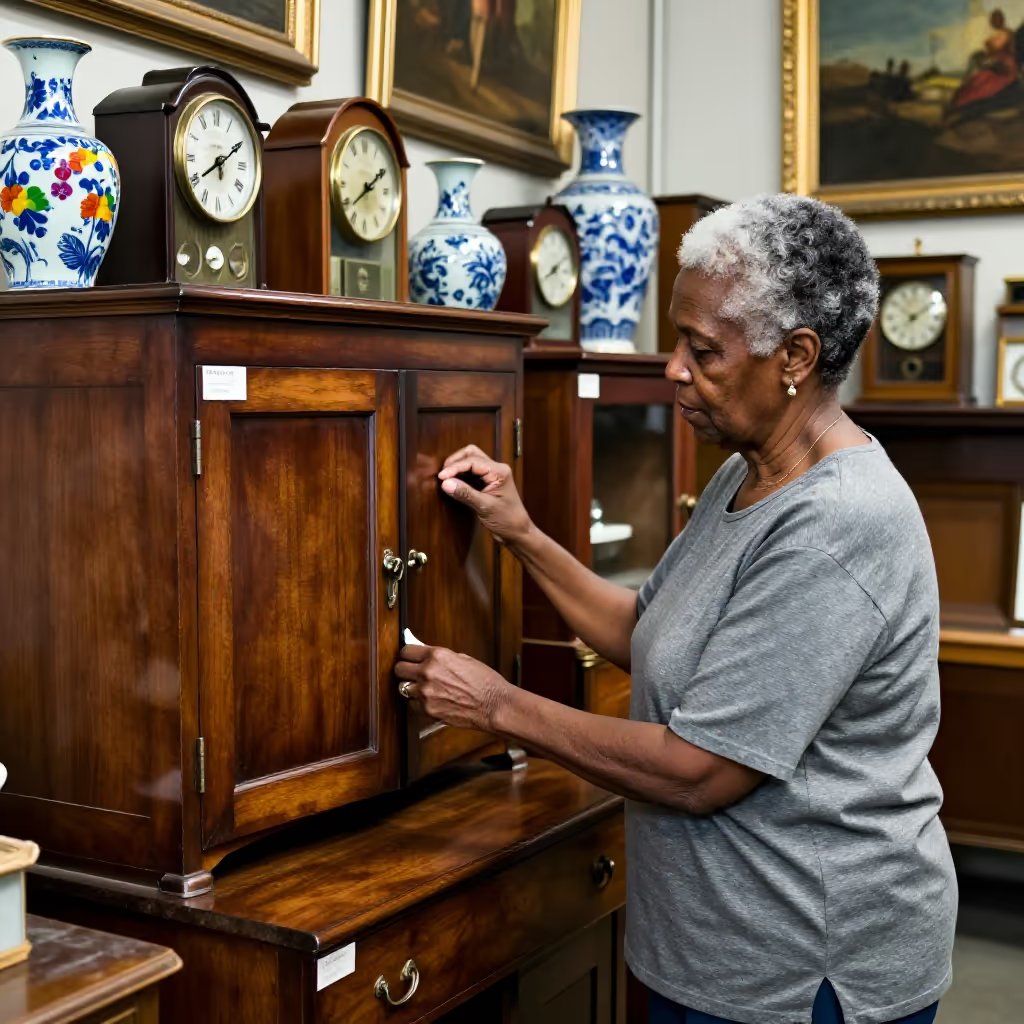
Very old and often valuable, usually more than 100 years old. Often refers to furniture, jewelry, or works of art.
Sie hat auf dem Flohmarkt einen antiken Schrank entdeckt.
She discovered an antique cabinet at the flea market.

old-fashioned
Used figuratively for views or behaviors that are very old-fashioned and no longer up to date.
Seine Vorstellungen von der Rollenverteilung sind wirklich antik.
His ideas about gender roles are really old-fashioned.
The meaning of 'antik' (ancient/antique) depends heavily on the noun. In connection with history ('Rom' (Rome), 'Griechenland' (Greece)), it means 'from antiquity'. With objects ('Möbel' (furniture), 'Schmuck' (jewelry)), it means 'old and valuable'. With opinions ('Ansichten' (views)), it means 'old-fashioned'.
Er sammelt antike Münzen aus dem Römischen Reich.
He collects ancient coins from the Roman Empire.
In historical contexts, 'antik' (ancient) is often used in fixed phrases such as 'das antike Griechenland' (ancient Greece), 'das antike Rom' (ancient Rome), or 'antike Philosophen' (ancient philosophers).
Die Ideen vieler antiker Philosophen sind heute noch relevant.
The ideas of many ancient philosophers are still relevant today.
When talking about old objects, typical combinations are 'antike Möbel' (antique furniture), 'antiker Schmuck' (antique jewelry), or 'eine antike Uhr' (an antique clock/watch).
Auf dem Dachboden fanden wir eine alte Truhe mit antikem Schmuck.
In the attic, we found an old chest with antique jewelry.
In the figurative meaning 'old-fashioned', 'antik' (old-fashioned) has an informal and usually critical or derogatory tone.
Seine Methoden zur Mitarbeiterführung sind einfach nur antik.
His methods for managing employees are simply old-fashioned.
historical
Both words can be used for old objects. Antik mainly emphasizes a very old age and often special value, while historisch emphasizes a connection to history or historical significance. Use antik for the age and historisch for the historical significance.

Der alte Schreibtisch ist antik und steht seit vielen Jahren im Museum.
The old desk is antique and has been on display in the museum for many years.
Der alte Schreibtisch ist historisch bedeutsam, weil hier wichtige Verhandlungen stattfanden.
The old desk is historically significant because important negotiations took place here.