


auffressen
to eat up
To eat all of something. Informally, this can also be said of people, often with a reproachful or derogatory tone.
EXAMPLE
Der Hund hat das ganze Futter aufgefressen.
The dog ate up all the food.
to eat up / devour
auffressen – fraß auf – hat aufgefressen
Loading your saved state.
to eat up
To eat all of something. Informally, this can also be said of people, often with a reproachful or derogatory tone.
Der Hund hat das ganze Futter aufgefressen.
The dog ate up all the food.

to eat up
To use up all or a large part of available money, time, or other resources.
Die Reparatur hat unsere gesamten Ersparnisse aufgefressen.
The repair ate up all our savings.
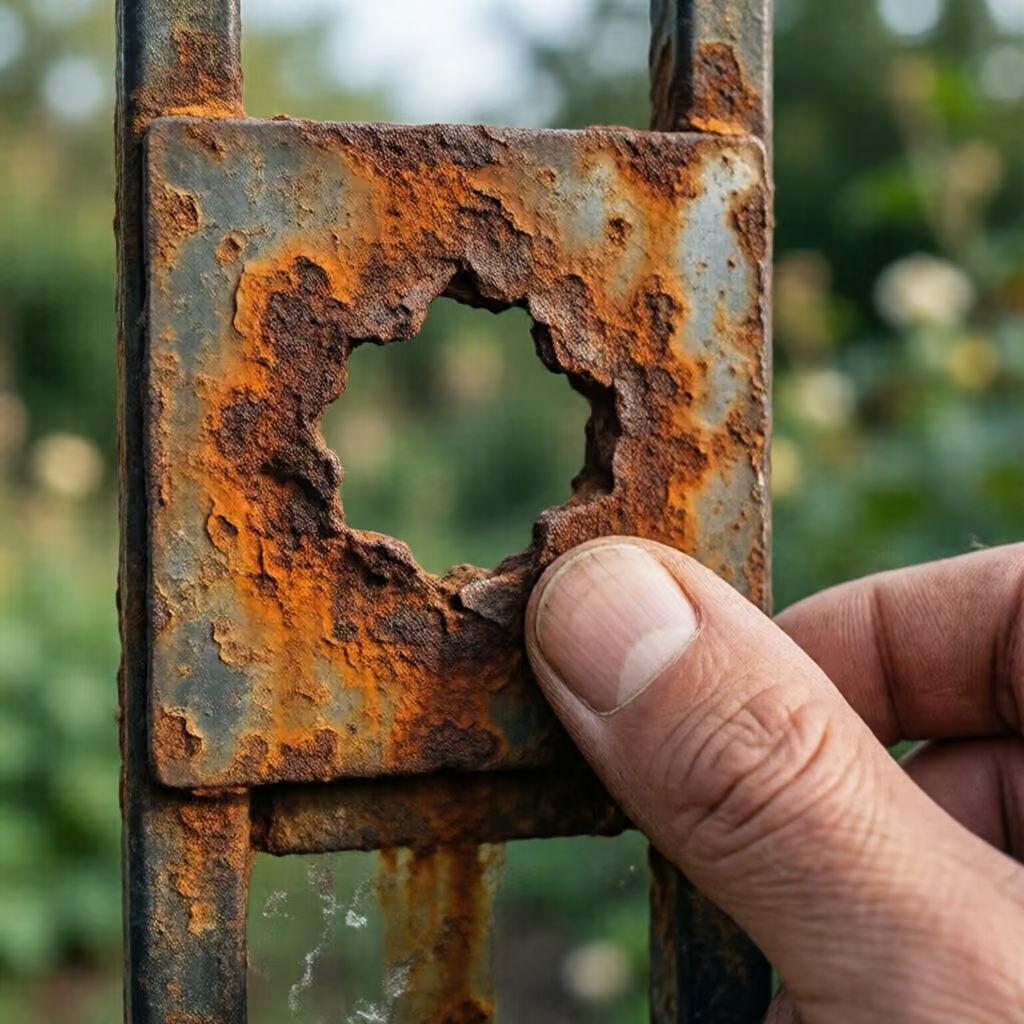
to eat away at
To gradually attack and destroy something, especially through chemical action.
Der Rost hat das dünne Blech fast vollständig aufgefressen.
The rust had almost completely eaten away at the thin sheet metal.

to be eaten up by something
To be completely dominated and tormented internally by a strong feeling or troubling thought.
Seit der Trennung wird er von Eifersucht aufgefressen.
He has been eaten up by jealousy ever since the breakup.

to eat someone up with love
Informally: to want to show someone especially strong love or affection. This often expresses that someone is exceptionally lovable.
Das Baby ist so süß, dass ich es vor Liebe auffressen könnte.
The baby is so cute that I could eat it up.

not to eat someone up
Informally: not to treat someone harshly or aggressively. This expression is usually used to ease someone's fear of a meeting or conversation.
Frag die Chefin ruhig nach einem Termin, sie wird dich schon nicht gleich auffressen.
Just ask the boss for an appointment; she isn't going to eat you up.
| ich | fresse auf |
|---|---|
| du | frisst auf |
| er/sie/es | frisst auf |
| wir | fressen auf |
| ihr | fresst auf |
| sie | fressen auf |
| ich | fraß auf |
|---|---|
| du | fraßest auf fraßt auf |
| er/sie/es | fraß auf |
| wir | fraßen auf |
| ihr | fraßt auf |
| sie | fraßen auf |
| ich | habe aufgefressen |
|---|---|
| du | hast aufgefressen |
| er/sie/es | hat aufgefressen |
| wir | haben aufgefressen |
| ihr | habt aufgefressen |
| sie | haben aufgefressen |
| du | friss auf! |
|---|---|
| ihr | fresst auf! |
| Sie | fressen Sie auf! |
| ich | hatte aufgefressen |
|---|---|
| du | hattest aufgefressen |
| er/sie/es | hatte aufgefressen |
| wir | hatten aufgefressen |
| ihr | hattet aufgefressen |
| sie | hatten aufgefressen |
| ich | werde auffressen |
|---|---|
| du | wirst auffressen |
| er/sie/es | wird auffressen |
| wir | werden auffressen |
| ihr | werdet auffressen |
| sie | werden auffressen |
| ich | fresse auf |
|---|---|
| du | fressest auf |
| er/sie/es | fresse auf |
| wir | fressen auf |
| ihr | fresset auf |
| sie | fressen auf |
Used for reported speech.
| ich | fräße auf |
|---|---|
| du | fräßest auf |
| er/sie/es | fräße auf |
| wir | fräßen auf |
| ihr | fräßet auf |
| sie | fräßen auf |
Used for wishes and “would”.
| infinitive | auffressen |
|---|---|
| with zu | aufzufressen |
| present participle | auffressend |
| past participle | aufgefressen |
'Auffressen' (to eat up) is a separable verb: In a main clause, 'auf' (up) appears at the end of the sentence; in a subordinate clause, the verb remains together. In the infinitive with 'zu' (to), 'zu' comes between the prefix and the stem.
Die Ziege frisst den ganzen Salat auf.
The goat eats up all the lettuce.
Er ärgert sich, weil die Ziege den ganzen Salat auffrisst.
He is annoyed because the goat is eating up all the lettuce.
Die Ziege versucht, auch noch die Blumen aufzufressen.
The goat is trying to eat up the flowers too.
'Auffressen' (to eat up) consists of 'auf' (up) and 'fressen' (to eat). Here, the prefix reinforces the idea of using up or destroying something completely.
Die Kinder haben den Kuchen bis auf den letzten Krümel aufgefressen.
The children ate up the cake down to the last crumb.
'Auffressen' (to eat up) usually sounds informal and vivid. When it is used for people, it can sound harsh, reproachful, or humorous depending on the situation.
Du kannst doch nicht jeden Abend eine ganze Pizza auffressen.
You can't eat up a whole pizza every evening.
In the meaning related to eating, 'auffressen' (to eat up) often appears with expressions such as 'alles' (everything), 'das ganze Futter' (all the food), or 'bis auf den letzten Krümel' (down to the last crumb). The verb emphasizes that nothing is left over.
Die Schnecken haben über Nacht alles aufgefressen, was im Beet wuchs.
The snails ate up everything that was growing in the garden bed overnight.
When money, time, or other resources are the object, 'auffressen' (to eat up) often appears with quantity expressions such as 'fast alles' (almost everything), 'die Hälfte' (half), or 'unsere gesamten Ersparnisse' (all our savings). The subject is often an expense, a problem, or a lengthy process.
Die hohen Energiekosten fressen inzwischen einen großen Teil unseres Budgets auf.
The high energy costs are now eating up a large part of our budget.
In this meaning, substances or processes are often the subject of 'auffressen' (to eat away at), especially rust and acid. The material being attacked appears as the accusative object.
Die Säure hat das Metall innerhalb weniger Stunden aufgefressen.
The acid ate away at the metal within a few hours.
With strong feelings or troubling thoughts, the affected person is often used as the subject of the passive construction. The feeling or thought follows 'von' (by) in the dative case.
Sie wird von Schuldgefühlen aufgefressen und findet kaum noch Ruhe.
She is being eaten up by guilt and can hardly find any peace.
'Jemanden vor Liebe auffressen' (to eat someone up with love) is an exaggerated, affectionate expression. It is often used for small children, animals, or especially cute people and is not meant literally.
Die Oma drückte ihren Enkel an sich und sagte: „Ich könnte dich vor Liebe auffressen!“
Grandma hugged her grandson and said, 'I could eat you up!'
In 'jemanden nicht gleich auffressen' (not to eat someone up), 'gleich' (right away) refers to an immediate, feared reaction. The expression is meant to reassure someone who is afraid of a conversation or request.
Hab keine Angst vor dem Prüfer, er frisst dich schon nicht gleich auf.
Don't be afraid of the examiner; he isn't going to eat you up.