

auftun
to open
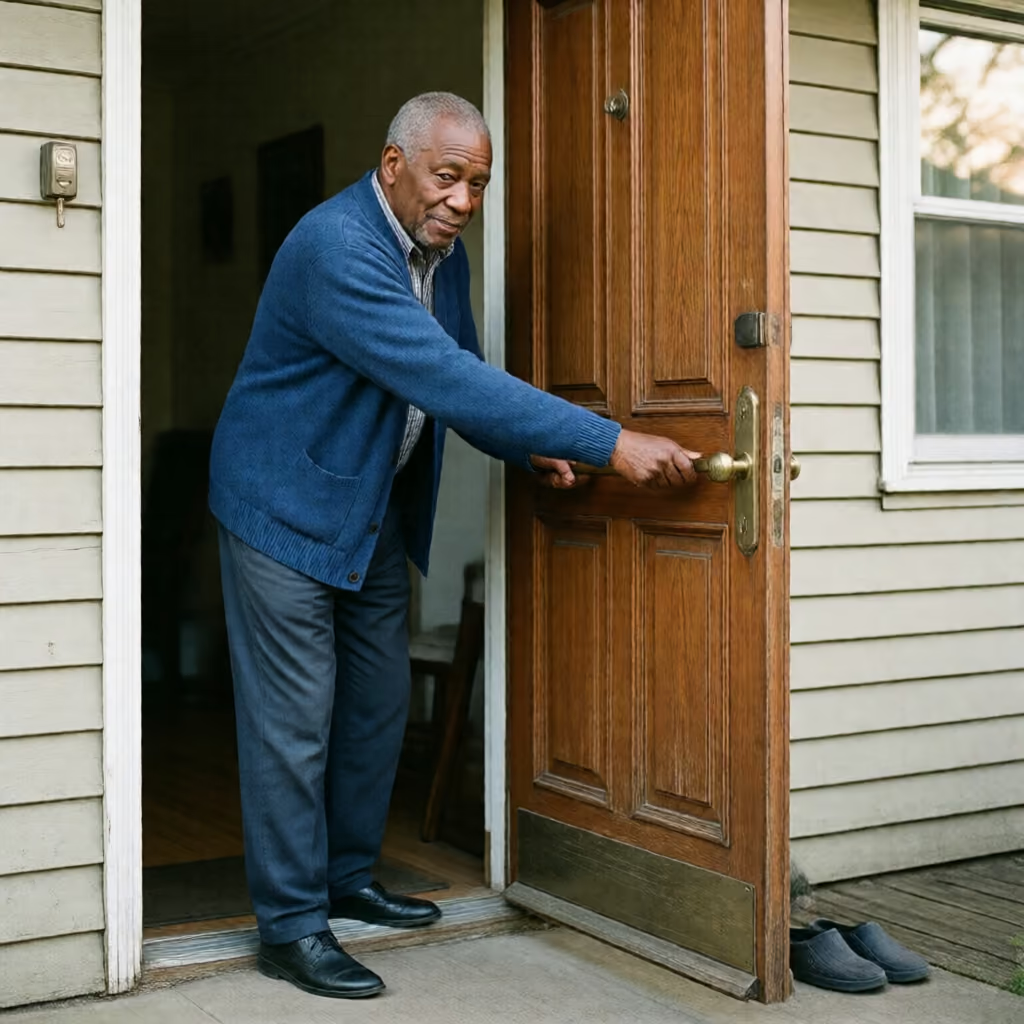
To open something. This usage is more regional; „öffnen“ (to open) and „aufmachen“ (to open) are more common.
EXAMPLE
Tu bitte die Tür auf, es hat geklingelt.
Please open the door; someone rang the doorbell.
to open / to find
auftun – tat auf – hat aufgetan
Loading your saved state.
to open
To open something. This usage is more regional; „öffnen“ (to open) and „aufmachen“ (to open) are more common.
Tu bitte die Tür auf, es hat geklingelt.
Please open the door; someone rang the doorbell.

to arise
To appear or come into being, especially as a new opportunity, difficulty, or insight.
Durch die Zusammenarbeit tun sich für uns neue Möglichkeiten auf.
Through the collaboration, new opportunities are opening up for us.
to find / obtain
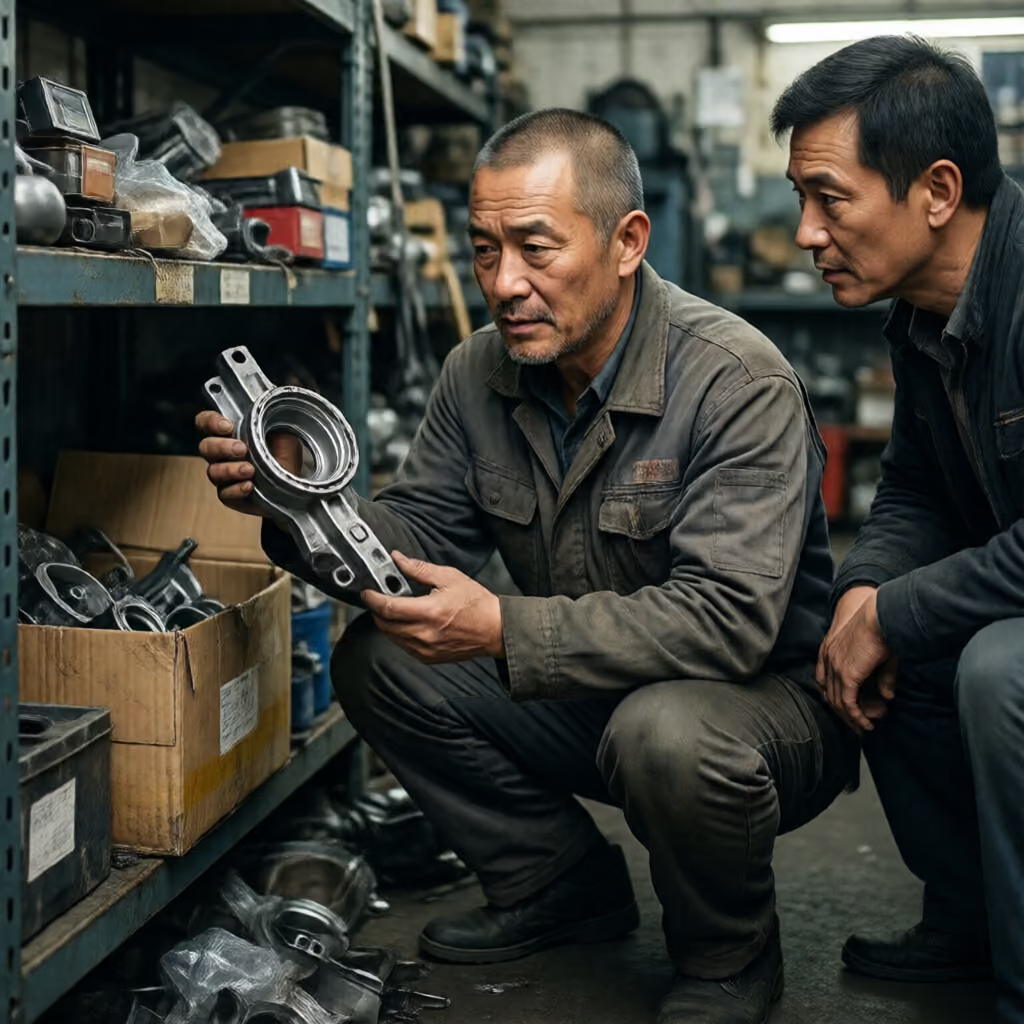
Colloquial: to find or obtain someone or something after searching.
Wo hast du denn dieses seltene Ersatzteil aufgetan?
Where did you manage to find this rare replacement part?

to open up
To open up, creating or revealing an opening or a clear space.
Bei dem Erdbeben tat sich ein breiter Spalt im Boden auf.
A wide crack opened up in the ground during the earthquake.
to serve
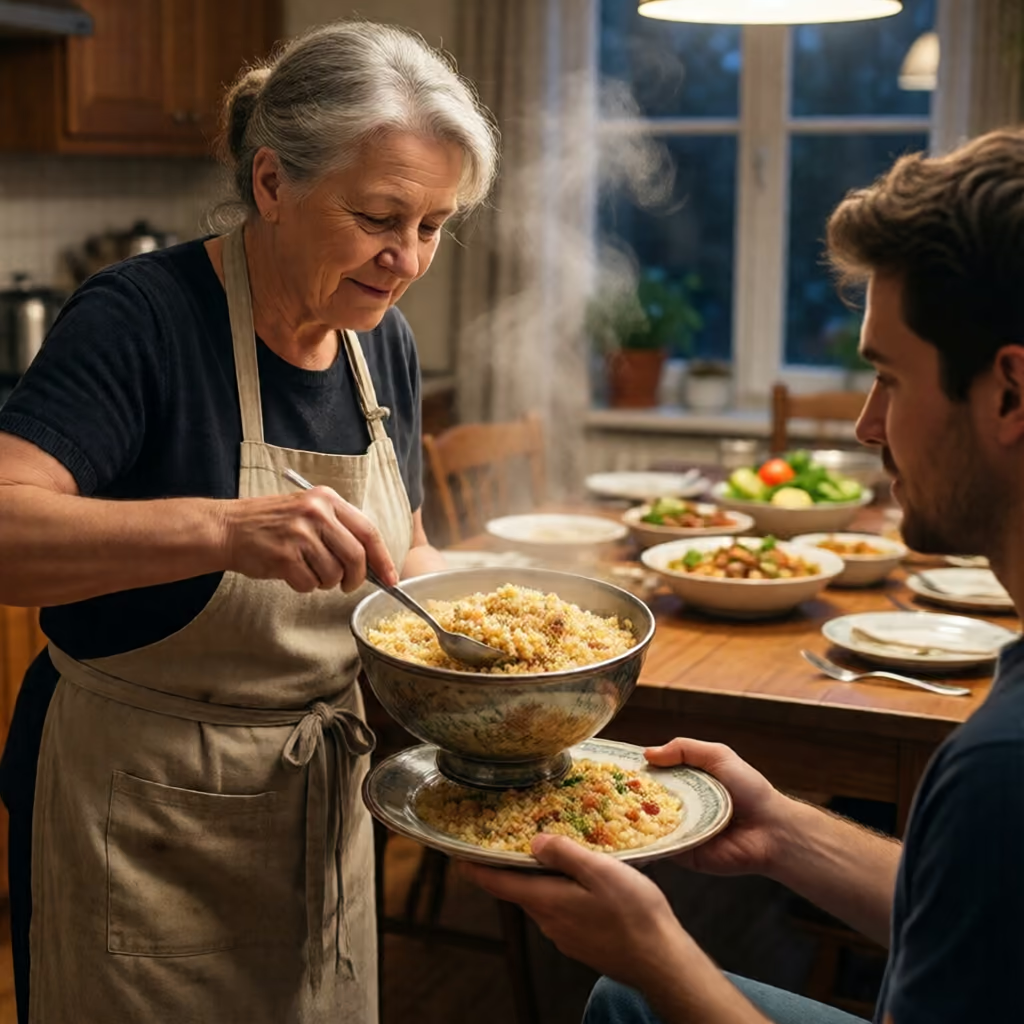
Regional: to put food on a plate in order to serve it to someone.
Soll ich dir noch etwas Reis auftun?
Shall I serve you some more rice?
| ich | tue auf |
|---|---|
| du | tust auf |
| er/sie/es | tut auf |
| wir | tun auf |
| ihr | tut auf |
| sie | tun auf |
| ich | tat auf |
|---|---|
| du | tatest auf tatst auf |
| er/sie/es | tat auf |
| wir | taten auf |
| ihr | tatet auf |
| sie | taten auf |
| ich | habe aufgetan |
|---|---|
| du | hast aufgetan |
| er/sie/es | hat aufgetan |
| wir | haben aufgetan |
| ihr | habt aufgetan |
| sie | haben aufgetan |
| du | tu auf! tue auf! |
|---|---|
| ihr | tut auf! |
| Sie | tun Sie auf! |
| ich | hatte aufgetan |
|---|---|
| du | hattest aufgetan |
| er/sie/es | hatte aufgetan |
| wir | hatten aufgetan |
| ihr | hattet aufgetan |
| sie | hatten aufgetan |
| ich | werde auftun |
|---|---|
| du | wirst auftun |
| er/sie/es | wird auftun |
| wir | werden auftun |
| ihr | werdet auftun |
| sie | werden auftun |
| ich | tue auf |
|---|---|
| du | tuest auf |
| er/sie/es | tue auf |
| wir | tuen auf |
| ihr | tuet auf |
| sie | tuen auf |
Used for reported speech.
| ich | täte auf |
|---|---|
| du | tätest auf |
| er/sie/es | täte auf |
| wir | täten auf |
| ihr | tätet auf |
| sie | täten auf |
Used for wishes and “would”.
| infinitive | auftun |
|---|---|
| with zu | aufzutun |
| present participle | auftuend |
| past participle | aufgetan |
„Auftun“ consists of „auf“ (up/open) and „tun“ (to do) and is separable. In a main clause, „auf“ is separated and placed at the end; in a subordinate clause, it remains attached to the verb. With the infinitive „zu“, „zu“ goes in between: „aufzutun“ (to open).
Er tut das Fenster auf.
He opens the window.
Ich warte, bis er das Fenster auftut.
I’ll wait until he opens the window.
Sie bat ihn, das Fenster aufzutun.
She asked him to open the window.
The expression „den Mund auftun“ (to open one's mouth) can refer to speaking. Especially in a negative sentence, it often critically describes someone staying silent or not taking part in the conversation.
Während der ganzen Besprechung hat er kein einziges Mal den Mund aufgetan.
He didn't open his mouth once during the entire meeting.
Typical expressions include „Möglichkeiten tun sich auf“ (opportunities open up), „Chancen tun sich auf“ (chances open up), and „Probleme tun sich auf“ (problems arise). The opportunity or difficulty is the subject; you can add who it affects with „für“ plus the accusative.
Nach dem Abschluss tun sich für die jungen Leute neue Chancen auf.
After graduating, new opportunities open up for young people.
In questions and requests, „auftun“ is often used with „noch irgendwo“ (somewhere) or „auf die Schnelle“ (at short notice). These expressions are particularly suitable when something is needed quickly or despite limited availability.
Kannst du für heute Abend noch irgendwo zwei Eintrittskarten auftun?
Can you find two tickets somewhere for this evening?
With „sich auftun“ (to open up), spatial expressions such as „im Boden“ (in the ground), „in der Wand“ (in the wall), or „vor jemandem“ (before someone) are common. They show where the opening appears or becomes visible; in these expressions, the dative is used.
Plötzlich tat sich in der Wand ein großer Riss auf.
Suddenly, a large crack opened up in the wall.
When serving food, the person takes the dative and the food takes the accusative. The amount is often specified with „etwas“ (some), „noch etwas“ (some more), or „eine Portion“ (a portion).
Die Großmutter tat dem Kind eine kleine Portion Kartoffeln auf.
The grandmother served the child a small portion of potatoes.