

ausstechen
to cut out
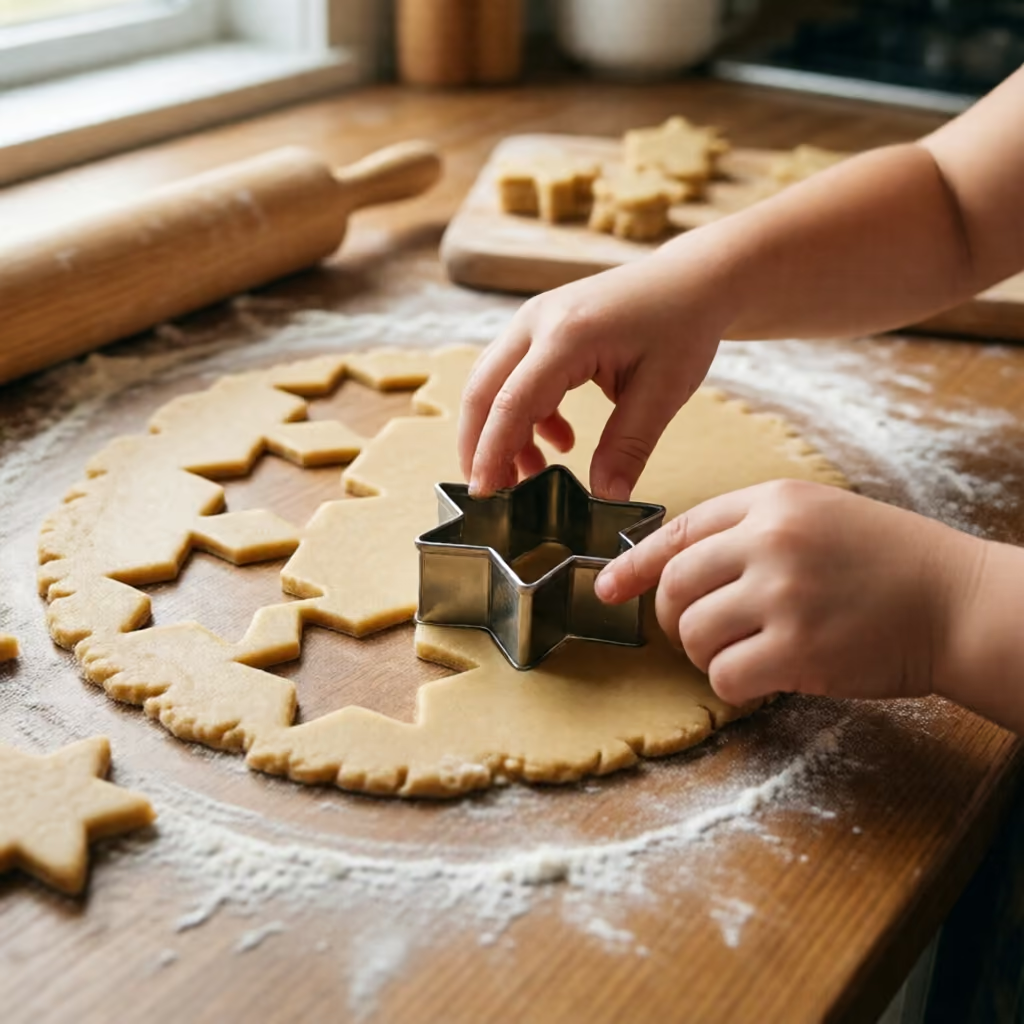
To remove something from a larger piece using a sharp tool or a shape cutter.
EXAMPLE
Für die Plätzchen sticht sie Sterne aus dem Teig aus.
She cuts stars out of the dough for the Christmas cookies.
to cut out / outdo
ausstechen – stach aus – hat ausgestochen
Loading your saved state.
to cut out
To remove something from a larger piece using a sharp tool or a shape cutter.
Für die Plätzchen sticht sie Sterne aus dem Teig aus.
She cuts stars out of the dough for the Christmas cookies.

to outdo someone
To surpass someone through better performance or a more skillful approach and thereby win their place or advantage.
Mit ihrer überzeugenden Präsentation stach sie ihre Mitbewerber aus.
With her convincing presentation, she outdid her competitors.
to dig out
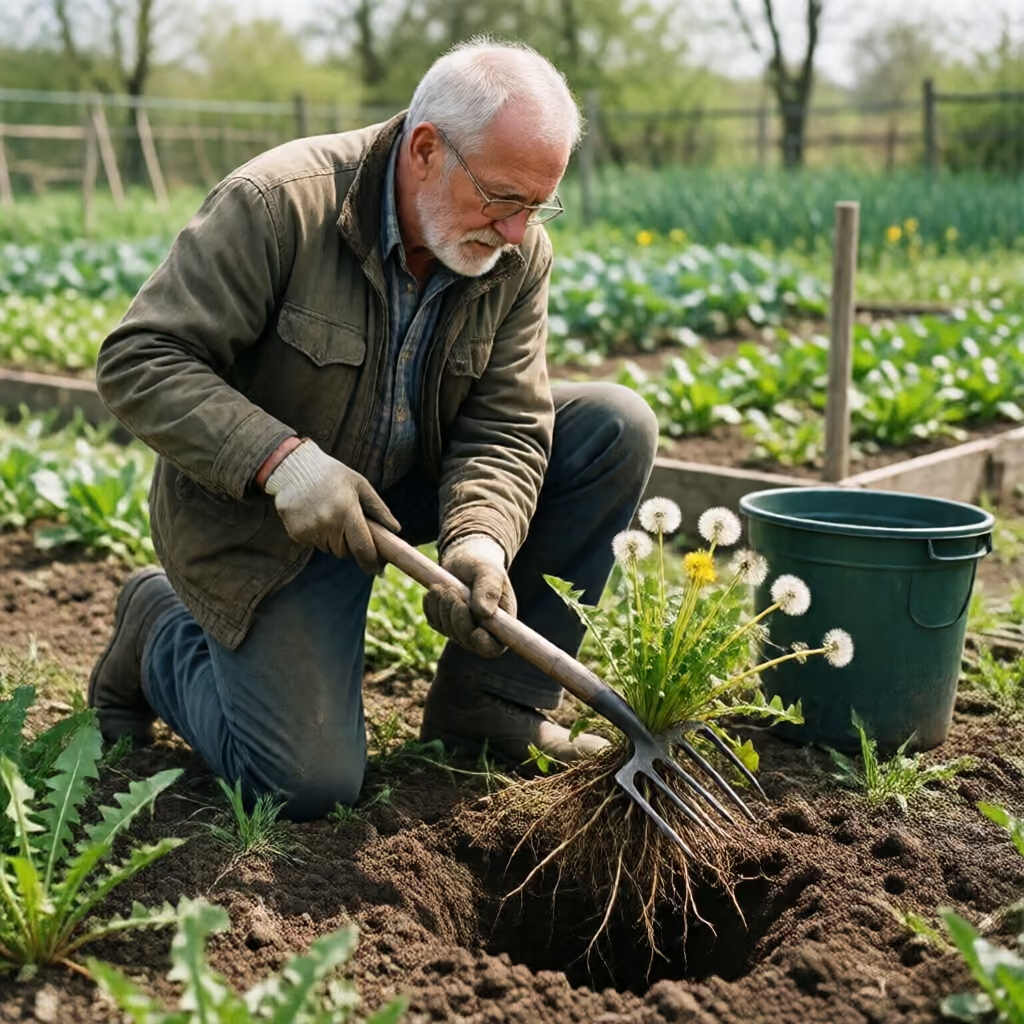
To remove a weed or another plant from the ground using a tool, usually together with its roots.
Im Frühjahr sticht der Gärtner das Unkraut aus.
In spring, the gardener digs out the weeds.
| ich | steche aus |
|---|---|
| du | stichst aus |
| er/sie/es | sticht aus |
| wir | stechen aus |
| ihr | stecht aus |
| sie | stechen aus |
| ich | stach aus |
|---|---|
| du | stachst aus |
| er/sie/es | stach aus |
| wir | stachen aus |
| ihr | stacht aus |
| sie | stachen aus |
| ich | habe ausgestochen |
|---|---|
| du | hast ausgestochen |
| er/sie/es | hat ausgestochen |
| wir | haben ausgestochen |
| ihr | habt ausgestochen |
| sie | haben ausgestochen |
| du | stich aus! |
|---|---|
| ihr | stecht aus! |
| Sie | stechen Sie aus! |
| ich | hatte ausgestochen |
|---|---|
| du | hattest ausgestochen |
| er/sie/es | hatte ausgestochen |
| wir | hatten ausgestochen |
| ihr | hattet ausgestochen |
| sie | hatten ausgestochen |
| ich | werde ausstechen |
|---|---|
| du | wirst ausstechen |
| er/sie/es | wird ausstechen |
| wir | werden ausstechen |
| ihr | werdet ausstechen |
| sie | werden ausstechen |
| ich | steche aus |
|---|---|
| du | stechest aus |
| er/sie/es | steche aus |
| wir | stechen aus |
| ihr | stechet aus |
| sie | stechen aus |
Used for reported speech.
| ich | stäche aus |
|---|---|
| du | stächest aus stächst aus |
| er/sie/es | stäche aus |
| wir | stächen aus |
| ihr | stächet aus stächt aus |
| sie | stächen aus |
Used for wishes and “would”.
| infinitive | ausstechen |
|---|---|
| with zu | auszustechen |
| present participle | ausstechend |
| past participle | ausgestochen |
„Ausstechen“ (to cut out) consists of „aus“ (out) and „stechen“ (to prick / stab) and is separable. In a main clause, „aus“ comes at the end of the sentence; in a subordinate clause, the verb stays together. With „zu“, it becomes „auszustechen“ (to cut out).
Sie sticht die Formen vorsichtig aus.
She carefully cuts out the shapes.
Er erklärt, warum er die Sterne aussticht.
He explains why he is cutting out the stars.
Es ist nicht leicht, die kleinen Figuren auszustechen.
It isn't easy to cut out the small figures.
The prefix „aus“ (out) often indicates that something is removed from a material, a group, or a situation. With „ausstechen“ (to cut out / outdo), the basic idea of removing or surpassing something can be recognized in several meanings.
Mit einem scharfen Messer stach sie ein Muster aus dem Papier aus.
With a sharp knife, she cut a pattern out of the paper.
When removing something from a material, the structure „etwas aus etwas ausstechen“ (to cut something out of something) is often used. Typical collocations include cutting shapes, figures, or cookies out of dough, paper, or cardboard.
Die Kinder stechen Herzen aus roter Pappe aus.
The children cut hearts out of red cardboard.
In this meaning, „ausstechen“ (to outdo) usually has a person as its accusative object: One person outdoes another person. It often concerns competition, applications, performances, or a coveted position.
Mit ihrer Erfahrung stach sie die anderen Bewerber aus.
With her experience, she outdid the other applicants.
When talking about plants, „ausstechen“ (to dig out) is often used with „Unkraut“ (weeds) or specific plants as the object. The tool is often implied; what matters is that the plant is removed from the ground.
Nach dem Regen sticht die Gärtnerin das Unkraut leichter aus.
After the rain, the gardener can dig out the weeds more easily.