

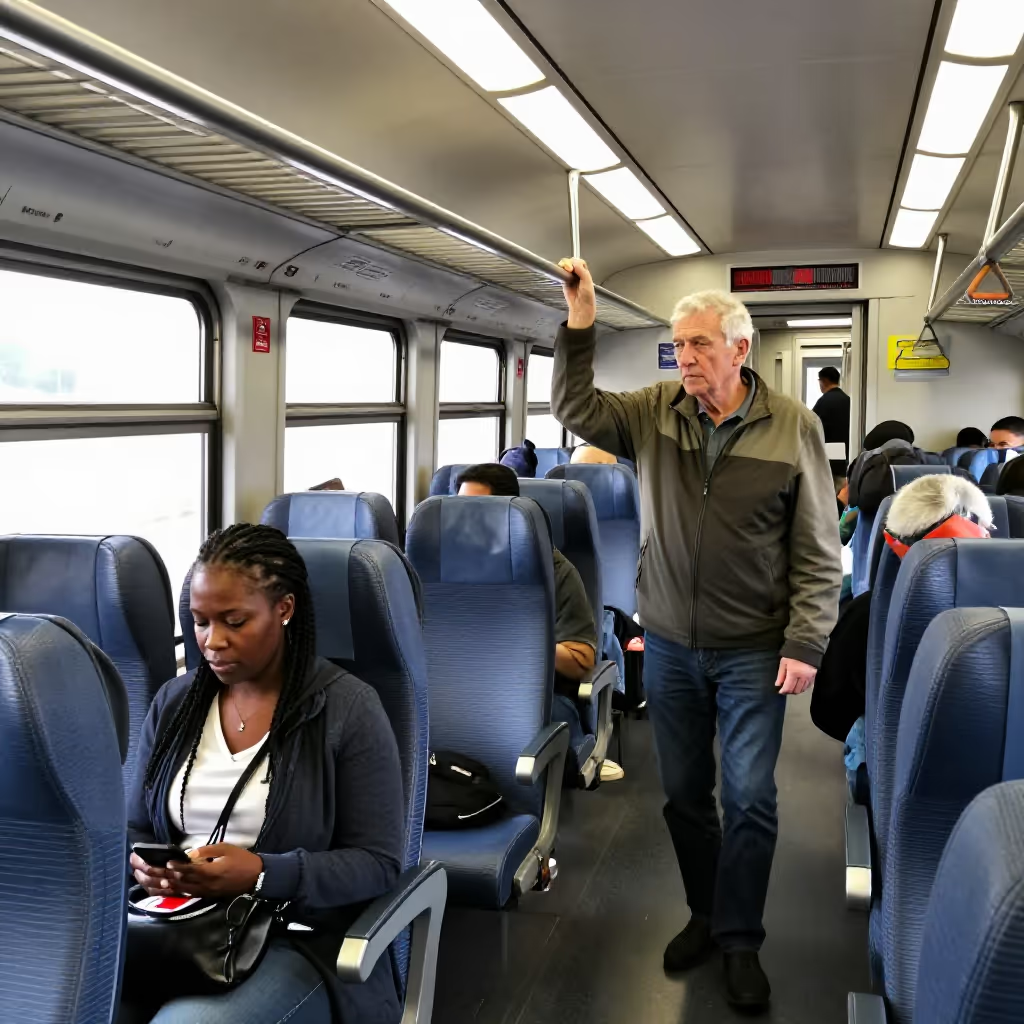
besetzt
occupied / taken
Not free because someone is currently using the seat, room, or line.
EXAMPLE
Ich wollte dich anrufen, aber dein Telefon war ständig besetzt.
I wanted to call you, but your phone was constantly busy.
occupied / taken
Loading your saved state.
occupied / taken
Not free because someone is currently using the seat, room, or line.
Ich wollte dich anrufen, aber dein Telefon war ständig besetzt.
I wanted to call you, but your phone was constantly busy.

filled / cast
When a role in a film or play, or a job position, has been assigned to a person.
Die Stelle des Abteilungsleiters ist bereits mit einem internen Kandidaten besetzt.
The department head position has already been filled with an internal candidate.
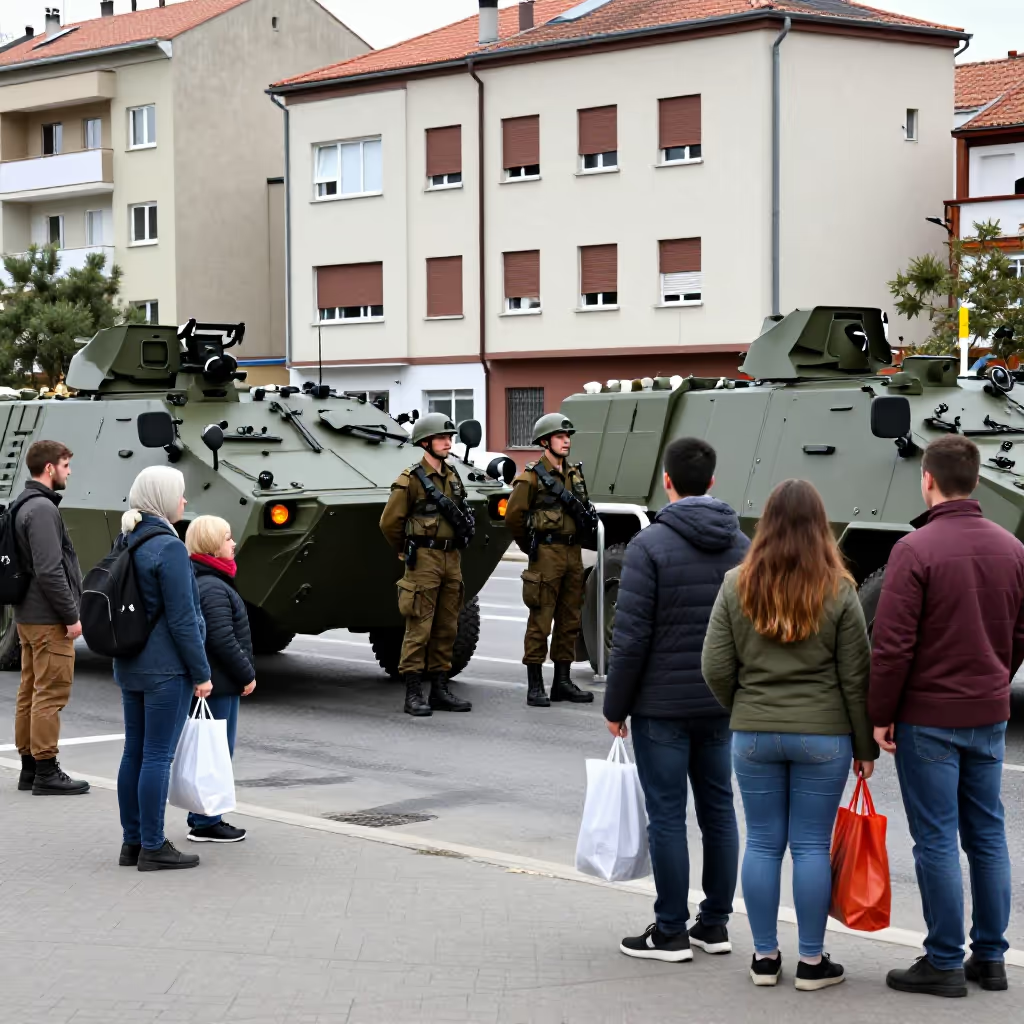
occupied
Taken over and controlled militarily by foreign troops.
Das Gebiet war nach dem Krieg für mehrere Jahre von alliierten Truppen besetzt.
The area was occupied by Allied troops for several years after the war.
'Besetzt' (occupied/taken) is the past participle of the verb 'besetzen' (to occupy/fill). The different meanings—a seat is occupied, a position is filled—come from the meanings of this verb.
Der Konferenzraum ist den ganzen Vormittag besetzt.
The conference room is occupied all morning.
The noun that 'besetzt' (occupied/taken) describes reveals the exact meaning. A 'besetzter Platz' (occupied seat) is not free, a 'besetzte Stelle' (filled position) has been assigned, and a 'besetztes Land' (occupied country) is under military control.
Ist dieser Platz hier noch frei oder schon besetzt?
Is this seat here still free or already taken?
In everyday life, you will hear or read 'besetzt' (occupied/busy) very often in connection with telephone lines or toilets when they are currently unavailable.
Immer wenn ich anrufe, ist die Leitung besetzt.
Every time I call, the line is busy.
When a role or job position has been filled, the preposition 'mit' (with) is often used to name the person or type of person.
Die Position wurde mit einer erfahrenen Managerin besetzt.
The position was filled with an experienced manager.
full
For a train with no empty seats, both voll and besetzt can fit. Voll describes the overall level of occupancy or the crowd, while besetzt specifically says that seats are not available. Use voll for the general state and besetzt when the occupied seats are the focus.
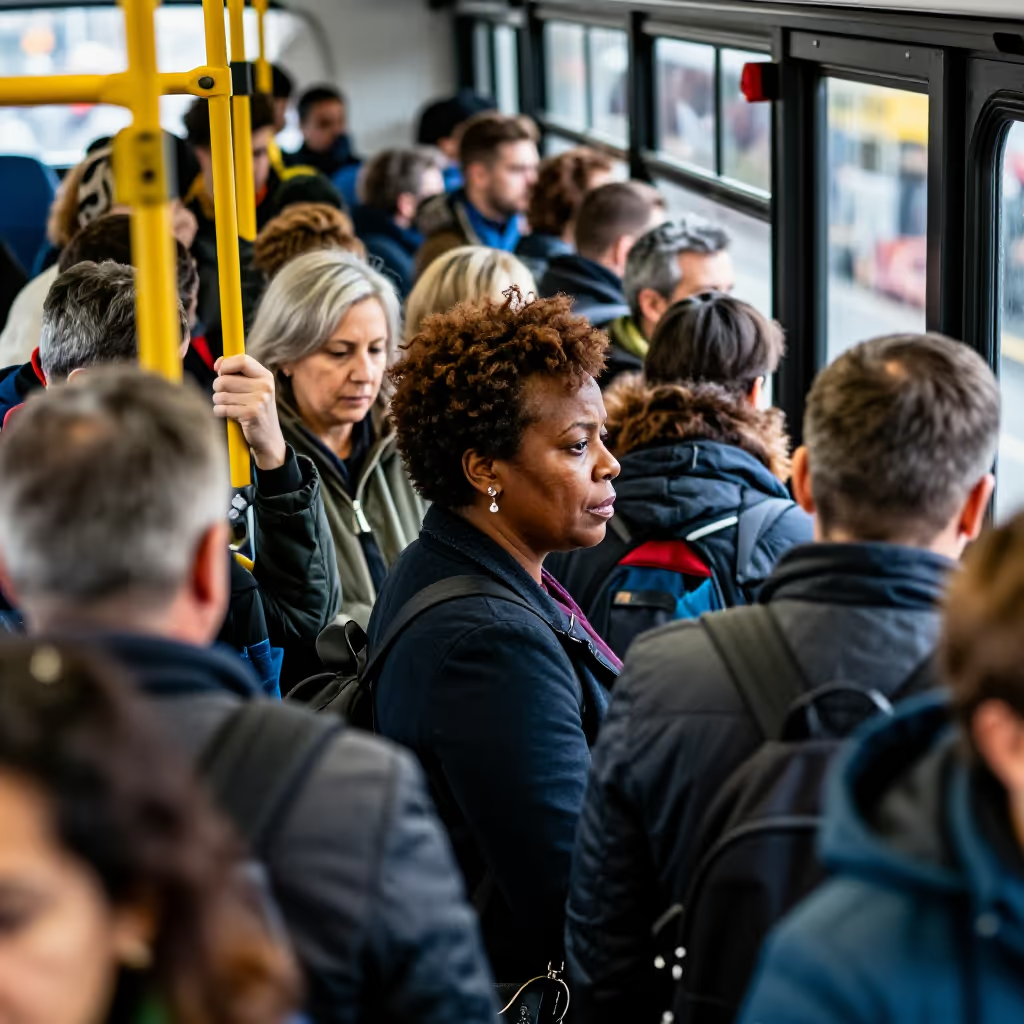
Im Zug sind alle Sitzplätze besetzt, aber im Gang ist noch etwas Platz.
All the seats on the train are taken, but there is still some room in the aisle.
Der Zug ist heute so voll, dass viele Menschen stehen müssen.
The train is so crowded today that many people have to stand.