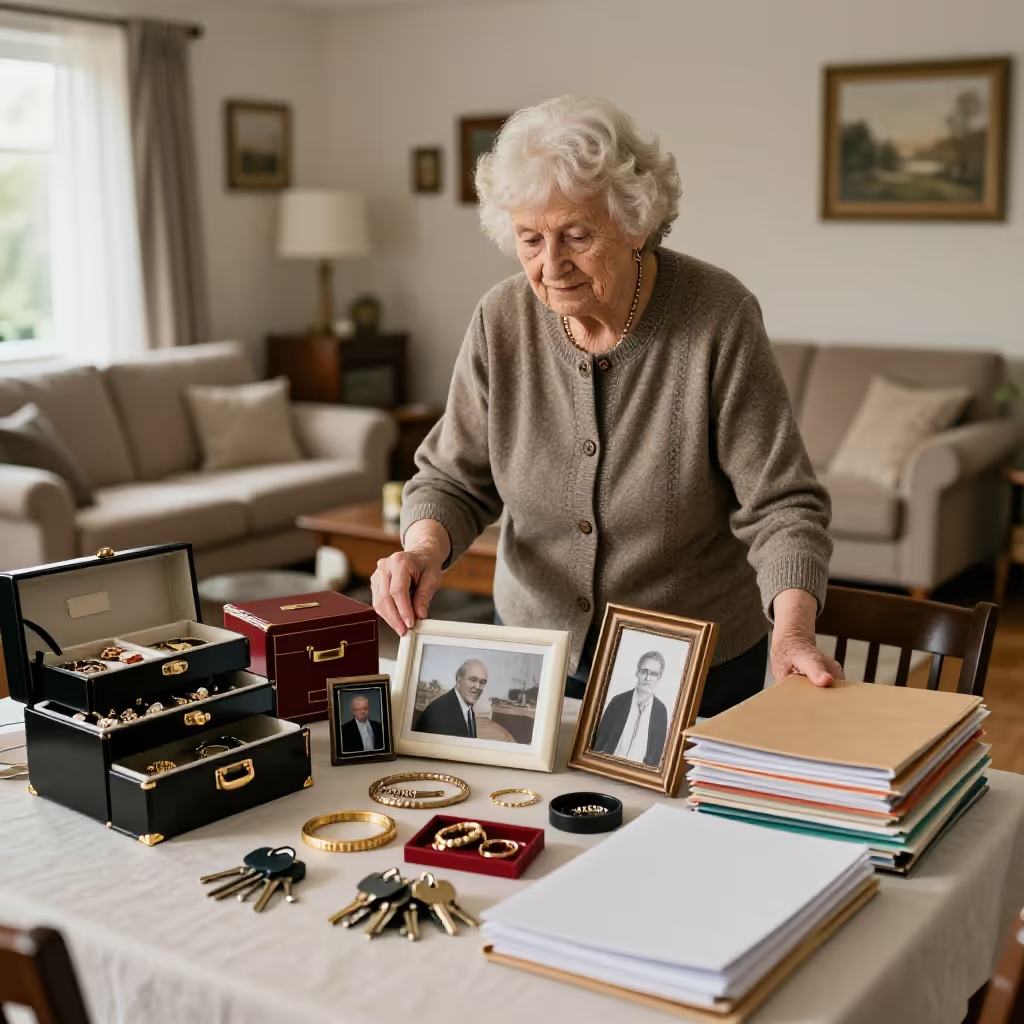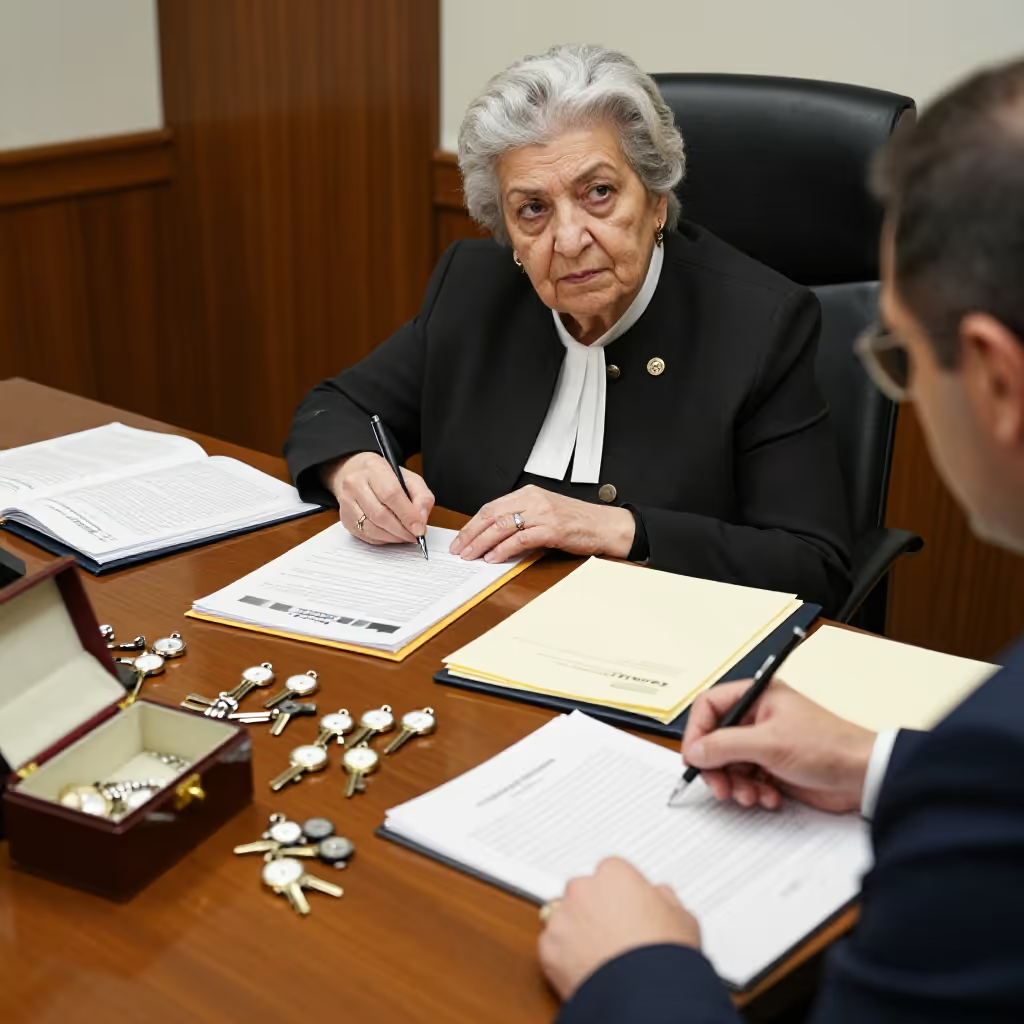
The totality of things that belong to a person or an organization; personal possessions or property. The term is often used in a formal or legal context.
example
Bei dem Brand verlor die Familie ihr gesamtes Besitztum.
In the fire, the family lost all their possessions.
Usage tips
Word structure
The word is derived from the verb 'besitzen' (to own/possess). The ending '-tum' forms a neuter noun that often describes a totality or a state. 'Das Besitztum' is therefore the totality of what one owns.
EXAMPLE
Er hat sein gesamtes Besitztum für einen guten Zweck gespendet.
He donated all his possessions to a good cause.
Singular vs. plural
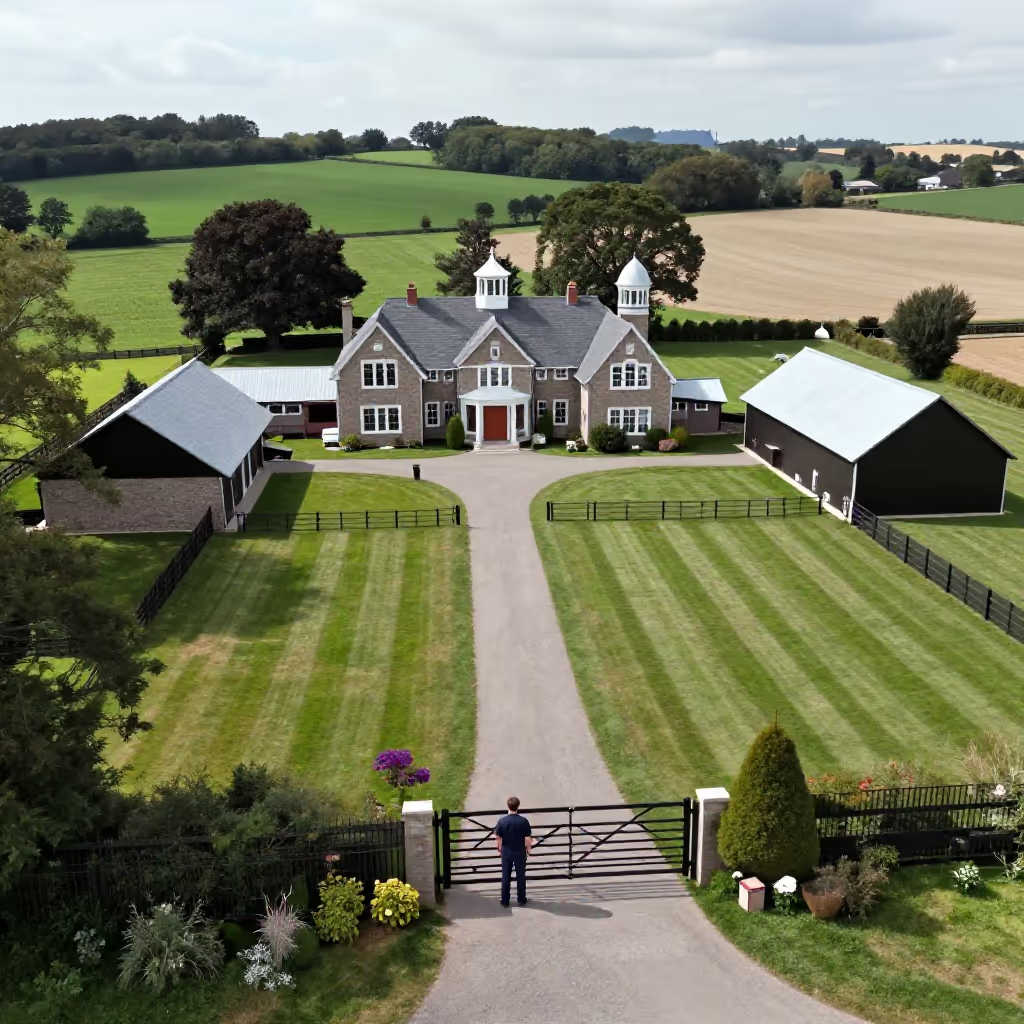
In the singular ('das Besitztum'), the word often refers to all of a person's possessions. In the plural ('die Besitztümer'), it usually means several individual, often valuable assets such as plots of land or buildings.
EXAMPLE
Die Versicherung deckt Schäden am gesamten Besitztum.
The insurance covers damage to all property.
Register
'Besitztum' (property/possessions) is a formal term that often appears in legal, official, or insurance-related texts. In everyday language, the word is rather rare.
EXAMPLE
Im Testament wurde das Besitztum unter den Erben aufgeteilt.
In the will, the property was divided among the heirs.
Compare with
near_synonym · confusable
Besitztum vs Besitz
possession
'der Besitz' and 'das Besitztum' can both mean things that belong to someone. 'Besitz' is the normal, broad word used in everyday language. It can refer to small personal items, money, or assets. 'Besitztum' sounds more formal and is more likely to be used in legal or official texts. In addition, 'Besitztum' can also mean a single plot of land or estate, often in the plural as 'Besitztümer'. The words can be confused because they look very similar and are closely related in meaning. In normal conversations, 'Besitz' is usually more natural; 'Besitztum' fits better in formal texts or when talking about larger plots of land and estates.
Besitztum
Die Familie verkaufte im Sommer mehrere Besitztümer auf dem Land.
The family sold several properties in the countryside during the summer.
Besitz
Bei der Reise nimmt Tom nur wenig Besitz mit, damit der Rucksack leicht bleibt.
Tom takes only a few possessions with him on the trip so that his backpack stays light.