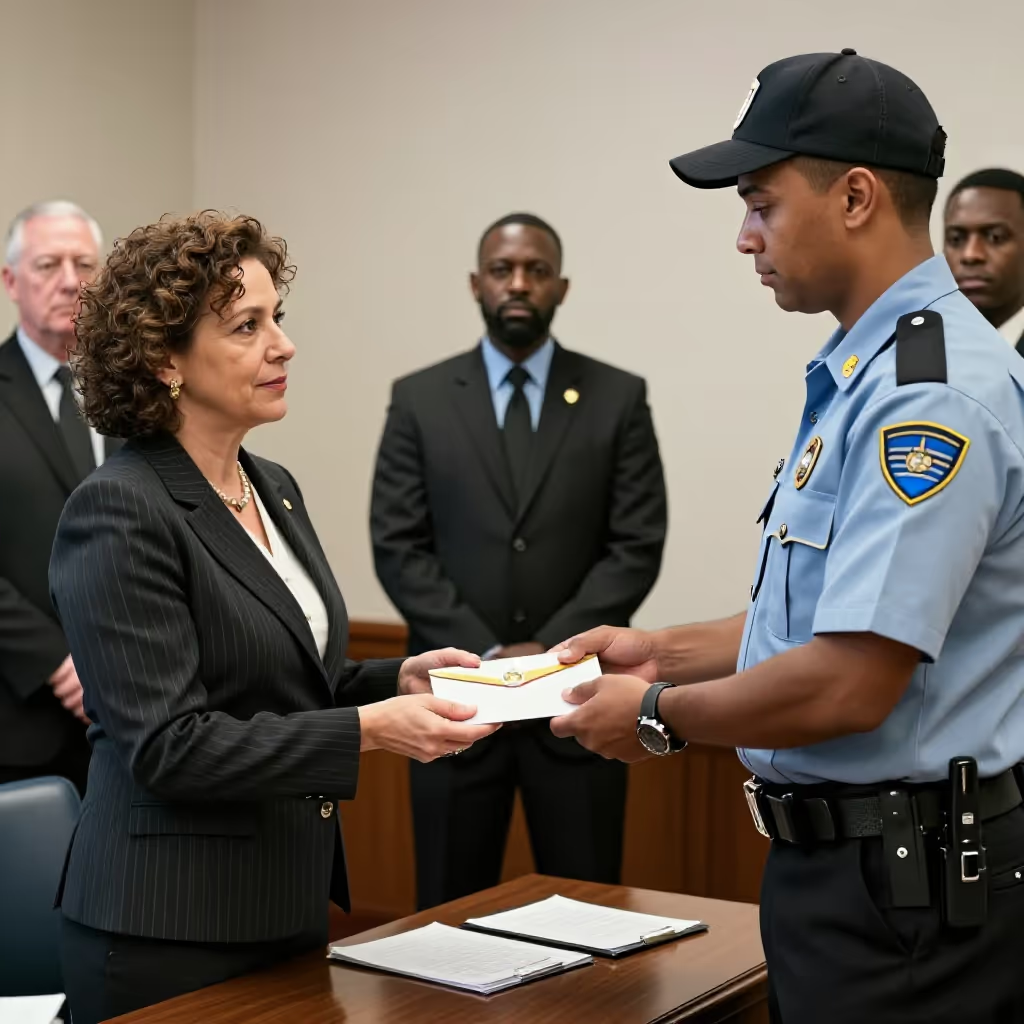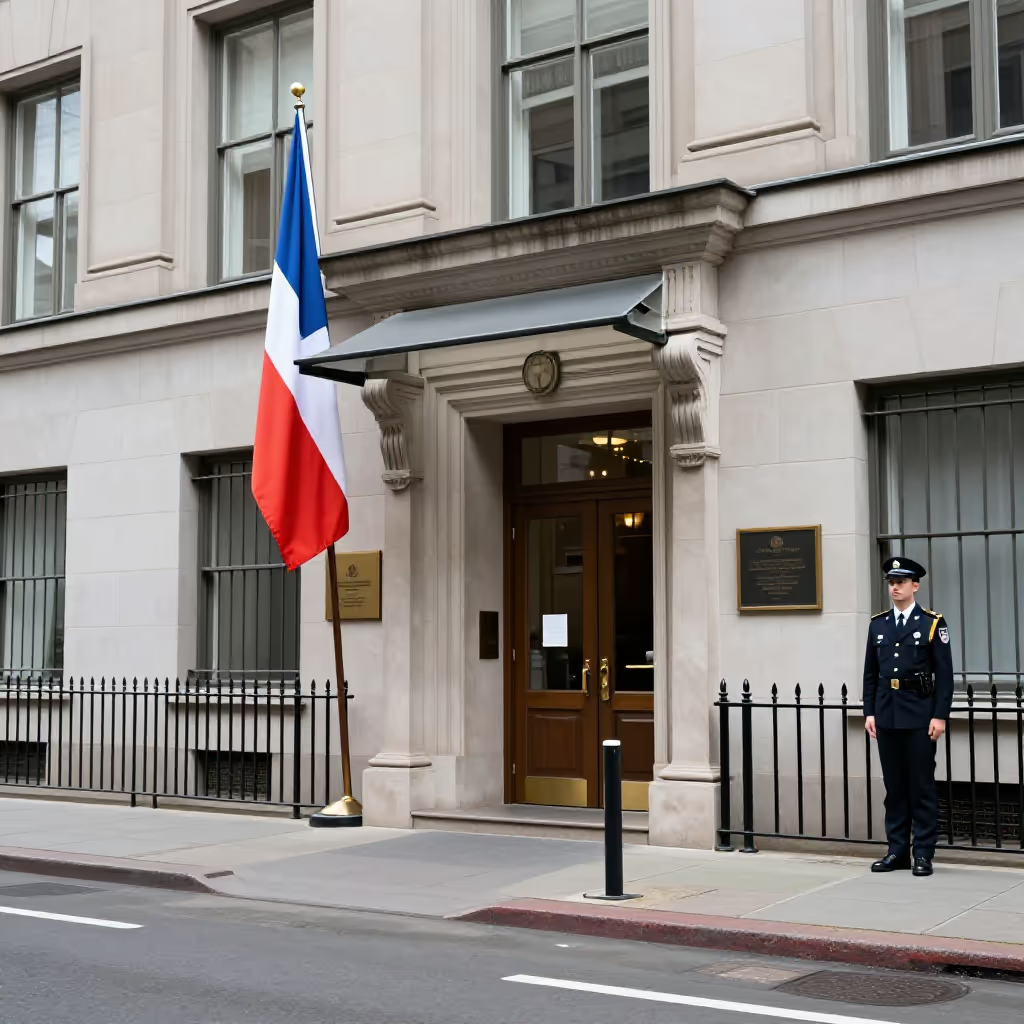
The diplomatic representation of a country abroad; also the building where this representation is based.
example
Für das Visum musste ich persönlich bei der amerikanischen Botschaft in Berlin vorsprechen.
For the visa, I had to appear in person at the American embassy in Berlin.

Usage tips
Word structure
The word 'Botschaft' (embassy/message) is derived from 'Bote' (messenger), meaning a person who delivers a message. The ending '-schaft' turns it into what the messenger delivers, or the place where he works.
EXAMPLE
Ein Kurier überbrachte die geheime Botschaft.
A courier delivered the secret message.
Building, content, or message?
You can recognize the meaning from the context. If it is about a building, diplomacy, or visas, it refers to the diplomatic representation. If it is about the deeper meaning of films or books, it means the main point. If it is about delivered information, it means a message.
EXAMPLE
Er arbeitet in der kanadischen Botschaft.
He works at the Canadian embassy.
Typical prepositions
When the building is meant, the word is often used with prepositions of place. Typical phrases are 'zur Botschaft gehen' (to go to the embassy), 'in der Botschaft arbeiten' (to work at the embassy), or 'einen Termin bei der Botschaft haben' (to have an appointment at the embassy).
EXAMPLE
Wegen meines Passes musste ich zur Botschaft.
Because of my passport, I had to go to the embassy.
The central statement
In the figurative meaning, 'Botschaft' (message) is often used to describe the main point of creative works. Common combinations are 'die Botschaft eines Films' (the message of a film), 'die politische Botschaft' (the political message), or 'eine versteckte Botschaft' (a hidden message).
EXAMPLE
Was ist die eigentliche Botschaft dieses Gedichts?
What is the actual message of this poem?
Elevated style
As a term for a delivered communication, 'Botschaft' (message) often sounds more formal or solemn than the everyday word 'Nachricht' (message/news). It is frequently used in historical or literary contexts.
EXAMPLE
Der General erwartete die Botschaft des Spähers.
The general awaited the scout's message.
Compare with
near_synonym · confusable
Botschaft vs Nachricht
message / news
'die Nachricht' and 'die Botschaft' can both refer to something that someone communicates. 'Nachricht' is the normal word for a short piece of information or for current reports in the media. 'Botschaft' sounds more important or solemn when it means a message. It is also often about the central message of a text, film, or speech. Learners may confuse the words because both transmit information. In everyday life, 'Nachricht' is usually correct; 'Botschaft' fits when the statement is especially important or has a deeper meaning.
Botschaft
Die Botschaft des Films ist, dass Freundschaft wichtiger ist als Geld.
The message of the film is that friendship is more important than money.
Nachricht
Vor dem Treffen schreibt Anna noch schnell eine Nachricht an Max.
Before the meeting, Anna quickly writes a message to Max.