

das Auskommen
livelihood
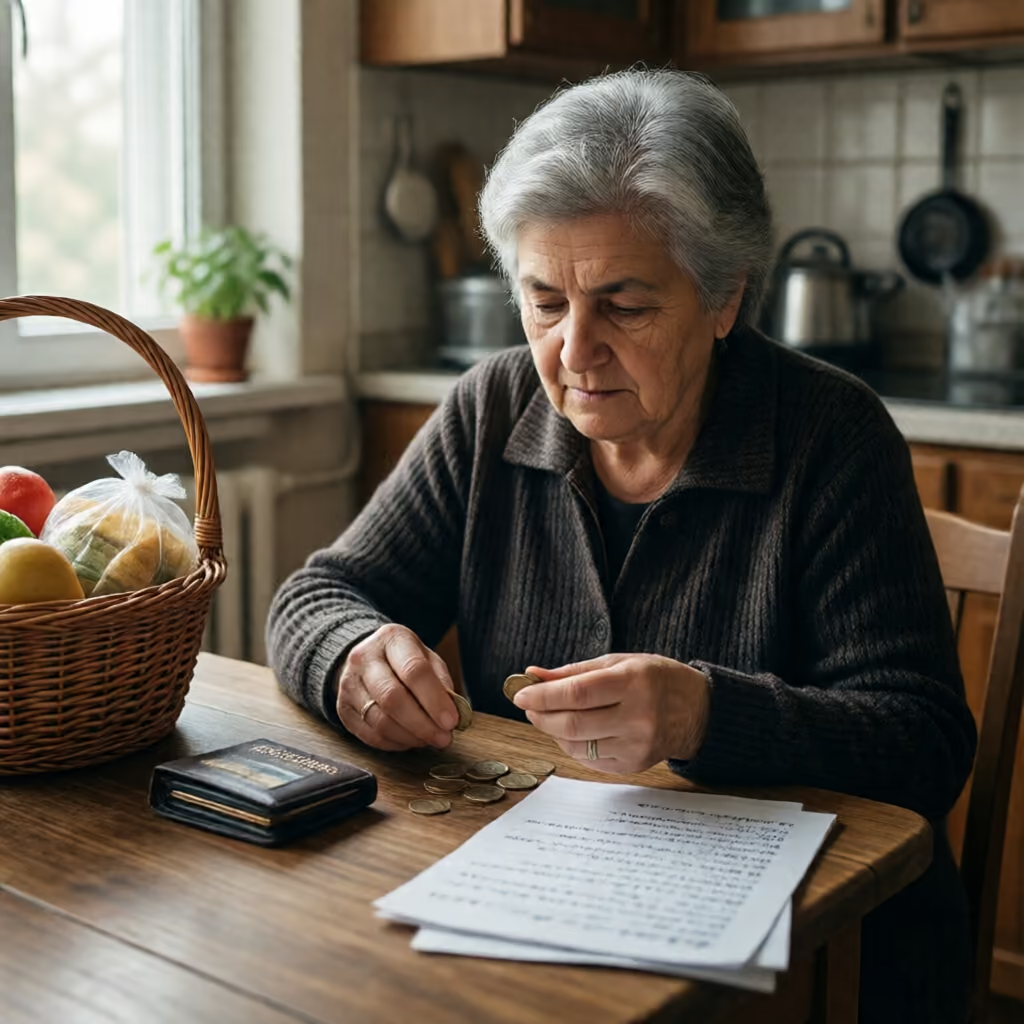
The financial means someone needs to support themselves.
EXAMPLE
Mit ihrer kleinen Rente hat sie gerade so ihr Auskommen.
With her small pension, she can just about make ends meet.
livelihood / relationship
das Auskommen
Loading your saved state.
livelihood
The financial means someone needs to support themselves.
Mit ihrer kleinen Rente hat sie gerade so ihr Auskommen.
With her small pension, she can just about make ends meet.
relationship
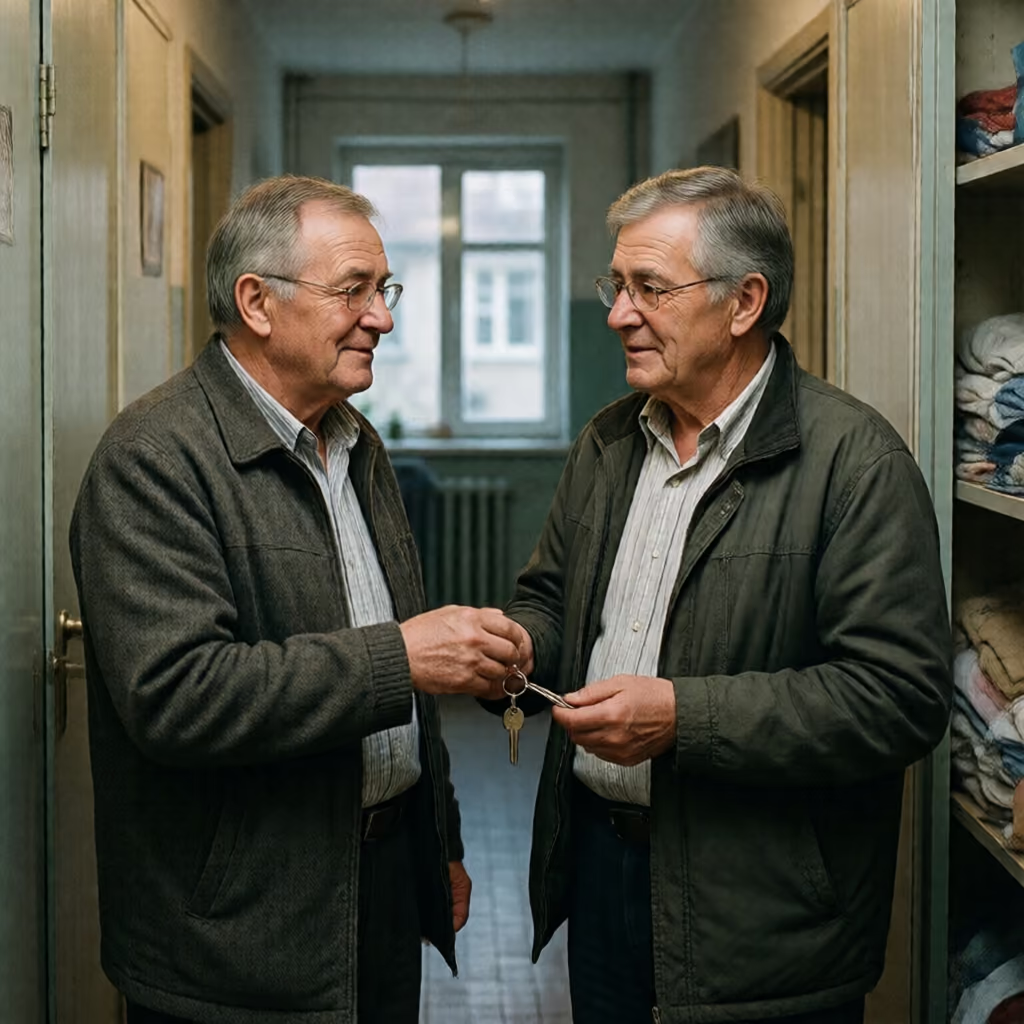
The relationship between people in their daily interactions, especially the ability to live or work together without conflict.
Mit dem neuen Nachbarn ist kein Auskommen, er beschwert sich ständig.
It's impossible to get along with the new neighbor; he is constantly complaining.
| gender | neuter das |
|---|---|
| genitive | des Auskommens |
| singular | plural | |
|---|---|---|
| nominative | das Auskommen | – |
| accusative | das Auskommen | – |
| dative | dem Auskommen | – |
| genitive | des Auskommens | – |
The article changes with the case; it is shown in colour.
'Auskommen' (livelihood / relationship) is usually used in fixed expressions, especially with 'haben' (to have) or 'finden' (to find). It is often used with a possessive determiner such as 'sein' (his), 'ihr' (her), or 'unser' (our); it is much less common on its own.
Mit seiner kleinen Werkstatt hat er ein bescheidenes Auskommen.
His small workshop provides him with a modest livelihood.
Nach vielen Jahren im Ausland hat sie dort ihr Auskommen gefunden.
After many years abroad, she found a livelihood there.
For the financial meaning, the expression 'sein Auskommen haben' (to have a livelihood) is particularly typical. Additions such as 'gerade so' (just about), 'ein gutes' (a good), or 'ein bescheidenes' (a modest) often indicate how sufficient the means are.
Als Gärtner hat er sein bescheidenes Auskommen.
As a gardener, he makes a modest living.
Dank des Hofladens hat die Familie ein gutes Auskommen.
Thanks to the farm shop, the family has a good livelihood.
When referring to interpersonal relationships, the dative follows 'mit' (with): 'ein gutes oder schlechtes Auskommen mit einer Person oder einer Personengruppe haben' (to get along well or badly with a person or group). The expression 'Mit jemandem ist kein Auskommen' (It is impossible to get along with someone) is also common.
Die neue Mieterin hat mit allen Hausbewohnern ein gutes Auskommen.
The new tenant gets along well with all the residents of the building.
Er hatte mit seinem Vorgesetzten kein besonders gutes Auskommen.
He did not get along particularly well with his supervisor.