

der Durst
thirst
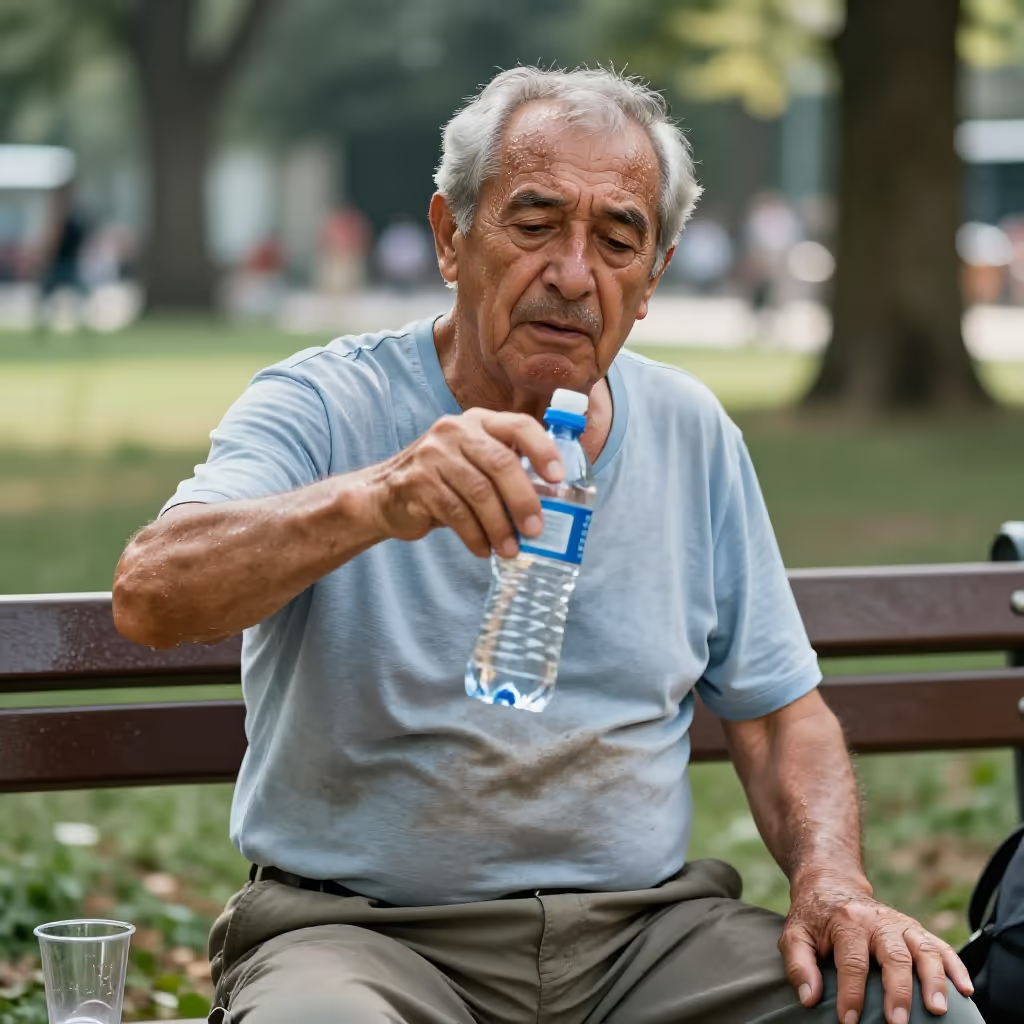
The physical feeling and need to drink something.
EXAMPLE
Nach dem Sport hatte ich einen riesigen Durst und trank eine ganze Flasche Wasser.
After exercising, I was extremely thirsty and drank a whole bottle of water.
thirst
Loading your saved state.
thirst
The physical feeling and need to drink something.
Nach dem Sport hatte ich einen riesigen Durst und trank eine ganze Flasche Wasser.
After exercising, I was extremely thirsty and drank a whole bottle of water.

thirst for
A strong, passionate desire for something immaterial, such as knowledge, adventure, or recognition.
Ihr unstillbarer Durst nach Wissen führte sie an die besten Universitäten der Welt.
Her unquenchable thirst for knowledge took her to the best universities in the world.
For the physical feeling, there are fixed verb combinations. You say 'Durst haben' (to be thirsty), 'Durst bekommen' (to become/get thirsty), or 'seinen Durst löschen' (to quench one's thirst).
Nach der langen Wanderung hatten wir großen Durst.
After the long hike, we were very thirsty.
In the figurative meaning, 'Durst' (thirst) is always used with the preposition 'nach' and the dative. It describes a strong desire for something abstract.
Sein Durst nach Abenteuern war unstillbar.
His thirst for adventure was unquenchable.
In its main meaning, 'Durst' (thirst) is used as an uncountable noun and normally has no plural form. You do not speak of 'vielen Dürsten' (many thirsts).
Bei dieser Hitze ist Durst ein ständiger Begleiter.
In this heat, thirst is a constant companion.
desire / pleasure
Lust auf etwas usually refers to an immediate desire or liking. Durst nach something immaterial, by contrast, highlights a particularly strong, passionate, and often longer-lasting urge. Lust fits a spontaneous desire, while Durst is more suitable for an intense striving.
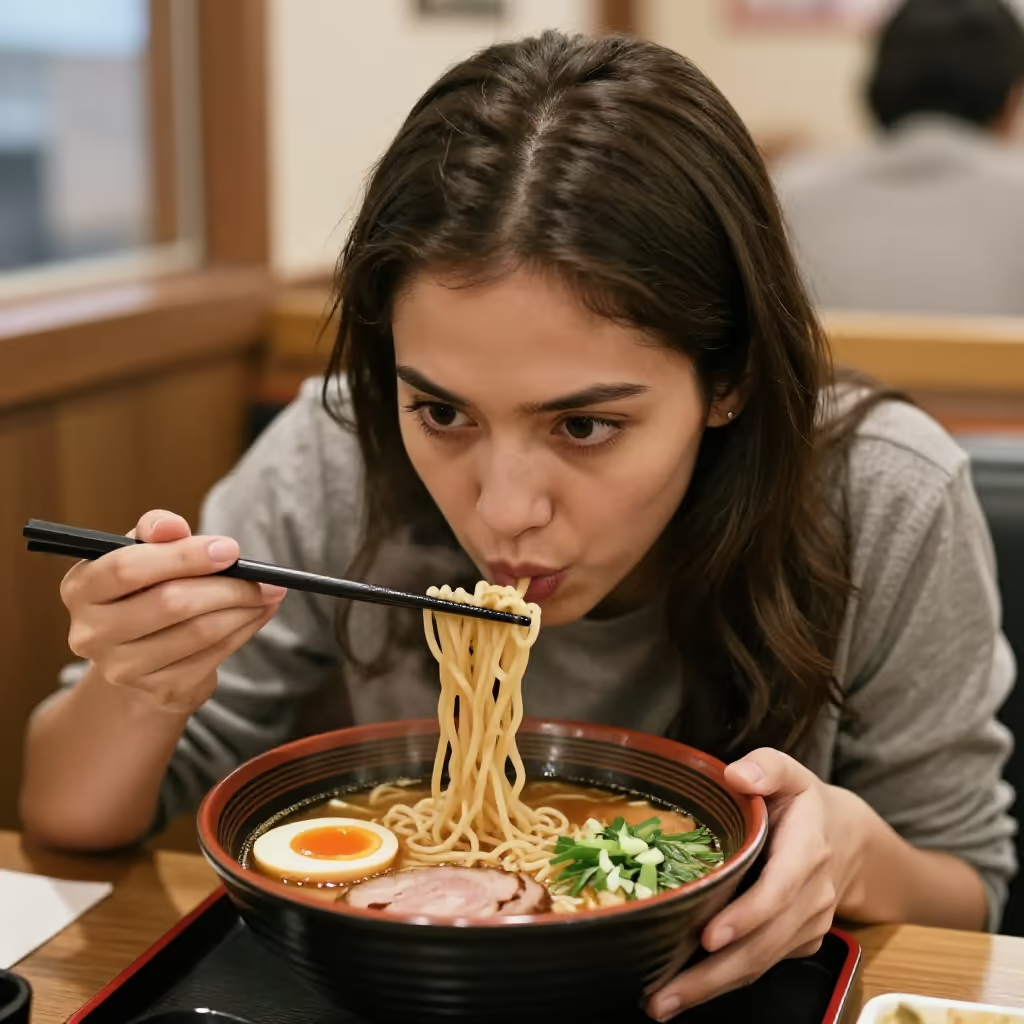
Seit Jahren verspürt Lea einen starken Durst nach Abenteuern.
Lea has felt a strong thirst for adventure for years.
Heute hat Lea Lust auf ein neues Abenteuer.
Today, Lea feels like having a new adventure.