

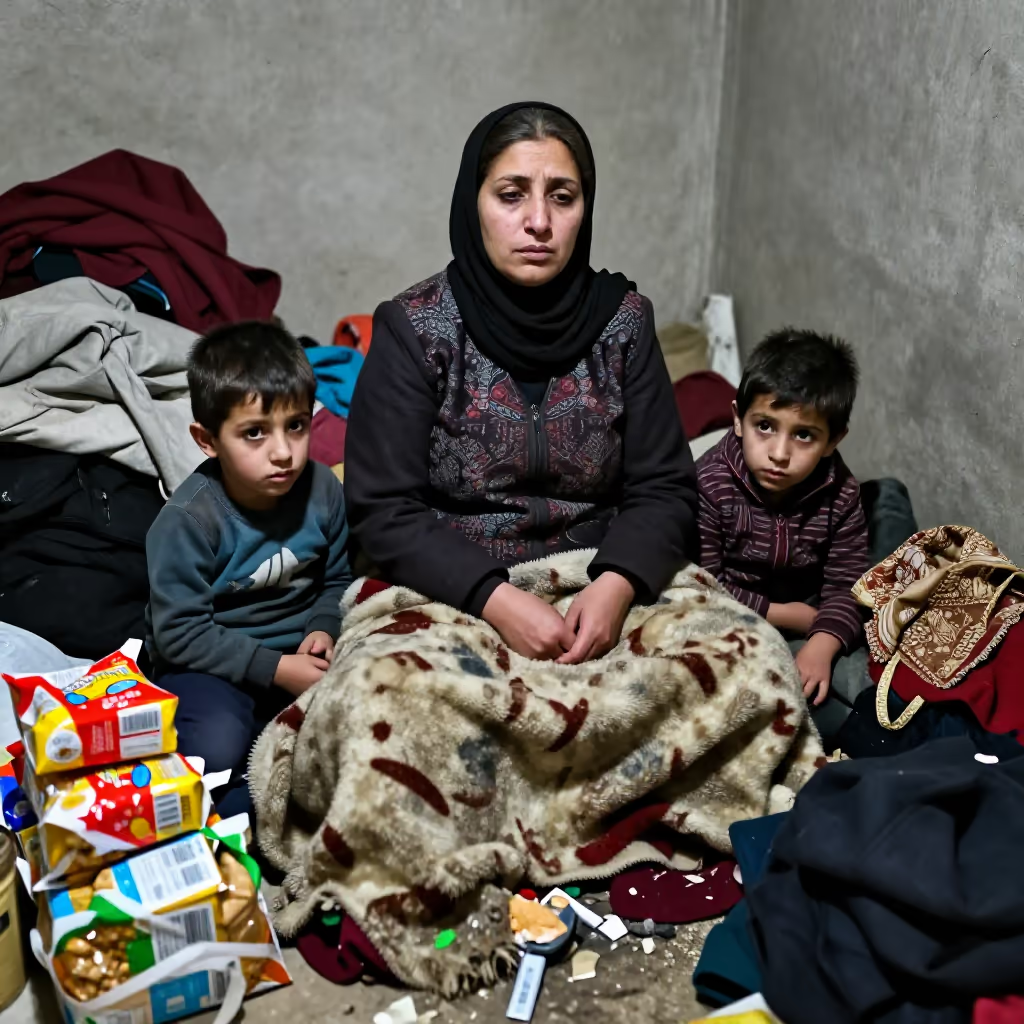
das Elend
misery
A state of great suffering, extreme poverty, hardship, or grief.
EXAMPLE
Viele Menschen in den Kriegsgebieten leben in unvorstellbarem Elend.
Many people in the war zones live in unimaginable misery.
misery
Loading your saved state.
misery
A state of great suffering, extreme poverty, hardship, or grief.
Viele Menschen in den Kriegsgebieten leben in unvorstellbarem Elend.
Many people in the war zones live in unimaginable misery.
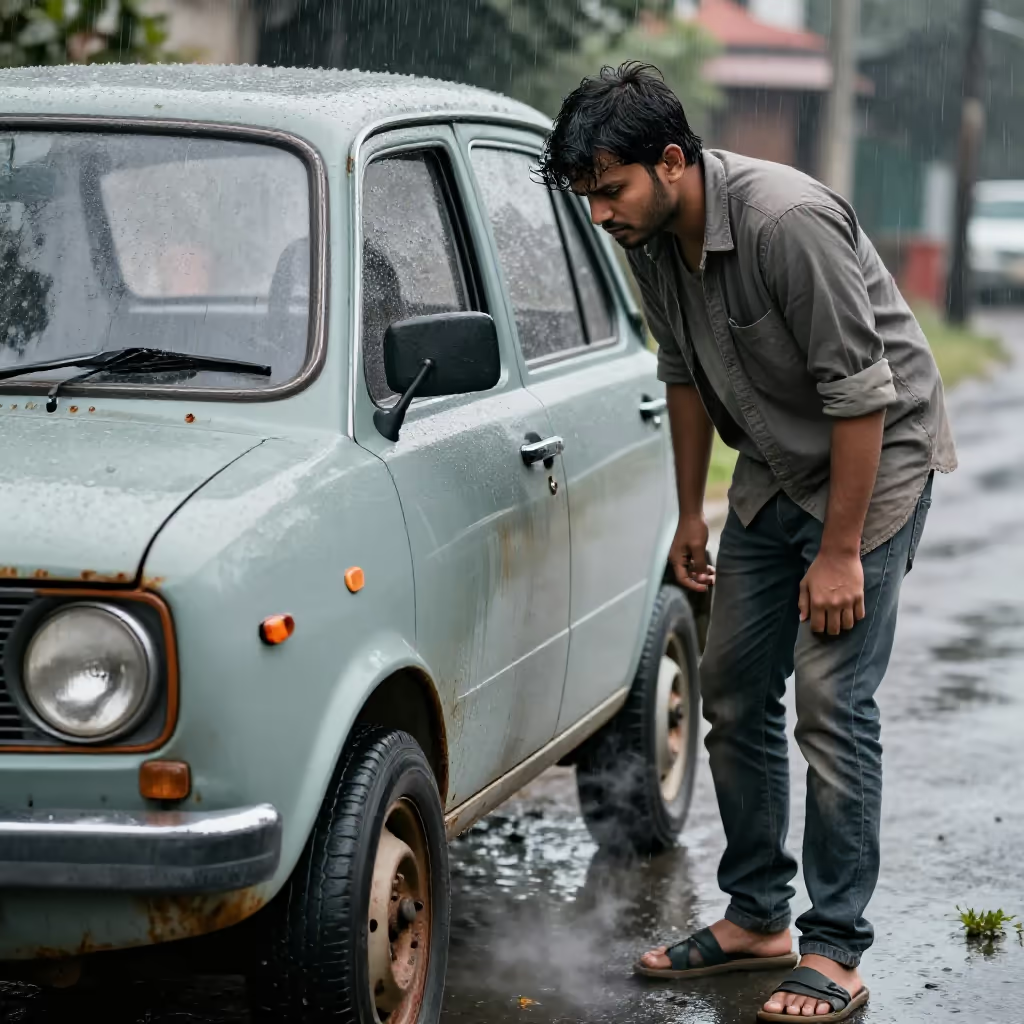
pitiful sight
Colloquial and often derogatory for a person or thing that makes a pathetic, pitiable impression.
Schau dir das Elend an, diese alte Hütte fällt ja gleich zusammen!
Look at that pitiful sight—this old hut is about to fall apart!
The word 'Elend' (misery) comes from the Old High German 'elilenti', which meant 'in a foreign land' or 'in exile'. Since living away from home was often associated with suffering and hardship, the word acquired its current meaning of 'great suffering'.
Die Flüchtlinge hoffen, dem Elend in ihrer Heimat zu entkommen.
The refugees hope to escape the misery in their homeland.
In its main meaning, 'Elend' (misery) is an uncountable noun. It is used with 'viel' (a lot of), 'groß' (great), or without an article, but not with numbers or in the plural.
Der Krieg brachte großes Elend über das Land.
The war brought great misery upon the country.
Common expressions are 'im Elend leben' (to live in misery), 'das Elend der Welt' (the misery of the world), or 'Elend lindern' (to alleviate misery). It often describes a state caused by poverty, war, or natural disasters.
Viele Hilfsorganisationen versuchen, das Elend in der Region zu lindern.
Many aid organizations are trying to alleviate the misery in the region.
This use is strongly colloquial and expresses pity or contempt. It is often used with a demonstrative pronoun such as 'dieses' (this) or 'das' (that) to point to something or someone.
Zieh dir eine Jacke an, du Elend, sonst wirst du noch krank!
Put on a jacket, you poor thing, or you'll get sick!
suffering
„Das Leid“ mainly refers to the physical or emotional pain a person experiences. „Das Elend“ refers more to their entire miserable living situation, especially in cases of extreme poverty or hardship. A miserable situation can therefore cause a great deal of suffering.

Ohne Wohnung, Geld und genug Essen lebte er im Elend.
Without a home, money, or enough food, he lived in misery.
Der Verlust seiner Wohnung verursachte ihm großes Leid.
Losing his home caused him great suffering.