


extrem
extremely
To a very high degree; used as an intensifier for an adjective or adverb.
EXAMPLE
Das Wasser im See war extrem kalt.
The water in the lake was extremely cold.
extreme
Loading your saved state.
extremely
To a very high degree; used as an intensifier for an adjective or adverb.
Das Wasser im See war extrem kalt.
The water in the lake was extremely cold.
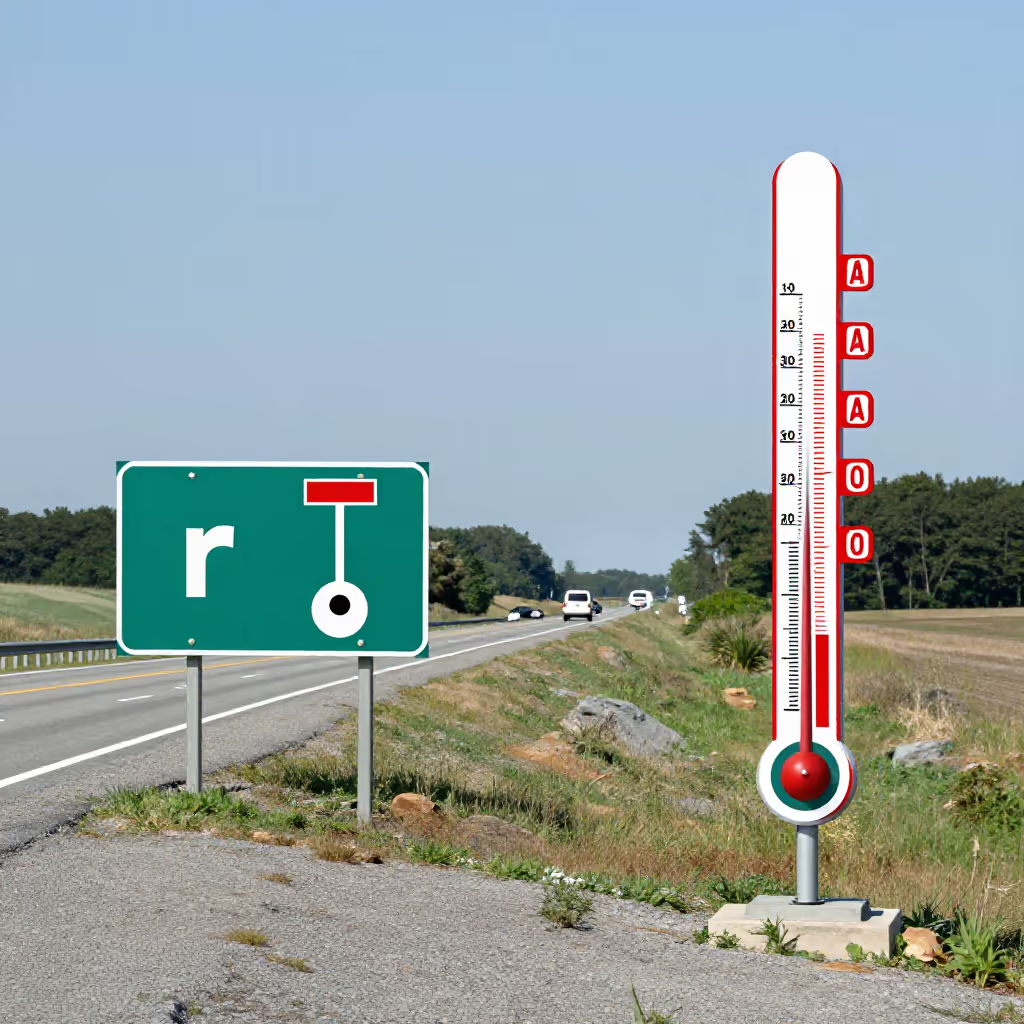
extreme
Describes something that is at the outermost end of a scale and is not moderate or average.
Er hat sehr extreme Ansichten und ist kaum kompromissbereit.
He has very extreme views and is hardly willing to compromise.
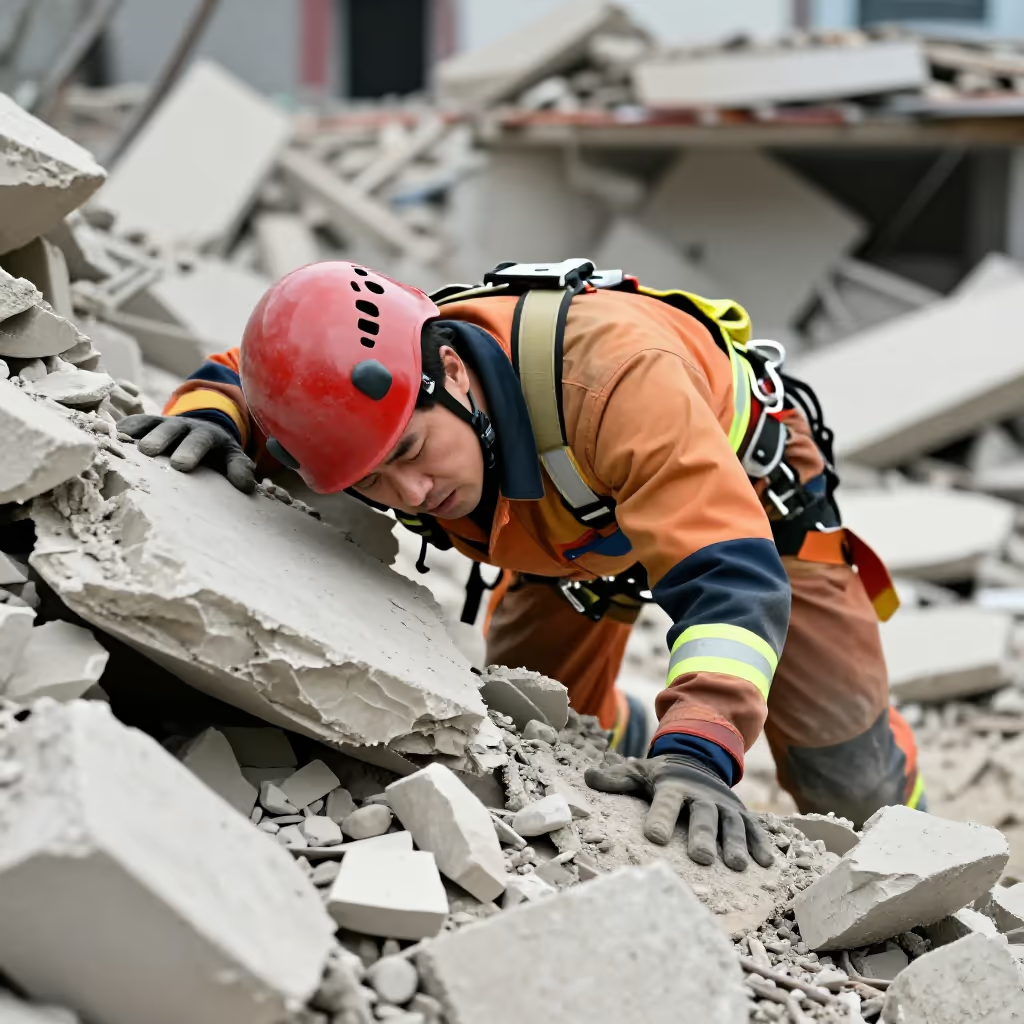
extreme
Describes a situation or condition that is especially difficult, exhausting, or dangerous.
Die Bergsteiger mussten unter extremen Bedingungen arbeiten.
The mountaineers had to work under extreme conditions.
'Extrem' can stand as an adverb before an adjective or adverb to intensify it. In that case, it is not declined. When it stands directly before a noun as an adjective, it is declined like any other adjective.
Der Film war extrem langweilig.
The film was extremely boring.
As an adverb, 'extrem' means something like 'sehr' (very) or 'außergewöhnlich' (exceptionally). It can be used to describe the intensity of a feeling, quality, or action.
Er ist extrem intelligent.
He is extremely intelligent.
As an adjective, 'extrem' is often used to describe difficult or challenging circumstances. Common combinations are 'extreme Bedingungen' (extreme conditions), 'extreme Temperaturen' (extreme temperatures), or 'eine extreme Situation' (an extreme situation).
Die Rettungskräfte arbeiteten unter extremen Bedingungen.
The rescue workers worked under extreme conditions.
awesome / extreme
Both words can intensify an unusually high degree. „Extrem“ describes the degree in a relatively neutral way, whereas „krass“ is colloquial and sounds more like a personal reaction or evaluation. Use „extrem“ in neutral statements and „krass“ mainly in casual conversation.

Die Prüfung war extrem schwer.
The exam was extremely difficult.
Die Prüfung war krass schwer.
The exam was insanely difficult.