

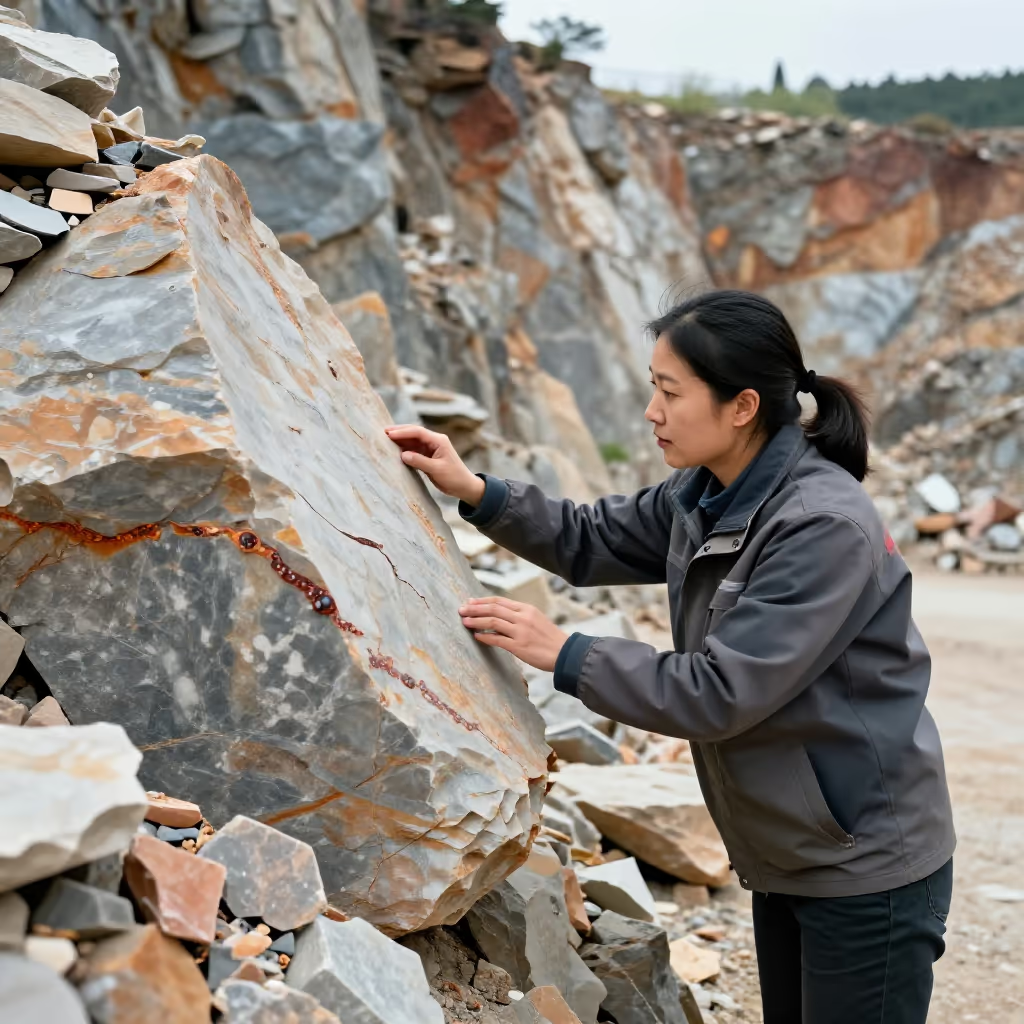
The solid material that the Earth's crust consists of and that is made up of one or more minerals. It is the basic material of mountains and cliffs.
example
Granit ist ein sehr hartes Gestein, das oft im Bauwesen verwendet wird.
Granite is a very hard rock that is often used in construction.
Usage tips
Word formation
The word 'Gestein' (rock) is derived from 'der Stein' (stone). The prefix 'Ge-' forms a collective noun here and describes the material as a whole, not an individual stone.
EXAMPLE
Die Alpen bestehen aus unterschiedlichen Arten von Gestein.
The Alps consist of different types of rock.
Register
'Gestein' (rock) is often a technical term in geology or construction. It describes the material in a scientific or technical sense.
EXAMPLE
Die Geologen untersuchen die Proben von Gestein vom Meeresboden.
The geologists are examining the rock samples from the seabed.
Typical collocations
Common adjectives used with 'Gestein' (rock) are 'hartes' (hard), 'weiches' (soft), 'vulkanisches' (volcanic), or 'loses' (loose) Gestein.
EXAMPLE
Vulkanisches Gestein ist oft sehr porös.
Volcanic rock is often very porous.
Compare with
near_synonym · confusable
Gestein vs Stein
stone
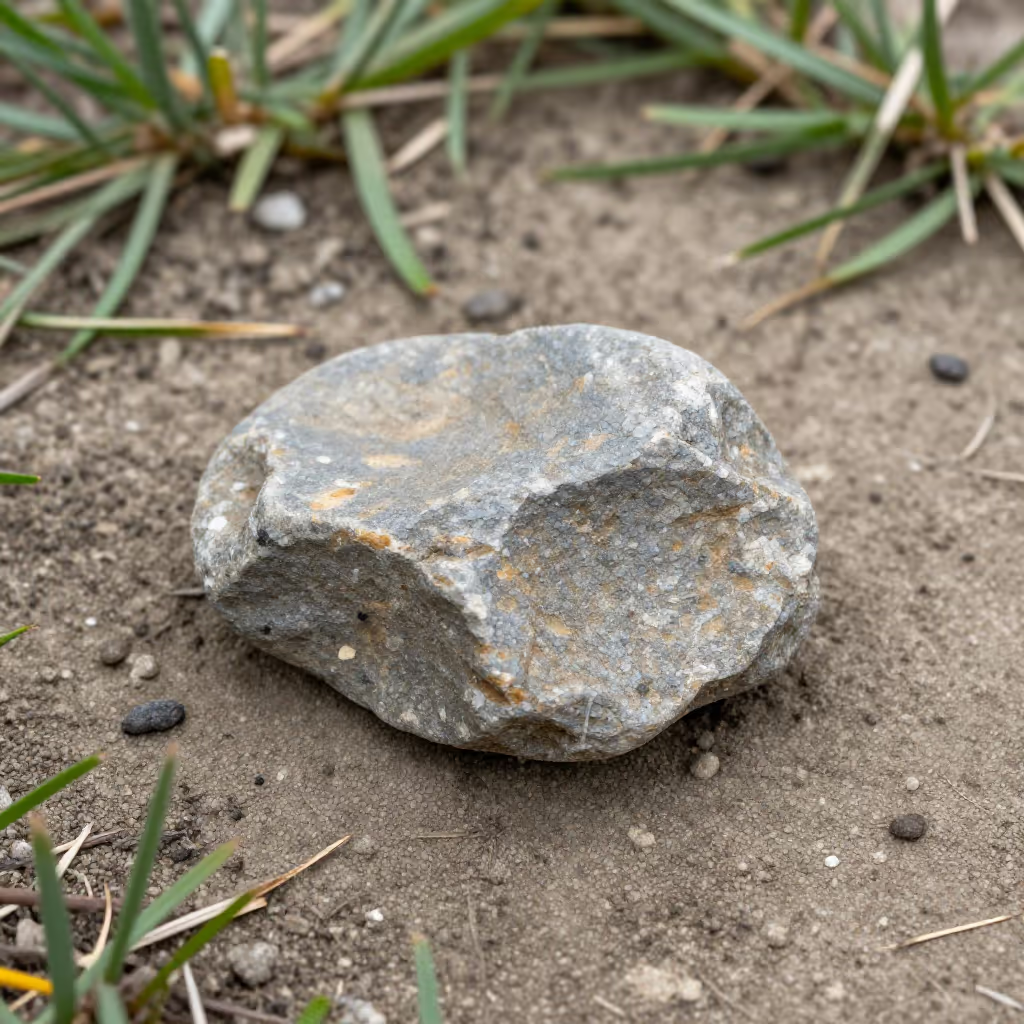
'der Stein' and 'das Gestein' both have to do with solid material from nature. 'Stein' usually means a single piece, or in construction also the material stone. 'Gestein' more often means the substance or natural mass that mountains, cliffs, and stones are made of. It sounds more technical and fits well in contexts such as nature, geography, or engineering. The words can be confused because a stone is made of rock. If you mean a single piece in your hand, 'Stein' is more natural. If you are talking about the material in the ground or in a mountain, 'Gestein' fits better.
Gestein
In den Bergen ist das Gestein an vielen Stellen dunkel und hart.
In the mountains, the rock is dark and hard in many places.