

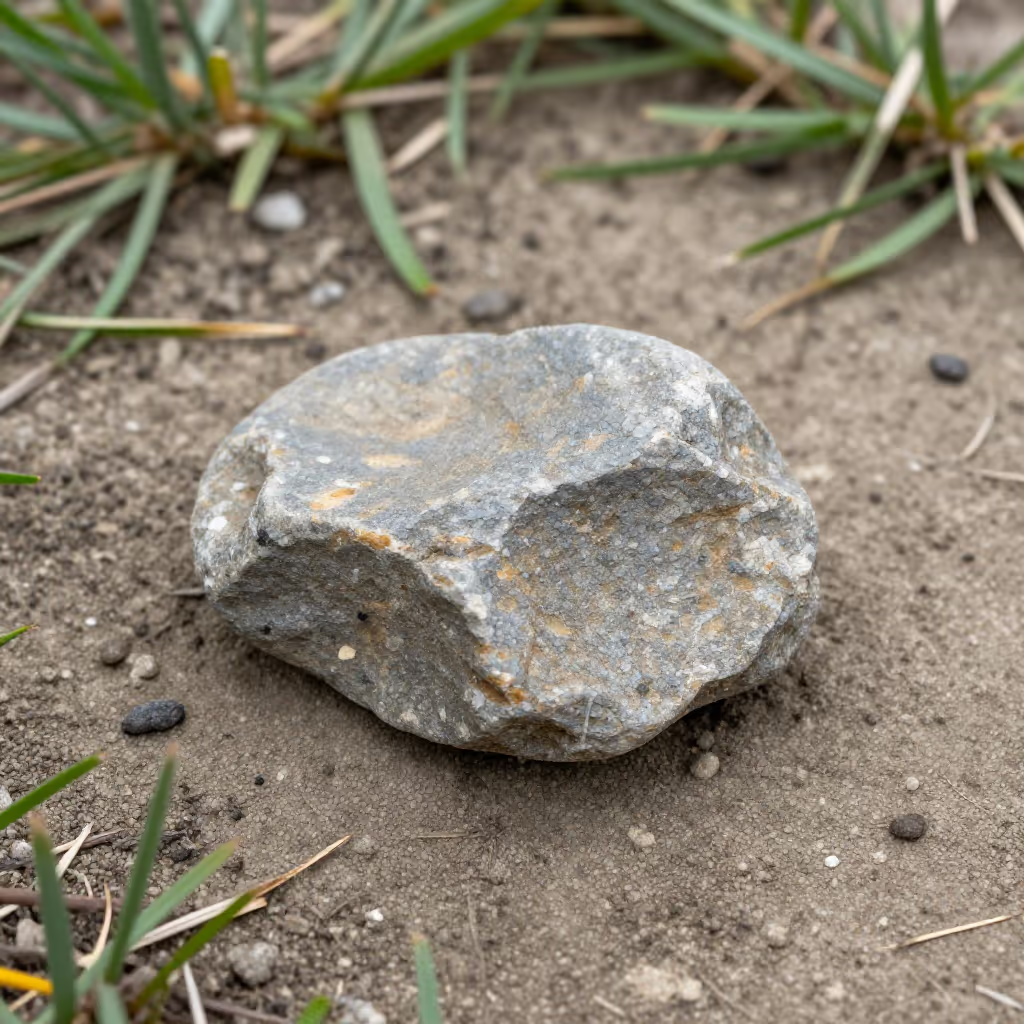
der Stein
stone
A solid, mineral piece of rock of varying size.
EXAMPLE
Er warf einen kleinen Stein ins Wasser.
He threw a small stone into the water.
stone
Loading your saved state.
stone
A solid, mineral piece of rock of varying size.
Er warf einen kleinen Stein ins Wasser.
He threw a small stone into the water.
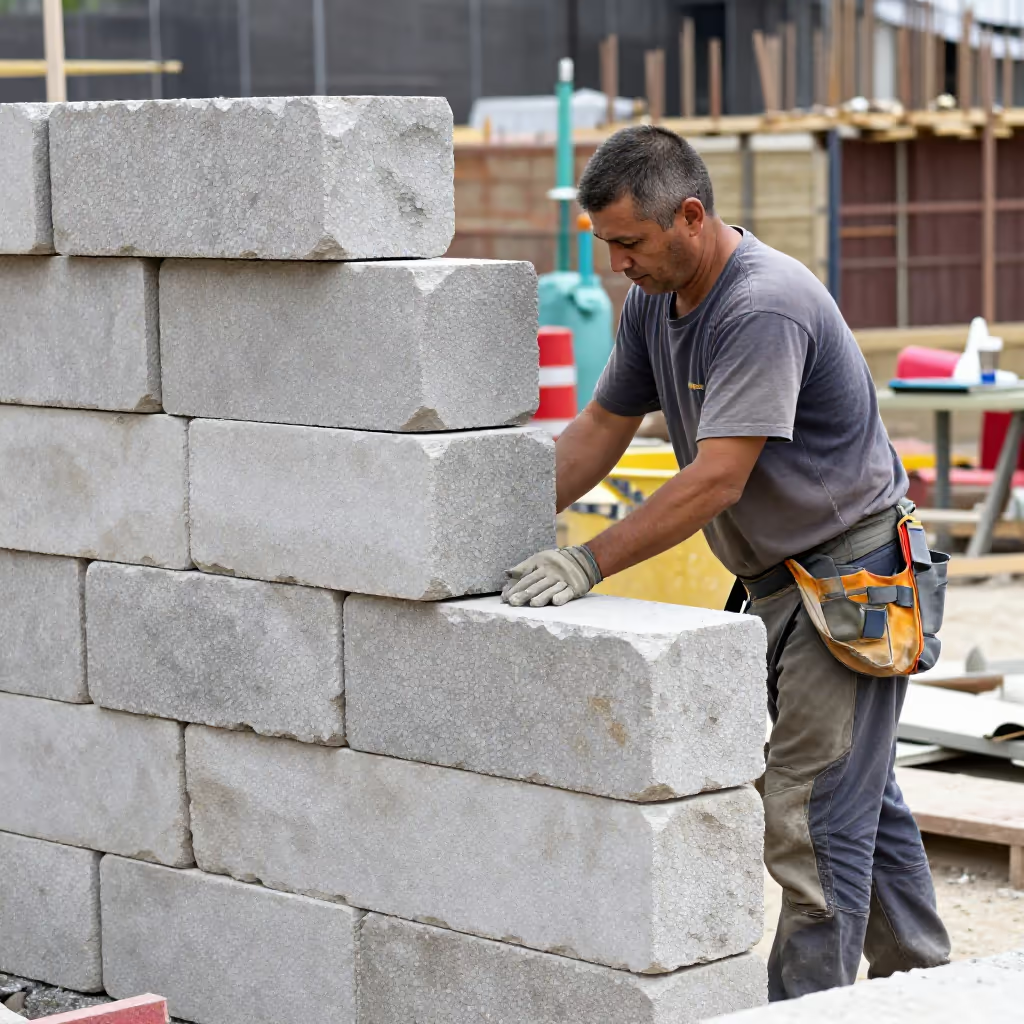
stone
The material rock used as a building material.
Die alte Brücke wurde aus Stein gebaut.
The old bridge was built of stone.
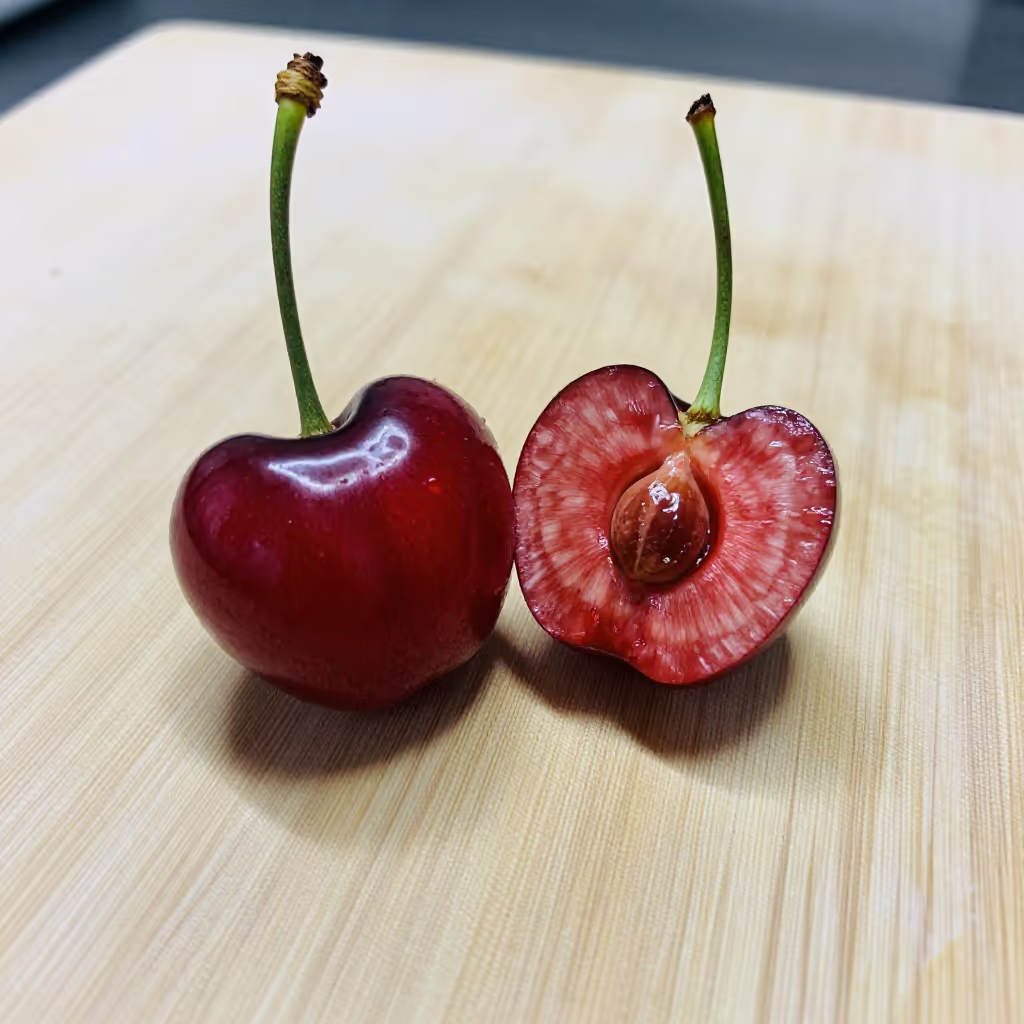
pit / stone
The hard core in certain fruits such as cherries, peaches, or plums.
Pass auf, in der Olive ist noch ein Stein.
Be careful, there is still a pit in the olive.
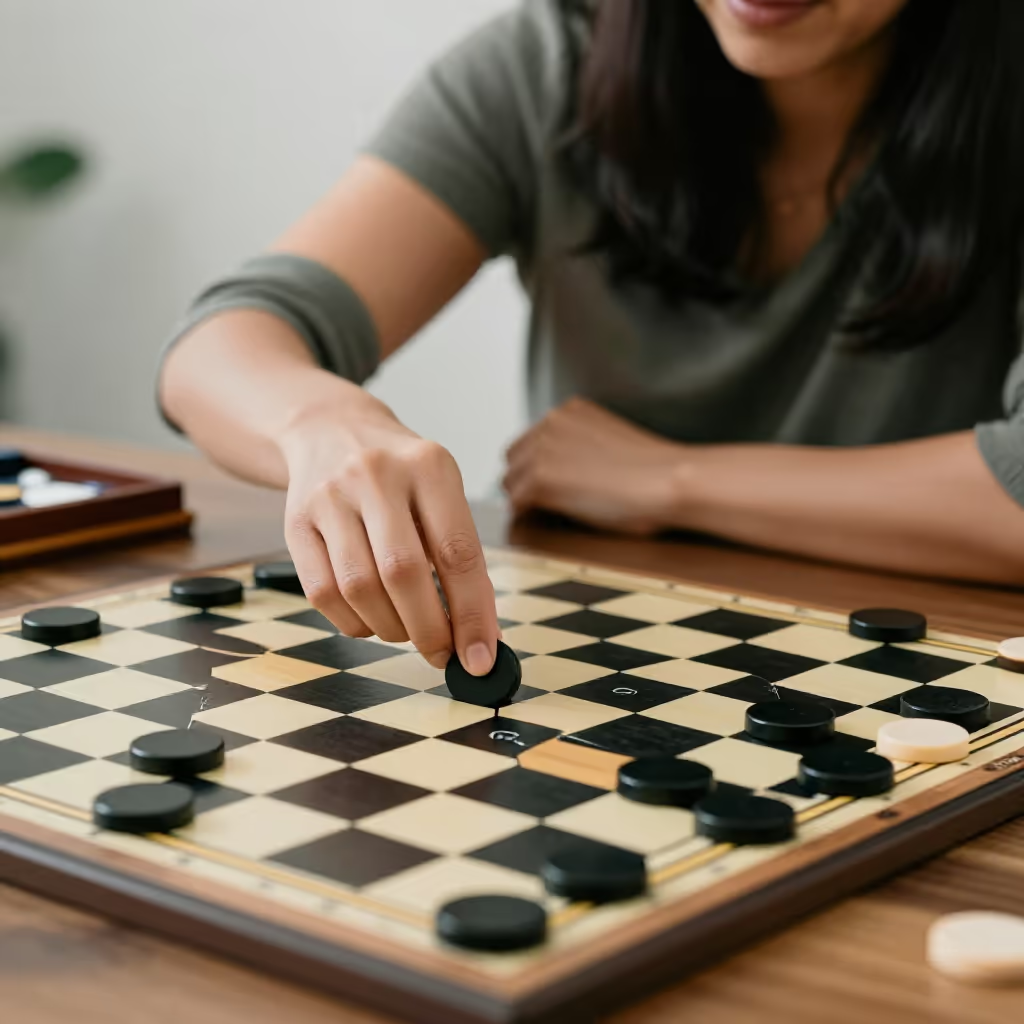
piece / stone
A game piece in board games such as checkers, Nine Men's Morris, or Go.
Bei diesem Zug verlierst du einen Stein.
With this move, you lose a piece.

sticking point
The cause of an argument, annoyance, or source of irritation.
Die geplante Mauterhöhung war der Stein des Anstoßes für die Proteste.
The planned toll increase was the sticking point behind the protests.

to be in someone's good books
To be very popular or highly regarded by someone and enjoy their goodwill.
Seit er das Projekt gerettet hat, hat er bei der Chefin einen Stein im Brett.
Ever since he saved the project, he has been in the boss's good books.

stone
A solid, crystalline deposit in the body, such as a kidney stone or gallstone.
Die Schmerzen wurden durch einen Nierenstein verursacht.
The pain was caused by a kidney stone.
'Stein' (stone) is a very productive base word in German. You can find it in many words such as 'Grundstein' (foundation stone), 'Meilenstein' (milestone), 'Edelstein' (gemstone), or 'Grabstein' (gravestone).
Die Grundsteinlegung für das neue Gebäude ist nächste Woche.
The laying of the foundation stone for the new building is next week.
As an individual object, 'der Stein' (stone) is countable (plural: 'die Steine'). As a material, 'Stein' (stone) is uncountable and is used without an article.
Die Kinder werfen Steine ins Wasser.
The children are throwing stones into the water.
In fruit, the hard core is called a 'Stein' (pit/stone). Fruits with such a core, like cherries, peaches, or apricots, are collectively called 'Steinobst' (stone fruit).
Vorsicht, die Kirschen haben noch Steine.
Careful, the cherries still have pits.
In many board games, a game piece is called a 'Stein' (piece/stone). This is the case, for example, in checkers, Nine Men's Morris, or the Asian game Go.
Wenn du jetzt nicht aufpasst, verlierst du einen Stein.
If you don't pay attention now, you'll lose a piece.
The expression 'der Stein des Anstoßes' (the sticking point / bone of contention) is a fixed idiom. It refers to the main cause of an argument or general annoyance.
Die neue Parkgebühr war der Stein des Anstoßes für die Anwohner.
The new parking fee was the sticking point for the residents.
The idiom 'einen Stein im Brett bei jemandem haben' means that someone is very popular with that person and enjoys their trust.
Seit er dem Chef geholfen hat, hat er einen Stein im Brett bei ihm.
Ever since he helped the boss, he has been in his good books.
In a medical context, 'Stein' (stone) refers to a solid deposit in the body. It is usually used as part of a compound word such as 'Nierenstein' (kidney stone) or 'Gallenstein' (gallstone).
Er hatte starke Schmerzen wegen eines Nierensteins.
He had severe pain because of a kidney stone.
figure
In board games, both words can refer to a movable game piece. Der Stein is the usual term in games such as checkers, Nine Men’s Morris, or Go, while die Figur is more general and refers to a small represented game piece. Use the term used by the particular game.
Bei Dame darf ich meinen Stein diagonal nach vorne bewegen.
In checkers, I’m allowed to move my piece diagonally forward.
Beim Schach zieht der Spieler seine Figur vorsichtig über das Brett.
In chess, the player moves their piece carefully across the board.