


der Große
the big one
A person who is taller or more physically imposing than the other people in the same group.
EXAMPLE
Der Große stand ganz hinten und war trotzdem gut zu sehen.
The big one stood at the very back and was still easy to see.
big one / older one
Loading your saved state.
the big one
A person who is taller or more physically imposing than the other people in the same group.
Der Große stand ganz hinten und war trotzdem gut zu sehen.
The big one stood at the very back and was still easy to see.

the older one
A person who is older or bigger than another child, especially within a family.
Der Große bringt seinen kleinen Bruder heute zum Kindergarten.
The older one is taking his little brother to kindergarten today.
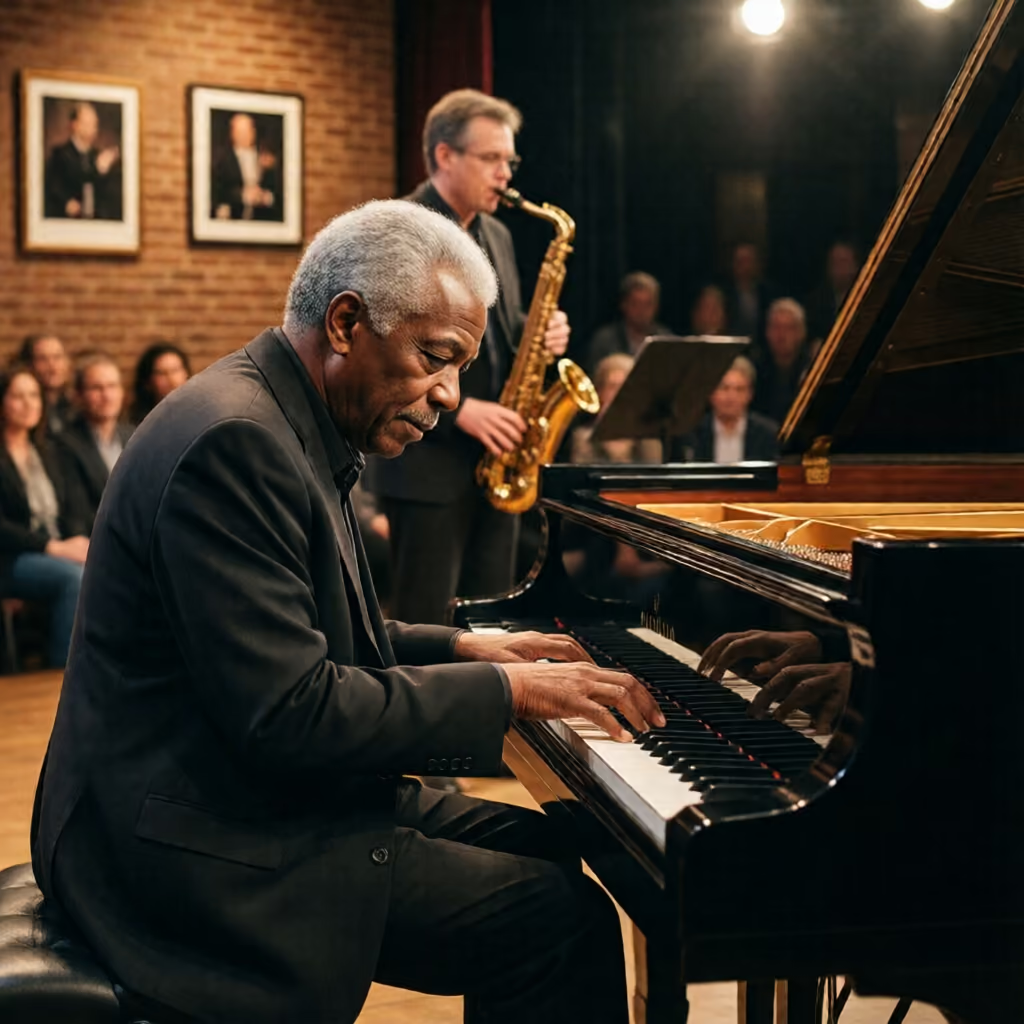
the great one
An important, influential, or famous person, especially in a particular field; also used as an epithet for famous rulers.
Er gilt als einer der Großen des Jazz.
He is considered one of the greats of jazz.
The adjective „groß“ (big/tall) is used here as a noun; no additional noun for the person is needed. Which person „der Große“ (the big one) refers to must be clear from the conversation or the preceding text.
Zwei Männer warteten vor der Tür; der Große trug einen roten Mantel.
Two men were waiting outside the door; the big one was wearing a red coat.
When talking about one's own children, combinations with a possessive word are typical, such as „unser Großer“ (our older one) or „mein Großer“ (my older one). Information about school, age, or siblings helps identify the familial meaning.
Unser Großer kommt nach den Sommerferien in die Schule.
Our older one is starting school after the summer holidays.
As a historical epithet, „der Große“ (the Great) comes directly after the person's name. This combination is a fixed designation for a particular ruler and is especially common in history books and historical accounts.
Alexander der Große eroberte ein riesiges Reich.
Alexander the Great conquered a vast empire.