

ausladen
to unload
To remove something from a vehicle, container, or package.
EXAMPLE
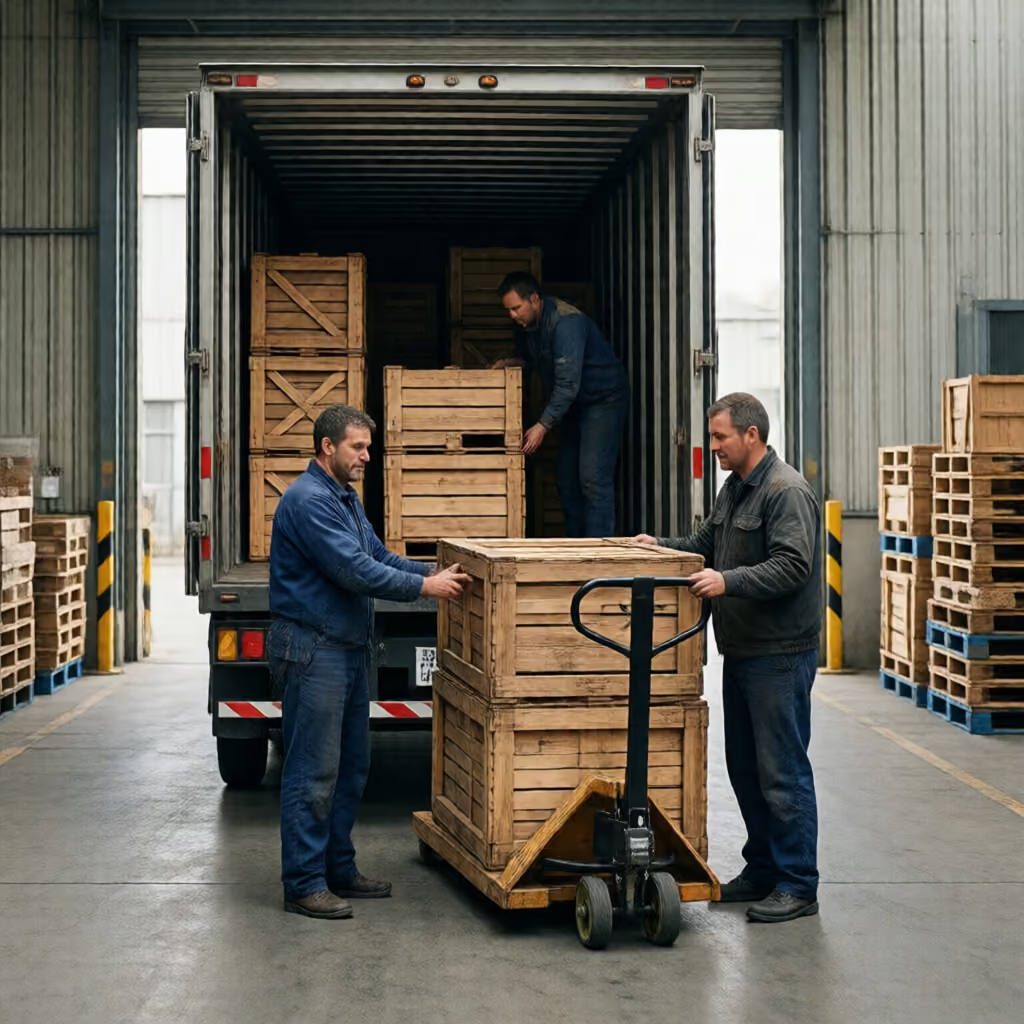
Die Mitarbeiter laden die schweren Kisten aus dem Lastwagen aus.
The workers unload the heavy crates from the truck.
to unload / to disinvite / to project outward
ausladen – lud aus – hat ausgeladen
Loading your saved state.
to unload
To remove something from a vehicle, container, or package.
Die Mitarbeiter laden die schweren Kisten aus dem Lastwagen aus.
The workers unload the heavy crates from the truck.

to disinvite someone
To ask or inform someone that they should no longer come to a planned event, even though they were originally invited.
Wegen des Streits hat sie ihn wieder ausgeladen.
Because of the argument, she disinvited him.
to project outward
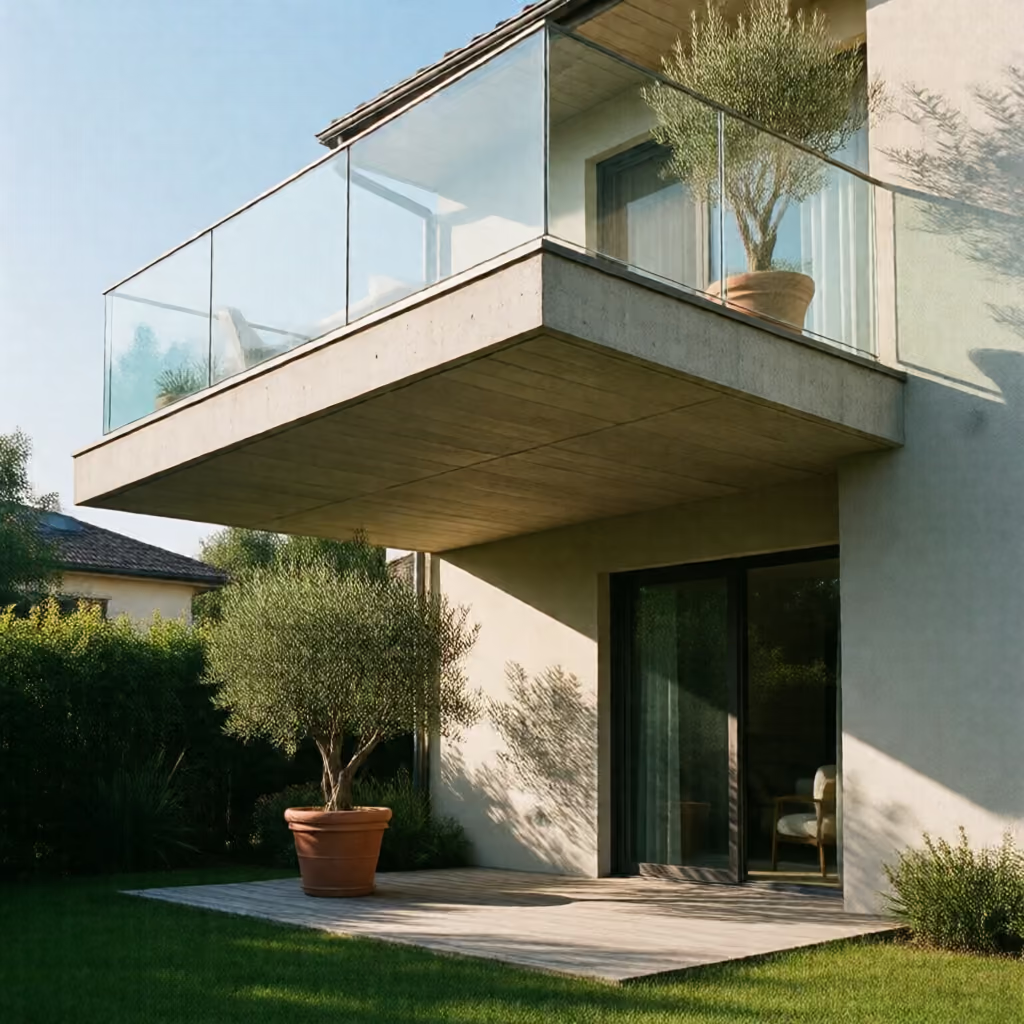
To extend far outward or protrude beyond a surface; this meaning is usually used for structural elements or branches.
Der Balkon lädt weit über den Garten aus.
The balcony projects far out over the garden.
| ich | lade aus |
|---|---|
| du | lädst aus |
| er/sie/es | lädt aus |
| wir | laden aus |
| ihr | ladet aus |
| sie | laden aus |
| ich | lud aus |
|---|---|
| du | ludest aus ludst aus |
| er/sie/es | lud aus |
| wir | luden aus |
| ihr | ludet aus |
| sie | luden aus |
| ich | habe ausgeladen |
|---|---|
| du | hast ausgeladen |
| er/sie/es | hat ausgeladen |
| wir | haben ausgeladen |
| ihr | habt ausgeladen |
| sie | haben ausgeladen |
| du | lad aus! lade aus! |
|---|---|
| ihr | ladet aus! |
| Sie | laden Sie aus! |
| ich | hatte ausgeladen |
|---|---|
| du | hattest ausgeladen |
| er/sie/es | hatte ausgeladen |
| wir | hatten ausgeladen |
| ihr | hattet ausgeladen |
| sie | hatten ausgeladen |
| ich | werde ausladen |
|---|---|
| du | wirst ausladen |
| er/sie/es | wird ausladen |
| wir | werden ausladen |
| ihr | werdet ausladen |
| sie | werden ausladen |
| ich | lade aus |
|---|---|
| du | ladest aus |
| er/sie/es | lade aus |
| wir | laden aus |
| ihr | ladet aus |
| sie | laden aus |
Used for reported speech.
| ich | lüde aus |
|---|---|
| du | lüdest aus |
| er/sie/es | lüde aus |
| wir | lüden aus |
| ihr | lüdet aus |
| sie | lüden aus |
Used for wishes and “would”.
| infinitive | ausladen |
|---|---|
| with zu | auszuladen |
| present participle | ausladend |
| past participle | ausgeladen |
'Ausladen' (to unload / to disinvite / to project outward) is a separable verb. In a main clause, 'aus' (out) comes at the end of the sentence; in a subordinate clause, the verb remains together; and in the infinitive with 'zu' (to), 'zu' comes between 'aus' and 'laden'.
Die Helfer laden die Möbel am Nachmittag aus.
The helpers unload the furniture in the afternoon.
Sie bleibt, weil sie noch die letzten Kartons ausladen muss.
She is staying because she still has to unload the last boxes.
Wir kommen früher, um den Lieferwagen auszuladen.
We are coming earlier to unload the delivery van.
'Ausladen' consists of the prefix 'aus' (out) and the verb 'laden' (to load). In its various meanings, the prefix indicates movement outward or removal from an area.
Vor dem Umzug laden wir den Transporter vollständig aus.
Before the move, we completely unload the van.
When removing objects, the place or container is often used with 'aus' (from) and the dative. The material being removed is used as an accusative object.
Kannst du bitte die Einkäufe aus dem Kofferraum ausladen?
Can you please unload the groceries from the trunk?
In the meaning related to an invitation, the person affected is used directly as an accusative object: Man kann jemanden ausladen (You can disinvite someone). Words such as 'wieder' (again), 'kurzfristig' (at short notice), or 'von der Feier' (from the party) often show that the person had already been invited to the event.
Der Gastgeber hat seinen Nachbarn kurzfristig von der Feier ausgeladen.
The host disinvited his neighbor from the party at short notice.
The meaning of extending outward occurs mainly in descriptions of architecture, structural elements, and branches. Typical additions refer to the direction or surface beyond which something extends.
Das breite Dach lädt weit über die Terrasse aus.
The wide roof projects far out over the terrace.