

grün
green
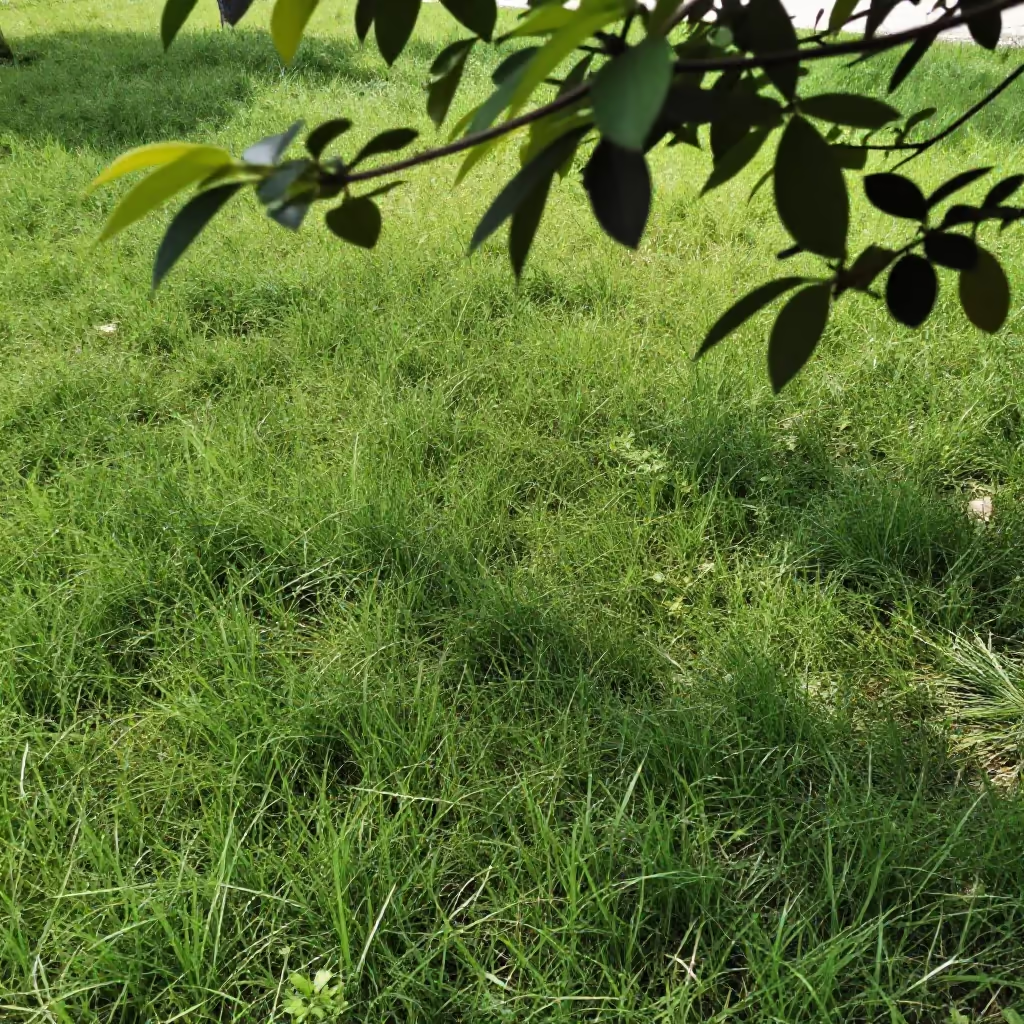
Describes the color of grass or leaves; one of the three primary colors in additive color mixing.
EXAMPLE
Im Frühling werden alle Wiesen wieder saftig grün.
In spring, all the meadows turn lush green again.
green
Loading your saved state.
green
Describes the color of grass or leaves; one of the three primary colors in additive color mixing.
Im Frühling werden alle Wiesen wieder saftig grün.
In spring, all the meadows turn lush green again.
green
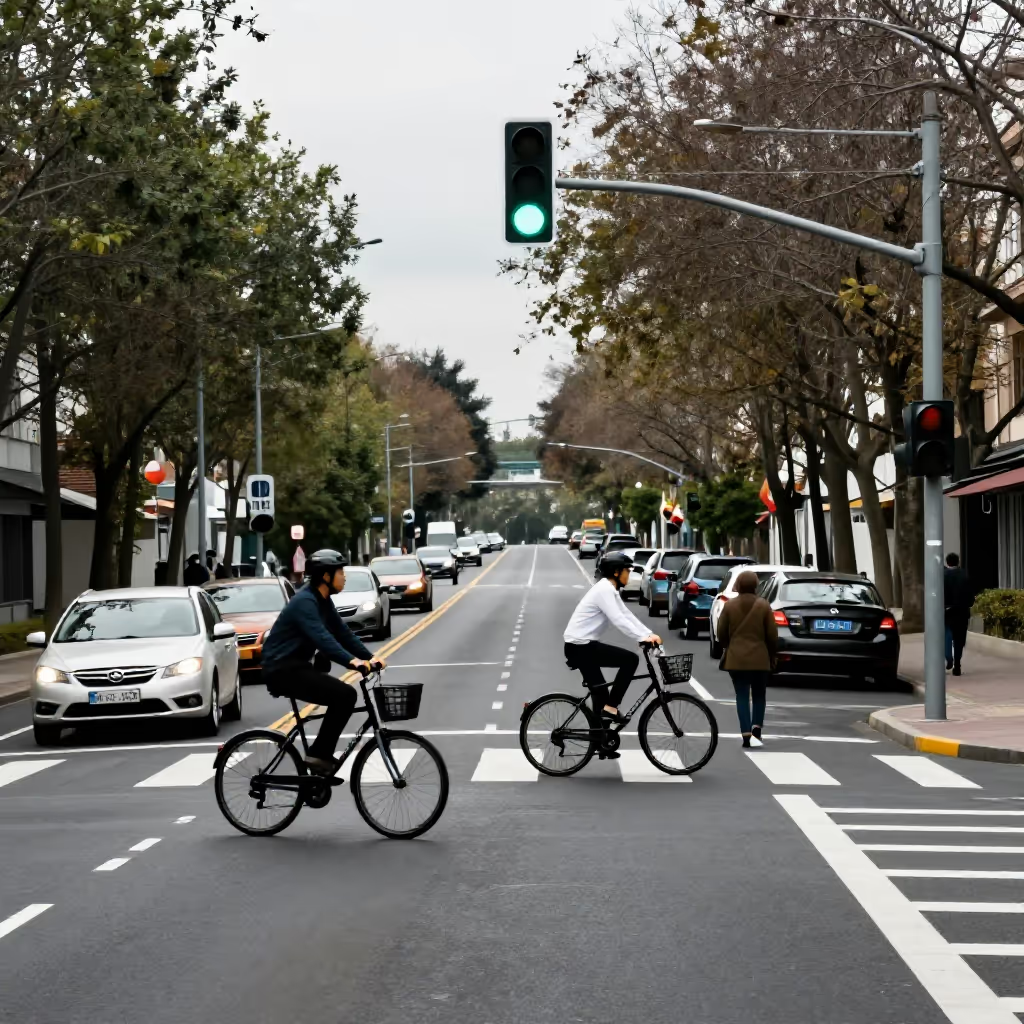
Usually signals permission or the right to proceed, especially at a traffic light.
Du kannst über die Straße gehen, die Ampel für Fußgänger ist grün.
You can cross the street; the pedestrian light is green.
green
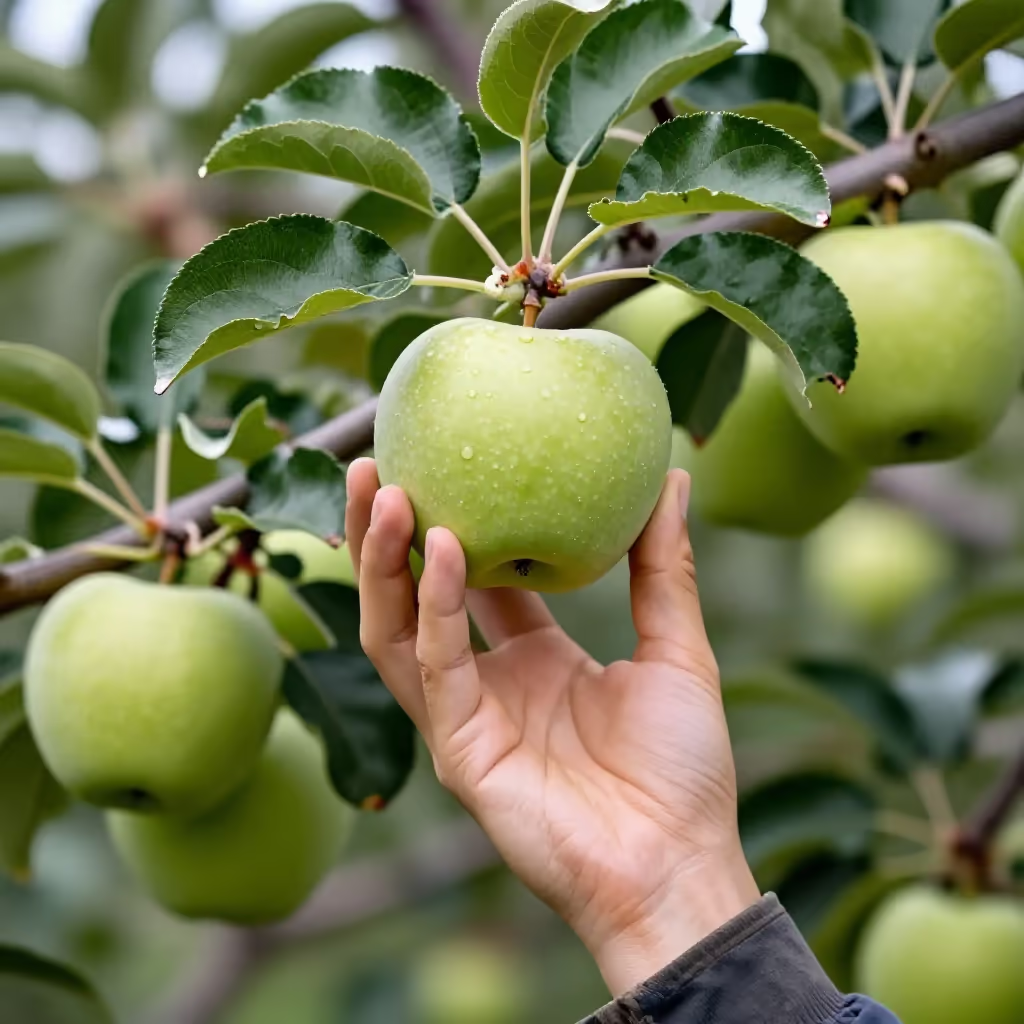
Refers to the state of fruit or vegetables that are not yet ripe.
Die Bananen sind noch grün, lass sie noch ein paar Tage liegen.
The bananas are still green; leave them for a few more days.
green
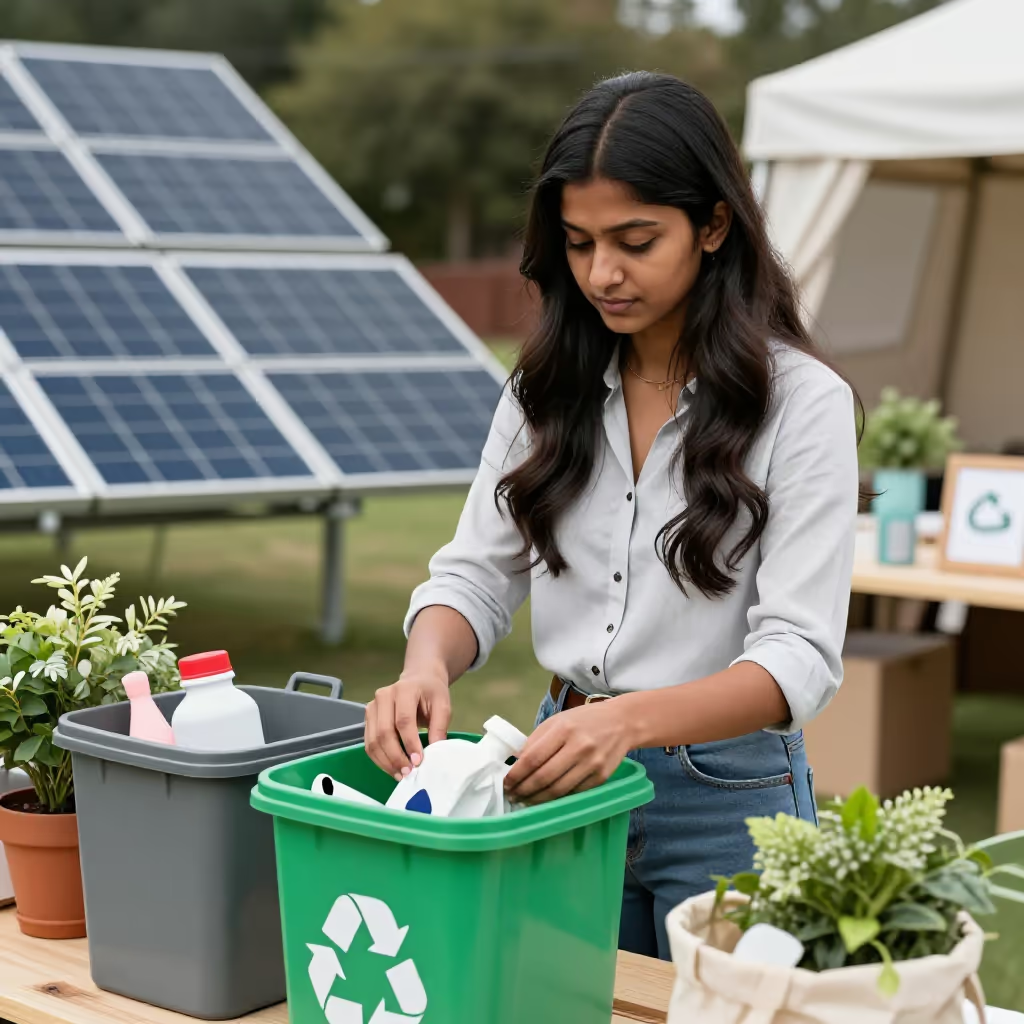
Refers to topics related to environmental protection, ecology, and sustainability.
Immer mehr Menschen achten auf einen grünen Lebensstil.
More and more people are paying attention to a green lifestyle.

green
Describes a person who is inexperienced, new to a field, or naive.
Der neue Praktikant ist noch ziemlich grün und muss viel lernen.
The new intern is still pretty green and has a lot to learn.
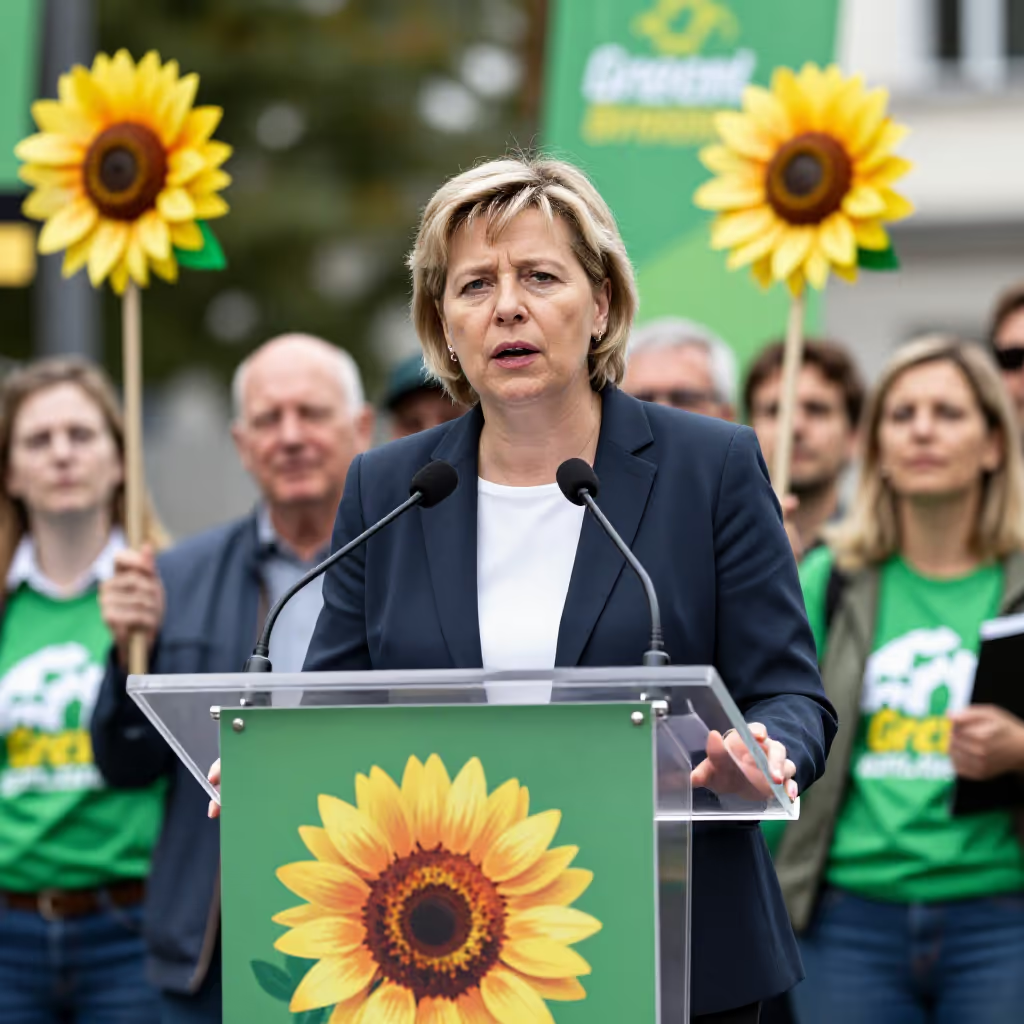
Green
Refers to the political orientation associated with the party Bündnis 90/Die Grünen or similar parties.
Bei der letzten Wahl hat sie zum ersten Mal grün gewählt.
In the last election, she voted Green for the first time.
Other words are derived from the adjective 'grün' (green), for example the noun 'das Grün' (the color green or plants/greenery) or the verb 'ergrünen' (to turn green).
Im Frühling ergrünen die Bäume wieder.
In spring, the trees turn green again.
Besides the traffic light meaning, there is the fixed expression 'grünes Licht geben' (to give the green light). This means to grant permission or approval for a project or action.
Die Chefin hat uns grünes Licht für das neue Projekt gegeben.
The boss gave us the green light for the new project.
In this meaning, 'grün' (green) is used almost exclusively for fruit and vegetables. It describes the state before ripeness.
Diese Erdbeeren sind noch ganz grün, die kann man noch nicht essen.
These strawberries are still completely green; you can't eat them yet.
The color green is often used metaphorically for nature and environmental protection. People then speak of 'grüner Energie' (green energy), 'grünen Technologien' (green technologies), or 'grünen Produkten' (green products).
Das Unternehmen wirbt damit, nur noch grüne Energie zu nutzen.
The company advertises that it now uses only green energy.
The idiom 'noch grün hinter den Ohren sein' (to still be green behind the ears) describes a person who is very young, naive, and inexperienced. It is often used in a slightly mocking way.
Als ich meine erste Stelle antrat, war ich noch ziemlich grün hinter den Ohren.
When I started my first job, I was still pretty green behind the ears.
In a political context, 'grün' (Green) refers to the party 'Bündnis 90/Die Grünen' or its political content. For example, one can say 'grün wählen' (to vote Green) or speak of 'grüner Politik' (Green politics).
Die neue Regierung hat viele grüne Themen im Programm.
The new government has many Green issues in its program.
sustainable / lasting
Grün and nachhaltig can both describe environmentally conscious business practices. Grün is a broad term for an ecological orientation, while nachhaltig emphasizes that the environment and natural resources are protected in the long term. Use grün for general positioning and nachhaltig for long-term effects.
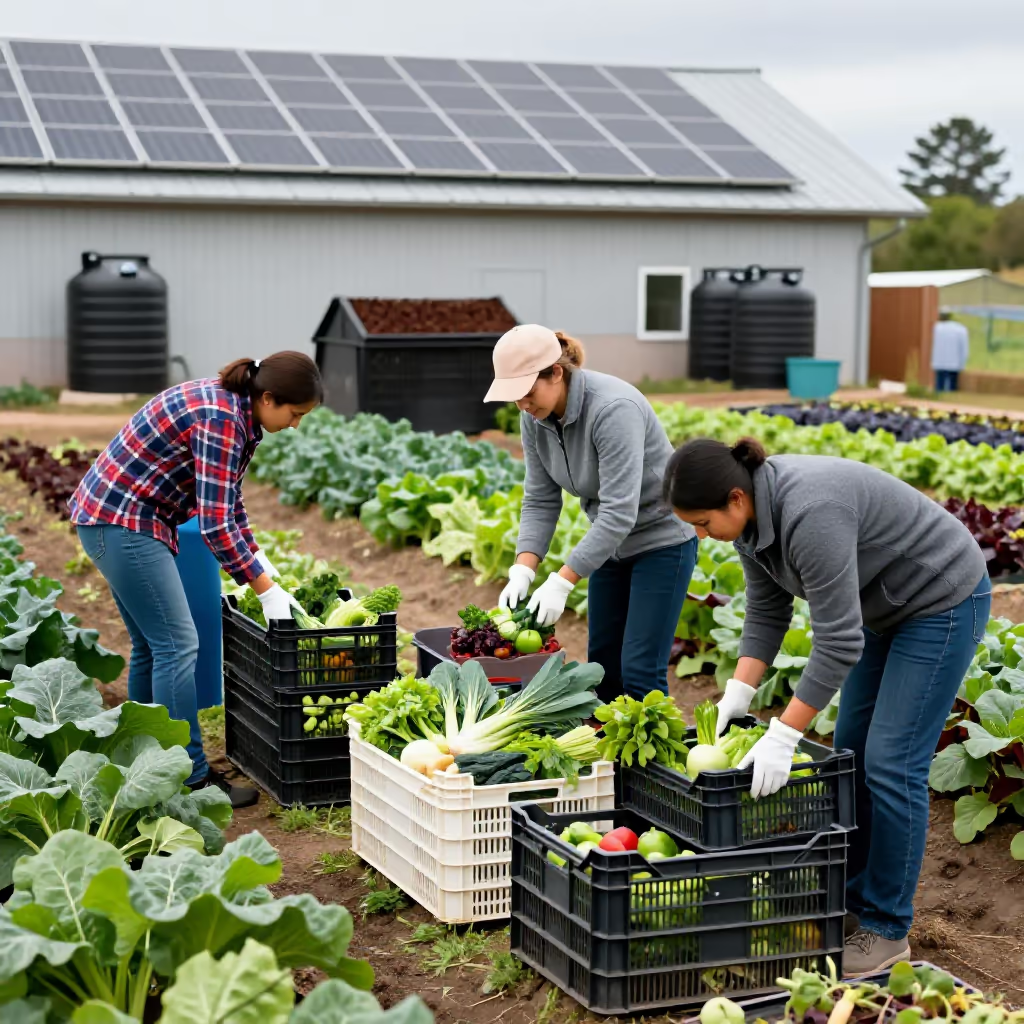
Das Unternehmen präsentiert sich mit seiner neuen Verpackung als grün.
With its new packaging, the company presents itself as green.
Das Unternehmen verwendet eine Verpackung, die Ressourcen für zukünftige Generationen nachhaltig schont.
The company uses packaging that sustainably conserves resources for future generations.