


haken
to hook
To catch or hold something with a hook, or attach it to a hook.
EXAMPLE
Sie hakte die Leine an das Halsband des Hundes.
She hooked the leash onto the dog's collar.
to hook / catch / jam
haken – hakte – hat gehakt
Loading your saved state.
to hook
To catch or hold something with a hook, or attach it to a hook.
Sie hakte die Leine an das Halsband des Hundes.
She hooked the leash onto the dog's collar.
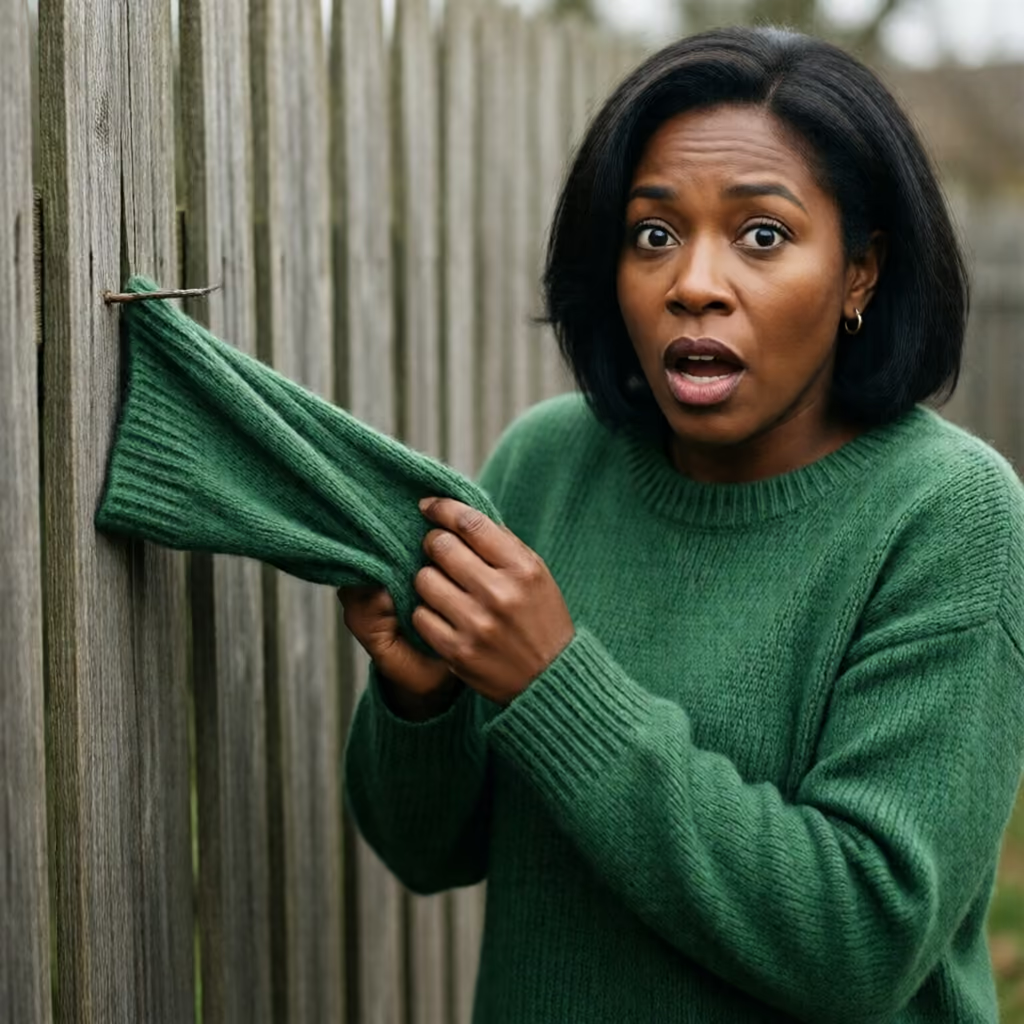
to catch on
To remain caught on a hook or become caught on a hook.
Der Stoff hakte an einem hervorstehenden Nagel.
The fabric caught on a protruding nail.
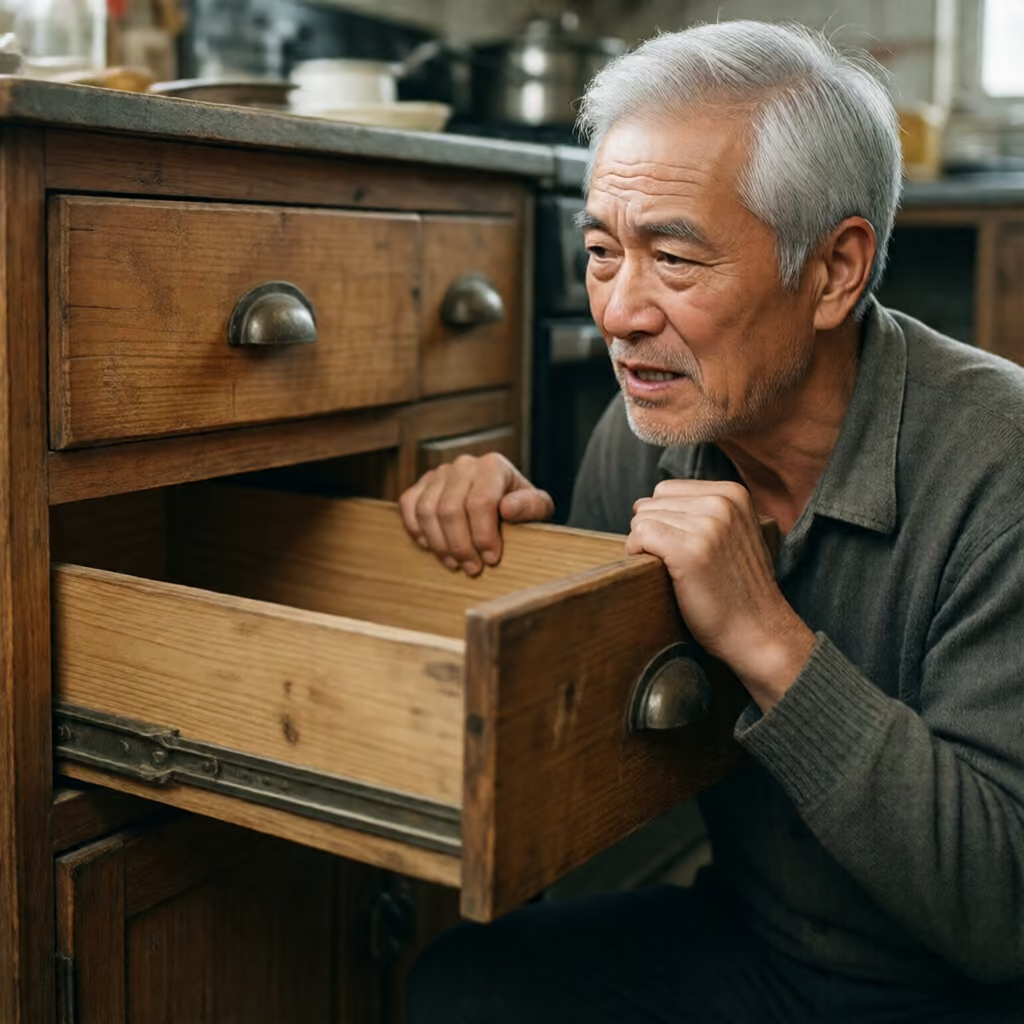
to jam
To fail to work smoothly or without friction; to cause difficulties. This meaning is especially used for doors, drawers, or technical devices.
Die alte Schublade hakt beim Öffnen.
The old drawer jams when you open it.

to run into difficulties
To fail to proceed without problems or to cause difficulties at a particular point.
Bei der Umsetzung des Plans hakt es noch an mehreren Stellen.
There are still several points where the implementation of the plan is running into difficulties.
| ich | hake |
|---|---|
| du | hakst |
| er/sie/es | hakt |
| wir | haken |
| ihr | hakt |
| sie | haken |
| ich | hakte |
|---|---|
| du | haktest |
| er/sie/es | hakte |
| wir | hakten |
| ihr | haktet |
| sie | hakten |
| ich | habe gehakt |
|---|---|
| du | hast gehakt |
| er/sie/es | hat gehakt |
| wir | haben gehakt |
| ihr | habt gehakt |
| sie | haben gehakt |
| du | hake! hak! |
|---|---|
| ihr | hakt! |
| Sie | haken Sie! |
| ich | hatte gehakt |
|---|---|
| du | hattest gehakt |
| er/sie/es | hatte gehakt |
| wir | hatten gehakt |
| ihr | hattet gehakt |
| sie | hatten gehakt |
| ich | werde haken |
|---|---|
| du | wirst haken |
| er/sie/es | wird haken |
| wir | werden haken |
| ihr | werdet haken |
| sie | werden haken |
| ich | hake |
|---|---|
| du | hakest |
| er/sie/es | hake |
| wir | haken |
| ihr | haket |
| sie | haken |
Used for reported speech.
| ich | hakte |
|---|---|
| du | haktest |
| er/sie/es | hakte |
| wir | hakten |
| ihr | haktet |
| sie | hakten |
Used for wishes and “would”.
| infinitive | haken |
|---|---|
| with zu | zu haken |
| present participle | hakend |
| past participle | gehakt |
In this meaning, the thing being caught or attached usually comes directly after 'haken' (to hook) in the accusative. Common collocations occur especially when fishing or attaching something with a hook.
Der Angler hakte den großen Hecht sicher.
The angler securely hooked the large pike.
Sie hakte den Eimer an die Metallstange.
She hooked the bucket onto the metal bar.
When something catches on a hook or a protruding object, 'an' (on) with the dative often follows. The verb then describes what the object catches on.
Mein Pullover hakte an einem Ast.
My sweater caught on a branch.
Die Tasche hakte an der Türklinke.
The bag caught on the door handle.
With doors, drawers, and devices, 'haken' (to jam) is often used with 'beim' (when) and a nominalized infinitive. This describes the action during which something fails to work smoothly.
Die Haustür hakt beim Schließen.
The front door jams when you close it.
Der Reißverschluss hakt beim Öffnen der Jacke.
The zipper jams when you open the jacket.
For general difficulties, the impersonal construction 'es hakt' (there are problems / things are getting stuck) is often used. The specific point of difficulty is frequently introduced with 'an' (at) and the dative.
Bei der Anmeldung hakt es noch an der technischen Prüfung.
There are still problems with the technical check during registration.
In unserem Zeitplan hakt es an mehreren Stellen.
There are difficulties at several points in our schedule.