

heften
to staple
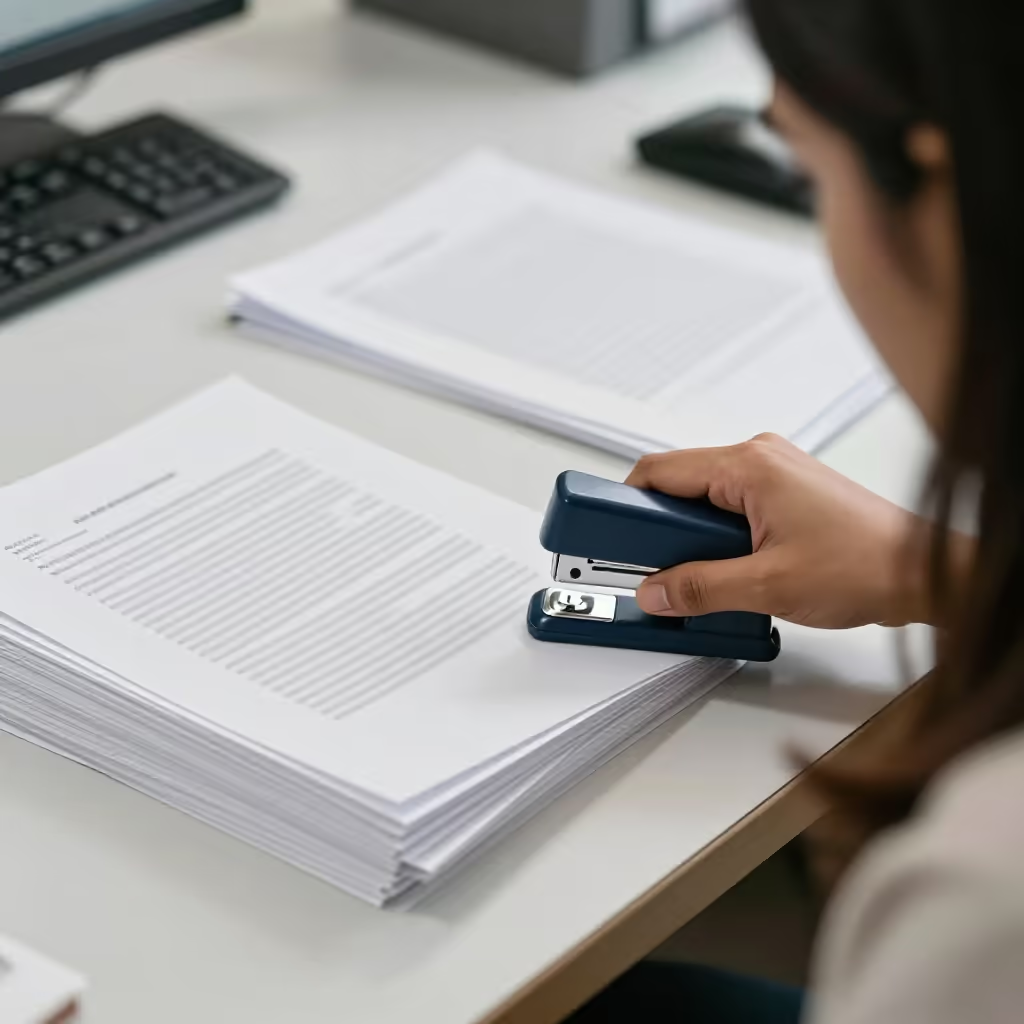
To join several sheets of paper with a staple, usually using a stapler.
EXAMPLE
Könntest du mir die Dokumente bitte in der richtigen Reihenfolge heften?
Could you please staple the documents for me in the correct order?
to staple / baste
Loading your saved state.
to staple
To join several sheets of paper with a staple, usually using a stapler.
Könntest du mir die Dokumente bitte in der richtigen Reihenfolge heften?
Could you please staple the documents for me in the correct order?
to baste
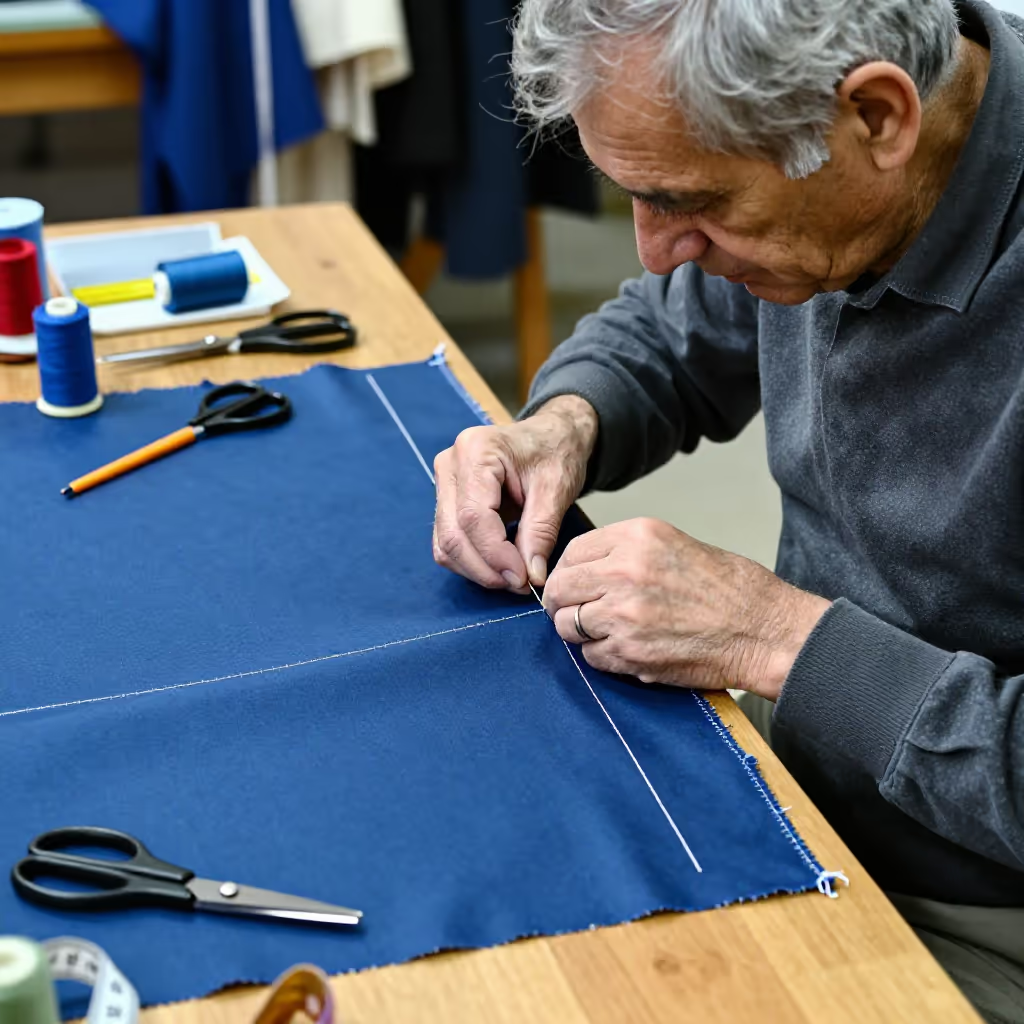
To sew pieces of fabric together temporarily with large, loose stitches before the final sewing.
Die Schneiderin heftet zuerst das Kleid, um die Passform zu prüfen.
The tailor first bastes the dress to check the fit.

to fix one's gaze
To direct one's gaze firmly and motionlessly at a person or object.
Er saß am Fenster und heftete seinen Blick auf die vorbeiziehenden Wolken.
He sat by the window and fixed his gaze on the passing clouds.

to follow closely
To follow someone closely and persistently; to pursue someone.
Der Detektiv heftete sich an die Fersen des Verdächtigen.
The detective followed closely on the suspect's heels.
The verb 'heften' (to staple/baste) is related to the noun 'das Heft' (notebook). Both share the basic idea of fastening or joining something together.
Die losen Blätter wurden zu einem kleinen Heft geheftet.
The loose sheets were stapled into a small booklet.
When it comes to paper, 'heften' (to staple) is often used with objects such as 'Dokumente' (documents), 'Rechnungen' (invoices), or 'lose Blätter' (loose sheets). You can also say that you staple something 'zusammen' (together).
Bitte hefte alle Rechnungen für die Buchhaltung zusammen.
Please staple all the invoices together for accounting.
In the meaning 'provisorisch nähen' (to sew temporarily), 'heften' (to baste) is a technical term from tailoring and sewing.
Bevor ich die Hose richtig nähe, hefte ich sie nur schnell, um die Länge zu prüfen.
Before I sew the pants properly, I'll just baste them quickly to check the length.
The expression 'den Blick auf etwas heften' (to fix one's gaze on something) is fixed. The object is always 'der Blick' (the gaze), and the direction is indicated with the preposition 'auf' plus accusative.
Das Kind heftete seinen Blick auf das bunte Spielzeug im Schaufenster.
The child fixed his gaze on the colorful toy in the shop window.
This meaning is used in the fixed reflexive expression 'sich an jemandes Fersen heften' (to follow closely on someone's heels). It expresses persistent pursuit.
Die Polizei heftete sich sofort an die Fersen des flüchtigen Bankräubers.
The police immediately followed closely on the fleeing bank robber's heels.
to infect / pin on / set fire to
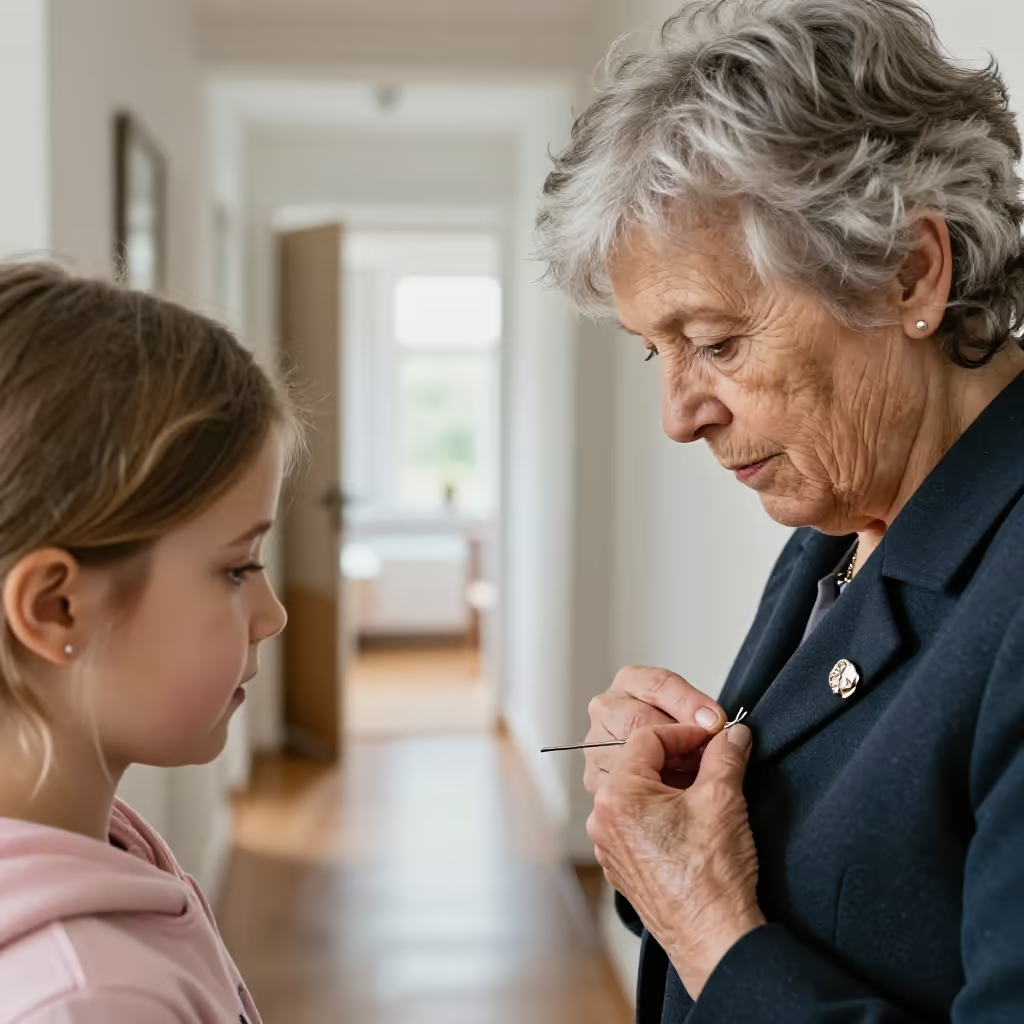
With paper, anstecken means attaching a note to something else with a needle or pin. heften, by contrast, means joining several sheets together with a staple.
Lara heftet die drei Blätter mit einer Heftklammer zusammen.
Lara stapled the three sheets together.
Lara steckt den Zettel mit einer Nadel an die Pinnwand.
Lara pinned the note to the bulletin board with a pin.