


hie und da
now and then
Sometimes or occasionally; at irregular intervals.
EXAMPLE
Wir treffen uns noch hie und da zum Kaffee.
We still meet here and there for coffee.
here and there / here
Loading your saved state.
now and then
Sometimes or occasionally; at irregular intervals.
Wir treffen uns noch hie und da zum Kaffee.
We still meet here and there for coffee.
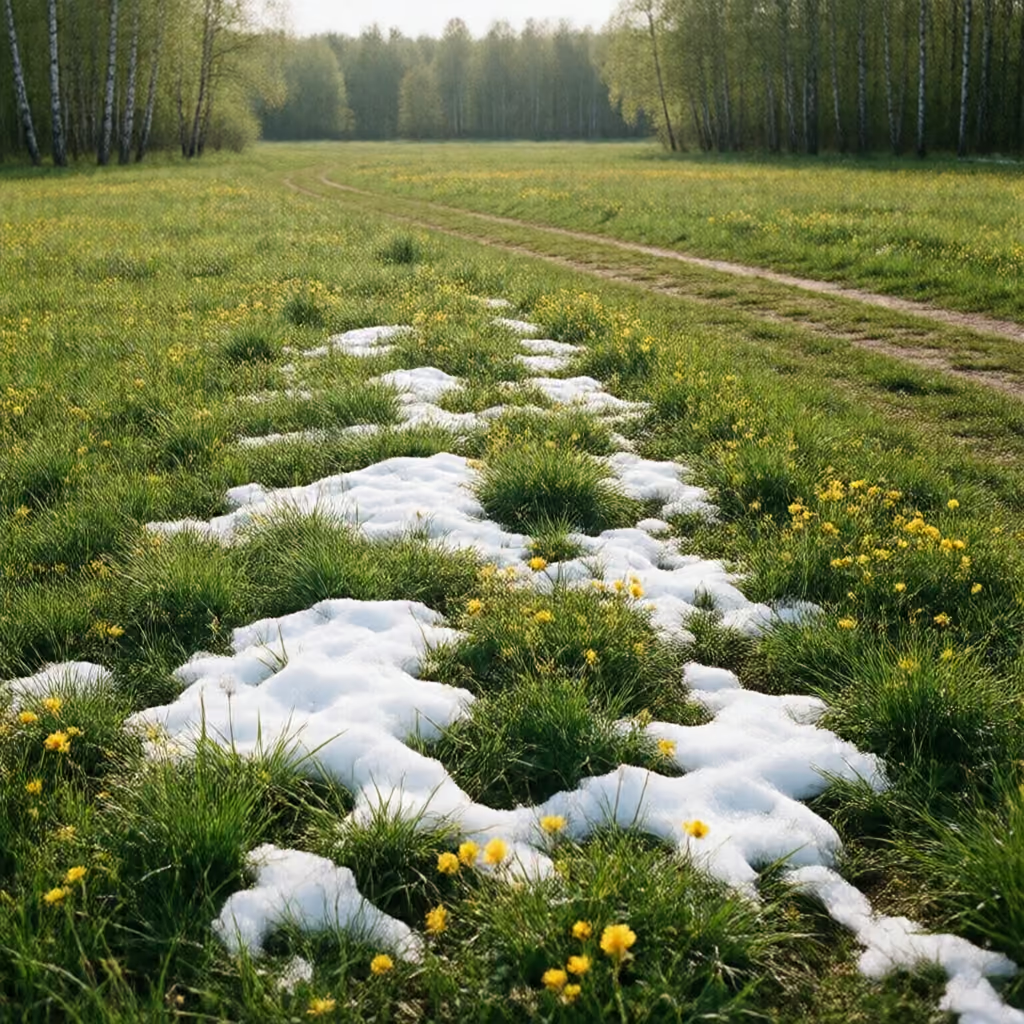
here and there
In individual, scattered places or locations.
Auf den Wiesen lag hie und da noch Schnee.
There was still snow here and there in the meadows.

here
An old-fashioned or poetic word for “hier” (here): at this place or on this side.
Hie standen die Ritter, dort warteten ihre Gegner.
Here stood the knights, while their opponents waited there.
For occasional events, “hie und da” (here and there) is usually used as a fixed adverbial expression. It can, for example, be used with verbs relating to meeting, seeing, or appearing.
Hie und da besucht er noch seine ehemaligen Kollegen.
Here and there, he still visits his former colleagues.
When “hie und da” (here and there) refers to scattered places or locations, it often appears in descriptions of landscapes, rooms, or surfaces. Nouns such as “Wiesen” (meadows), “Häuser” (houses), or “Bäume” (trees) provide a spatial context.
Zwischen den Felsen wuchsen hie und da kleine Blumen.
Small flowers grew here and there between the rocks.
As a standalone word, “hie” (here) is now mainly archaic or poetic. It occurs especially in literary, historical, or deliberately formal texts, where it can form a contrast between locations together with “dort” (there).
Hie erhob sich die Burg, dort begann der dunkle Wald.
Here rose the castle; there began the dark forest.