


hochgehen
to go up
To move upward or go to a higher place.
EXAMPLE
Wir gingen die Treppe hoch, weil der Aufzug kaputt war.
We went up the stairs because the elevator was broken.
to go up / rise
hochgehen – ging hoch – ist hochgegangen
Loading your saved state.
to go up
To move upward or go to a higher place.
Wir gingen die Treppe hoch, weil der Aufzug kaputt war.
We went up the stairs because the elevator was broken.

to rise
To increase or go up, especially when referring to prices, figures, or values; also used for a curtain or barrier rising.
Die Preise sind im letzten Jahr deutlich hochgegangen.
Prices rose significantly last year.
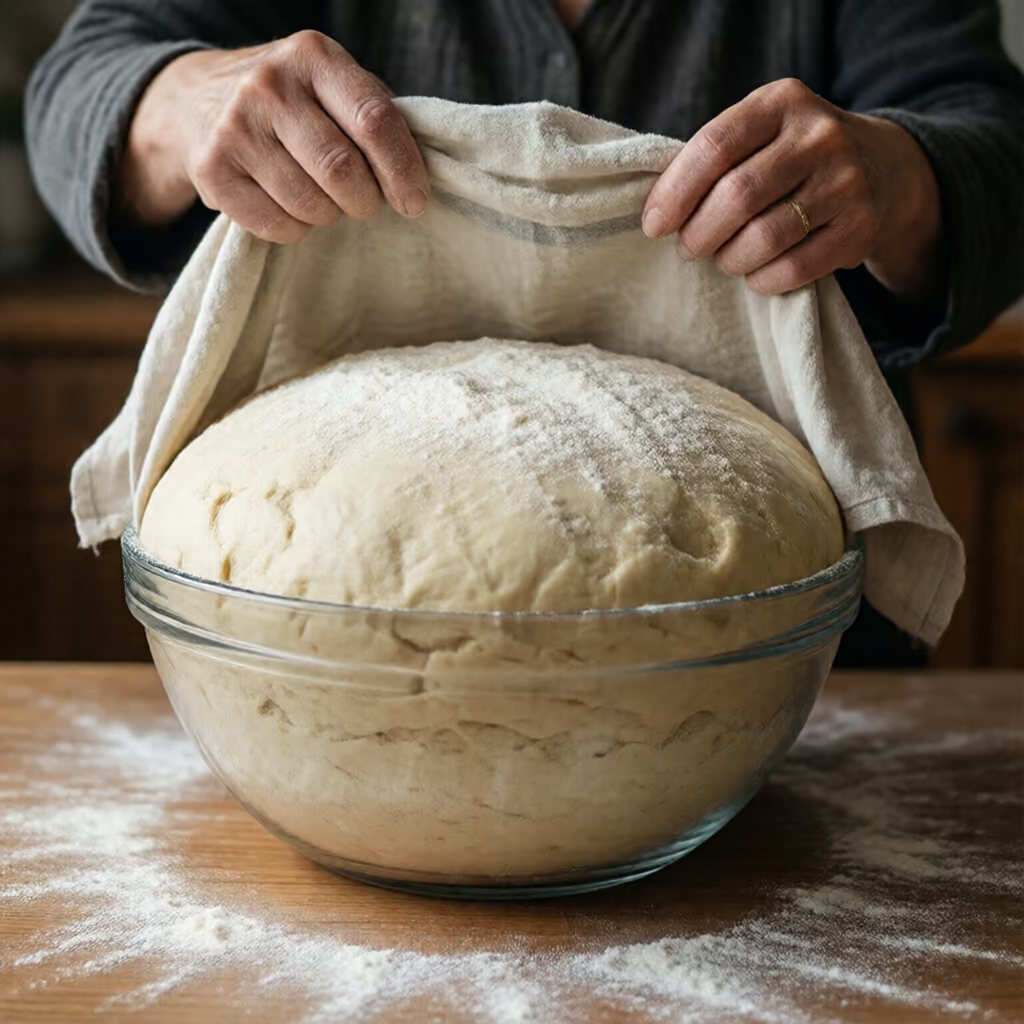
to rise
To rise and become larger, especially when referring to dough due to yeast or a leavening agent.
Der Hefeteig muss noch eine Stunde hochgehen.
The yeast dough still needs to rise for another hour.

to explode
To explode or be destroyed by an explosion.
Die Bombe ging kurz nach Mitternacht hoch.
The bomb exploded shortly after midnight.

to blow up
To suddenly become angry or very annoyed.
Als ich ihn darauf ansprach, ging er sofort hoch.
When I brought it up with him, he blew up immediately.

to be busted
To be discovered and arrested by the police as a perpetrator or criminal group.
Die Einbrecherbande ist nach wenigen Wochen hochgegangen.
The burglary gang was busted after a few weeks.
| ich | gehe hoch |
|---|---|
| du | gehst hoch |
| er/sie/es | geht hoch |
| wir | gehen hoch |
| ihr | geht hoch |
| sie | gehen hoch |
| ich | ging hoch |
|---|---|
| du | gingst hoch |
| er/sie/es | ging hoch |
| wir | gingen hoch |
| ihr | gingt hoch |
| sie | gingen hoch |
| ich | bin hochgegangen |
|---|---|
| du | bist hochgegangen |
| er/sie/es | ist hochgegangen |
| wir | sind hochgegangen |
| ihr | seid hochgegangen |
| sie | sind hochgegangen |
| du | geh hoch! gehe hoch! |
|---|---|
| ihr | geht hoch! |
| Sie | gehen Sie hoch! |
| ich | war hochgegangen |
|---|---|
| du | warst hochgegangen |
| er/sie/es | war hochgegangen |
| wir | waren hochgegangen |
| ihr | wart hochgegangen |
| sie | waren hochgegangen |
| ich | werde hochgehen |
|---|---|
| du | wirst hochgehen |
| er/sie/es | wird hochgehen |
| wir | werden hochgehen |
| ihr | werdet hochgehen |
| sie | werden hochgehen |
| ich | gehe hoch |
|---|---|
| du | gehest hoch |
| er/sie/es | gehe hoch |
| wir | gehen hoch |
| ihr | gehet hoch |
| sie | gehen hoch |
Used for reported speech.
| ich | ginge hoch |
|---|---|
| du | gingest hoch |
| er/sie/es | ginge hoch |
| wir | gingen hoch |
| ihr | ginget hoch |
| sie | gingen hoch |
Used for wishes and “would”.
| infinitive | hochgehen |
|---|---|
| with zu | hochzugehen |
| present participle | hochgehend |
| past participle | hochgegangen |
'Hochgehen' (to go up) consists of 'hoch' (up) and 'gehen' (to go) and is separable. In a main clause, 'hoch' usually comes at the end of the sentence; in a subordinate clause, both parts stay together. In the infinitive with 'zu', 'zu' goes between the two parts.
Der Hund geht die steile Treppe hoch.
The dog goes up the steep stairs.
Ich warte unten, während du kurz hochgehst.
I’ll wait downstairs while you go up for a moment.
Es ist anstrengend, den ganzen Weg hochzugehen.
It’s tiring to walk all the way up.
The intended meaning is often clear from the subject and the complements: people or paths indicate movement, prices and figures indicate an increase, dough indicates rising, and buildings or gas canisters indicate an explosion.
Die Mieten sind in diesem Viertel stark hochgegangen.
Rents have risen sharply in this neighborhood.
Der Teig geht neben der Heizung langsam hoch.
The dough is slowly rising next to the heater.
Bei dem Unfall ist eine Gasflasche hochgegangen.
A gas canister exploded in the accident.
For the meaning of movement, 'hochgehen' (to go up) is often used with a location, for example 'die Treppe' (the stairs), 'den Berg' (the mountain), or 'auf den Dachboden' (up to the attic). The location indicates where the upward movement leads.
Wir gehen nach dem Essen noch auf den Dachboden hoch.
After dinner, we’re going up to the attic.
For prices, figures, and values, 'hochgehen' (to rise) describes an increase. The increase is often specified with 'um' (by) and a specific number.
Die Benzinpreise sind innerhalb eines Monats um zehn Prozent hochgegangen.
Gas prices rose by ten percent within a month.
In baking, 'hochgehen' (to rise) is a typical verb for dough that becomes larger and lighter due to yeast or a leavening agent. 'Lassen' (to let) is often used with the infinitive 'hochgehen' (to rise).
Lass den Pizzateig an einem warmen Ort hochgehen.
Let the pizza dough rise in a warm place.
In the meaning 'explodieren' (to explode), 'hochgehen' (to explode) is often used with gas canisters, mines, bombs, or buildings. This usage is especially common in the news and in spoken language.
Während des Brandes ging die alte Lagerhalle plötzlich hoch.
The old warehouse suddenly exploded during the fire.
When describing an angry reaction, 'hochgehen' (to blow up) is often intensified by adverbs such as 'sofort' (immediately), 'schnell' (quickly), or 'gleich' (right away). The person is the subject.
Bei jeder kleinen Kritik geht mein Kollege sofort hoch.
My colleague immediately blows up at every little criticism.
In this meaning, a group is often the subject. 'Jemanden hochgehen lassen' (to get someone busted) means to inform on or expose a person or group to the police. This usage is colloquial and common in crime reports.
Ein Informant hat den Drogenring hochgehen lassen.
An informant got the drug ring busted.