

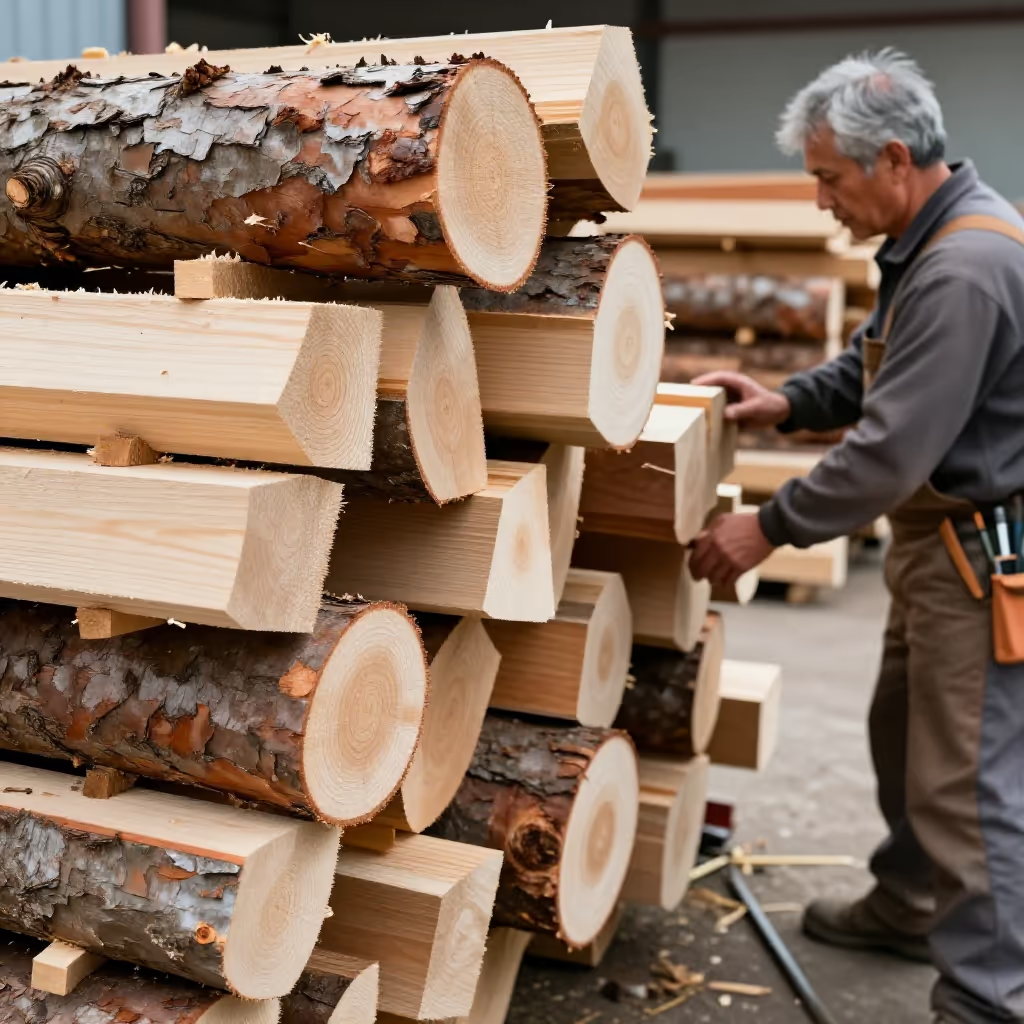
das Holz
wood
The hard, fibrous material that the trunk and branches of trees and shrubs consist of and that is used as a building material or fuel.
EXAMPLE
Der Tisch ist aus massivem Holz gefertigt.
The table is made of solid wood.
wood
Loading your saved state.
wood
The hard, fibrous material that the trunk and branches of trees and shrubs consist of and that is used as a building material or fuel.
Der Tisch ist aus massivem Holz gefertigt.
The table is made of solid wood.

to knock on wood
A superstitious action in which one knocks three times on a wooden surface to ward off bad luck or wish for good luck.
Bisher bin ich unfallfrei gefahren, toi, toi, toi – schnell auf Holz klopfen!
So far I’ve been driving without any accidents, touch wood—quick, knock on wood!
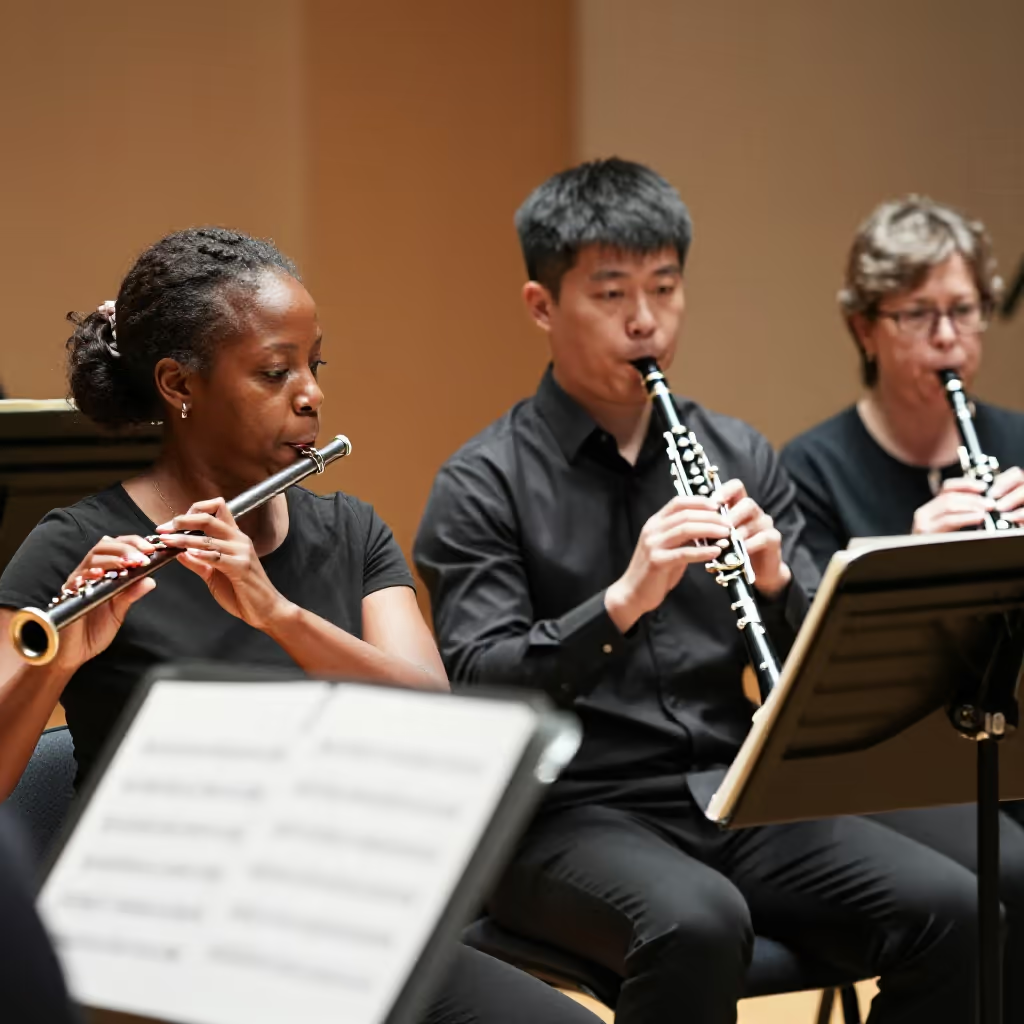
woodwinds
In an orchestra, the group of woodwind instruments, such as the flute, clarinet, or oboe.
Bei diesem Stück hat das Holz eine besonders wichtige Rolle.
In this piece, the woodwinds play a particularly important role.
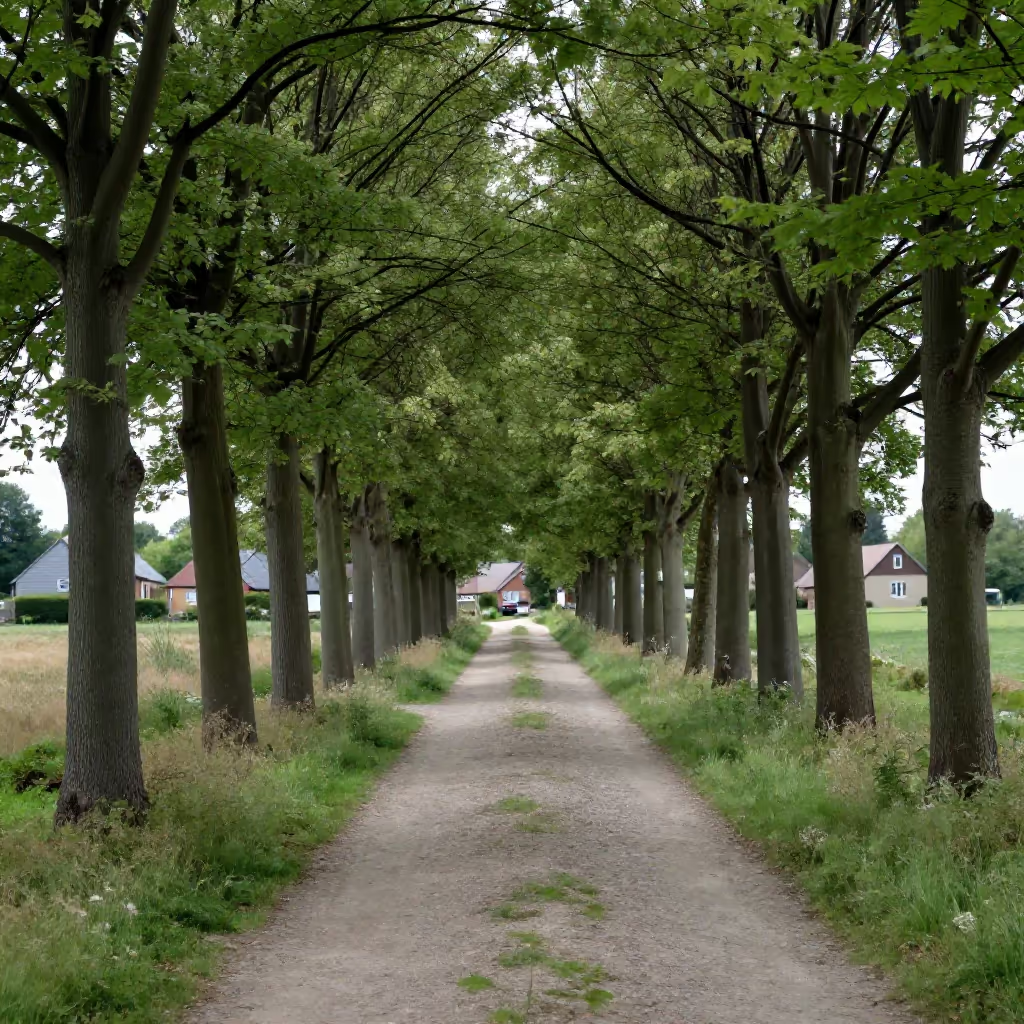
wood / grove
A small piece of forest; a grove.
Hinter dem Haus beginnt gleich das Holz, wo wir oft spazieren gehen.
Right behind the house the wood begins, where we often go for walks.
'Holz' (wood) is a very productive base word for many compounds. Examples include 'Holzhaus' (wooden house/house made of wood), 'Brennholz' (firewood/wood for burning), or 'Holzfigur' (wooden figure/figure made of wood).
Im Winter heizen wir unseren Ofen mit Brennholz.
In winter, we heat our stove with firewood.
To describe the material an object is made of, 'Holz' (wood) is very often used with the preposition 'aus' (made of/from). The structure is: 'etwas ist aus Holz' (something is made of wood).
Meine neue Brille ist aus Holz.
My new glasses are made of wood.
The expression 'auf Holz klopfen' (to knock on wood) is used to express that you hope something good will stay that way or that no bad luck will happen. Often, people actually knock three times on a wooden surface when saying it.
Ich war noch nie ernsthaft krank. Schnell auf Holz klopfen!
I’ve never been seriously ill. Quick, knock on wood!
If you hear 'Holz' (wood) in the context of classical music or an orchestra, it refers to the woodwind instruments (e.g. flute, clarinet, oboe).
In diesem Satz des Konzerts hat das Holz eine wunderschöne Melodie.
In this movement of the concerto, the woodwinds have a beautiful melody.
The meaning 'Wäldchen' (small wood/grove) is rather rare today and often sounds poetic or somewhat old-fashioned. It can sometimes still be found in regional dialects or in literary texts.
Die Kinder spielten den ganzen Tag im Holz hinter dem Bauernhof.
The children played all day in the wood behind the farm.
forest
Wald is the general term for a larger area densely covered with trees. Holz can also refer to a piece of forest regionally or in older usage, but typically means a small wood or grove. In general modern usage, Wald is usually the more appropriate choice.
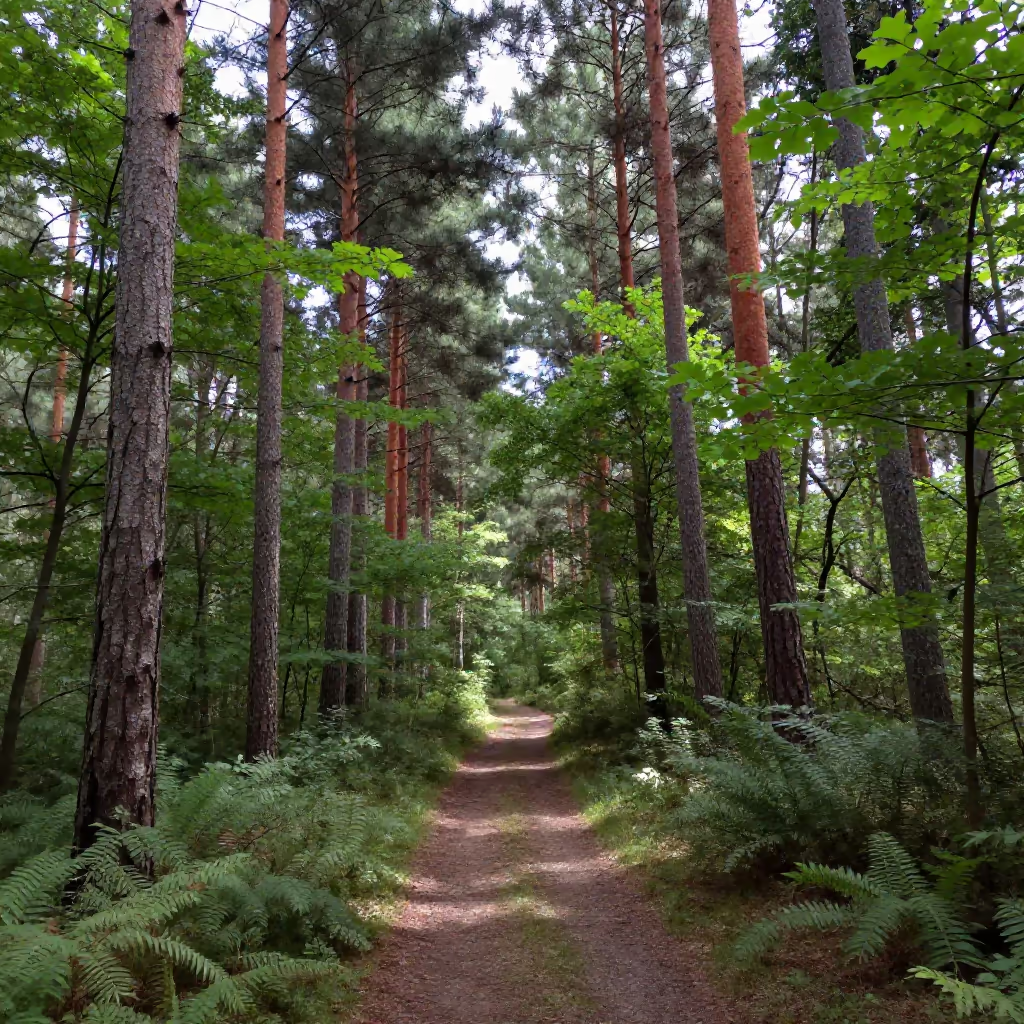
Hinter dem Dorf liegt ein kleines Holz.
There is a small wood behind the village.
Hinter dem Dorf erstreckt sich ein großer Wald.
A large forest stretches out behind the village.