

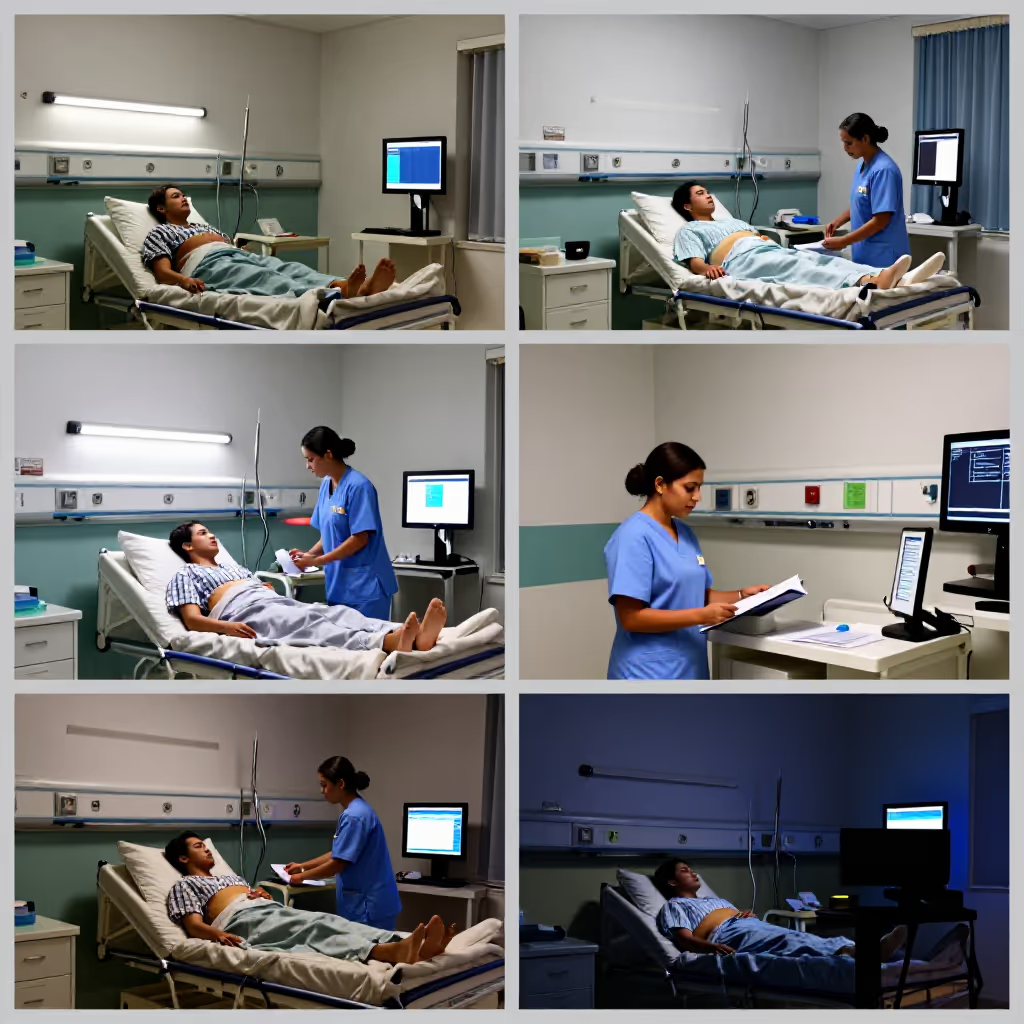
immer
always
At all times, without exception; constantly.
EXAMPLE
Er kommt immer zu spät zur Arbeit.
He always comes to work late.
always
Loading your saved state.
always
At all times, without exception; constantly.
Er kommt immer zu spät zur Arbeit.
He always comes to work late.
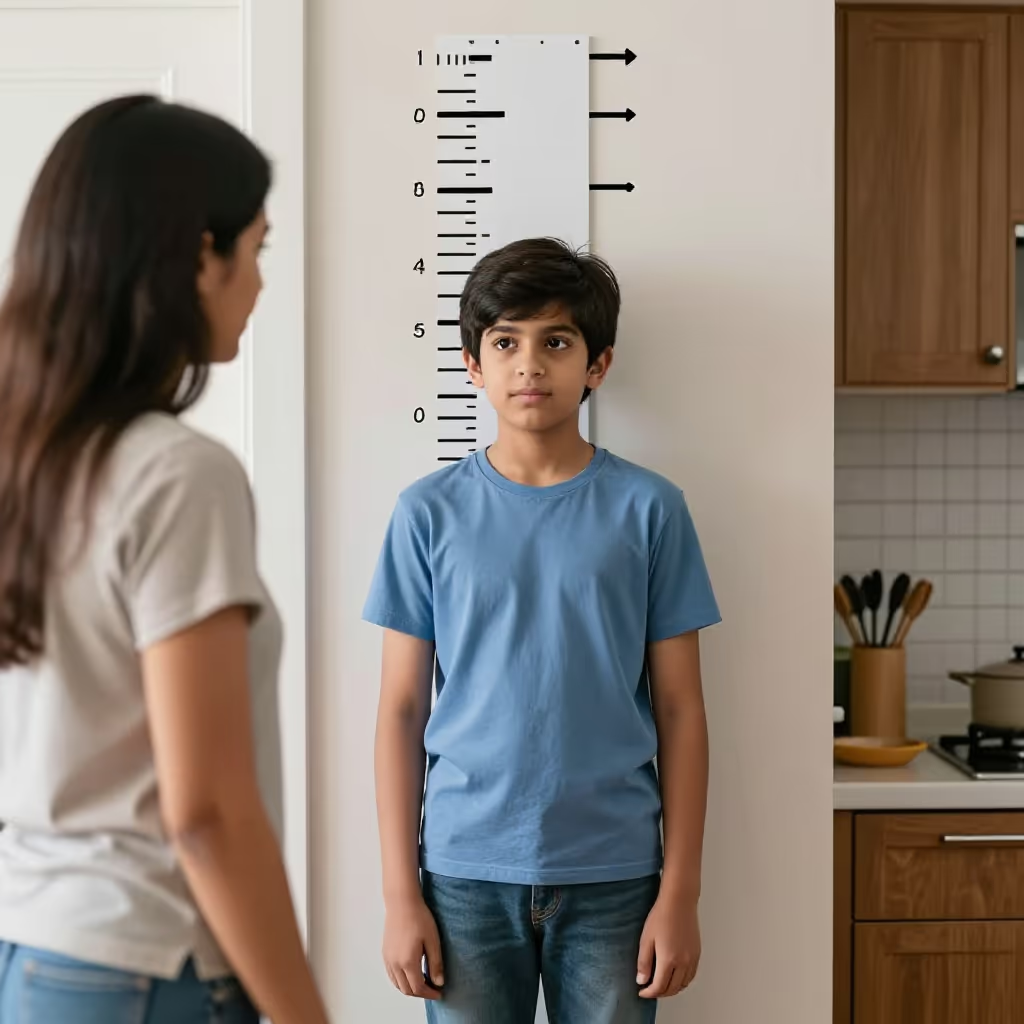
increasingly
Used for intensification with a comparative and means 'increasingly' or 'progressively'.
Die Technologie entwickelt sich immer schneller.
Technology is developing increasingly faster.

still
Expresses that a state or action is continuing; still.
Wohnst du immer noch in derselben Wohnung?
Do you still live in the same apartment?

again and again
Expresses that something happens repeatedly or several times.
Obwohl er es versucht, macht er immer wieder den gleichen Fehler.
Although he tries, he makes the same mistake again and again.
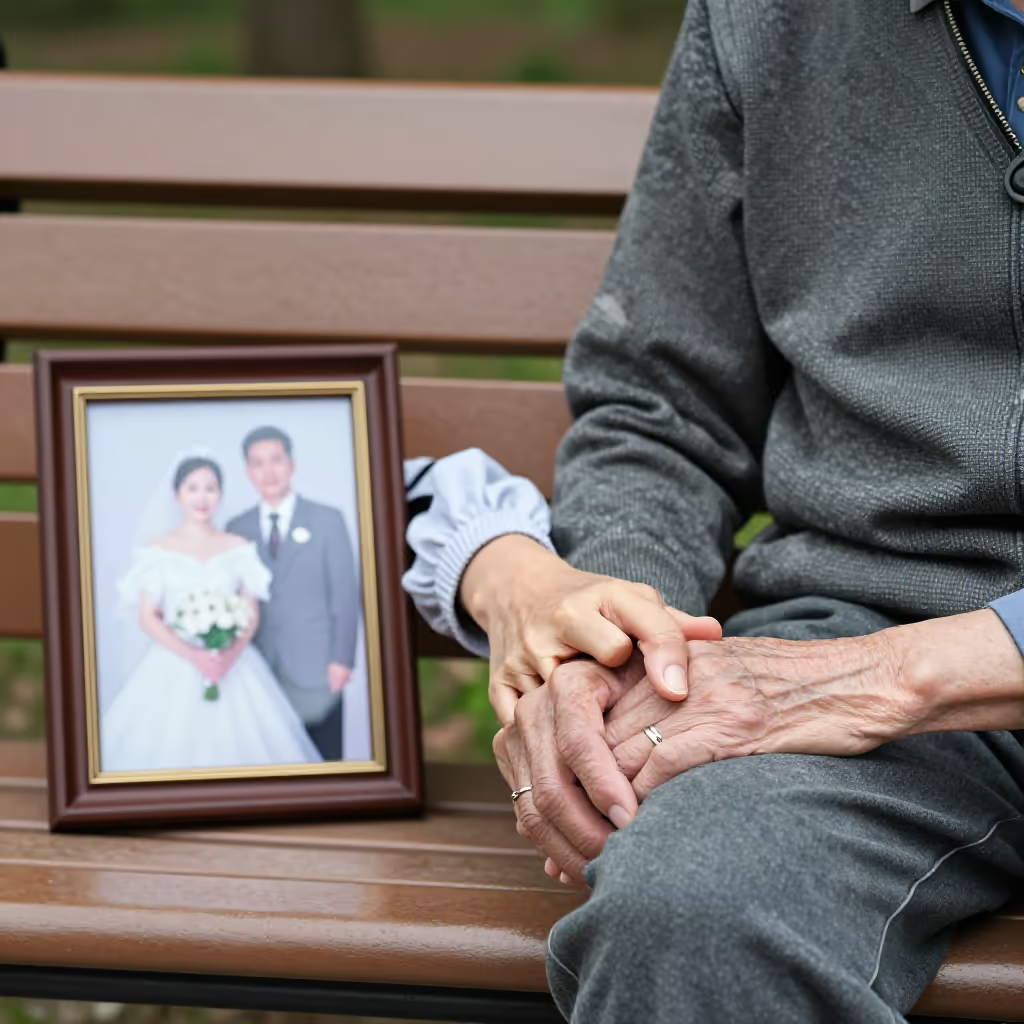
forever
For all time, eternally.
Manche Kinder glauben, die Sommerferien dauern für immer.
Some children believe that summer vacation lasts forever.
'Immer' (always) typically comes directly after the conjugated verb. When it appears at the beginning of a sentence to emphasize time, the verb follows directly after it (inversion).
Sie trinkt morgens immer einen Kaffee.
She always drinks a coffee in the morning.
The structure 'immer + Komparativ' (always + comparative), e.g., 'schneller' (faster), 'besser' (better), 'mehr' (more), means 'increasingly' or 'progressively'. It describes a continuous increase.
Das Leben in der Stadt wird immer teurer.
Life in the city is becoming increasingly expensive.
The combination 'immer noch' (still) means 'continuing' and emphasizes that a state has not changed. It can also express slight surprise or impatience.
Er wartet immer noch auf eine Antwort auf seine Bewerbung.
He is still waiting for a response to his application.
The combination 'immer wieder' (again and again) means 'repeatedly' or 'several times'. It describes an action that happens again at regular or irregular intervals.
Er vergisst immer wieder seinen Schlüssel.
He keeps forgetting his key.
The expression 'für immer' (forever) means 'eternally' or 'for all time'. It is often used in emotional or absolute contexts.
Sie versprachen sich, für immer Freunde zu bleiben.
They promised each other to remain friends forever.
respectively / each
Immer and jeweils can refer to recurring appointments. Immer emphasizes that something happens at every appointment without exception; jeweils assigns the action to each individual appointment. Choose immer for repetition without exceptions and jeweils for distribution across the individual cases.

Bei den Kontrollterminen misst die Ärztin immer zuerst den Blutdruck.
At the follow-up appointments, the doctor always measures the patient's blood pressure first.
Bei den Kontrollterminen misst die Ärztin jeweils zuerst den Blutdruck.
At the follow-up appointments, the doctor measures the patient's blood pressure first each time.