

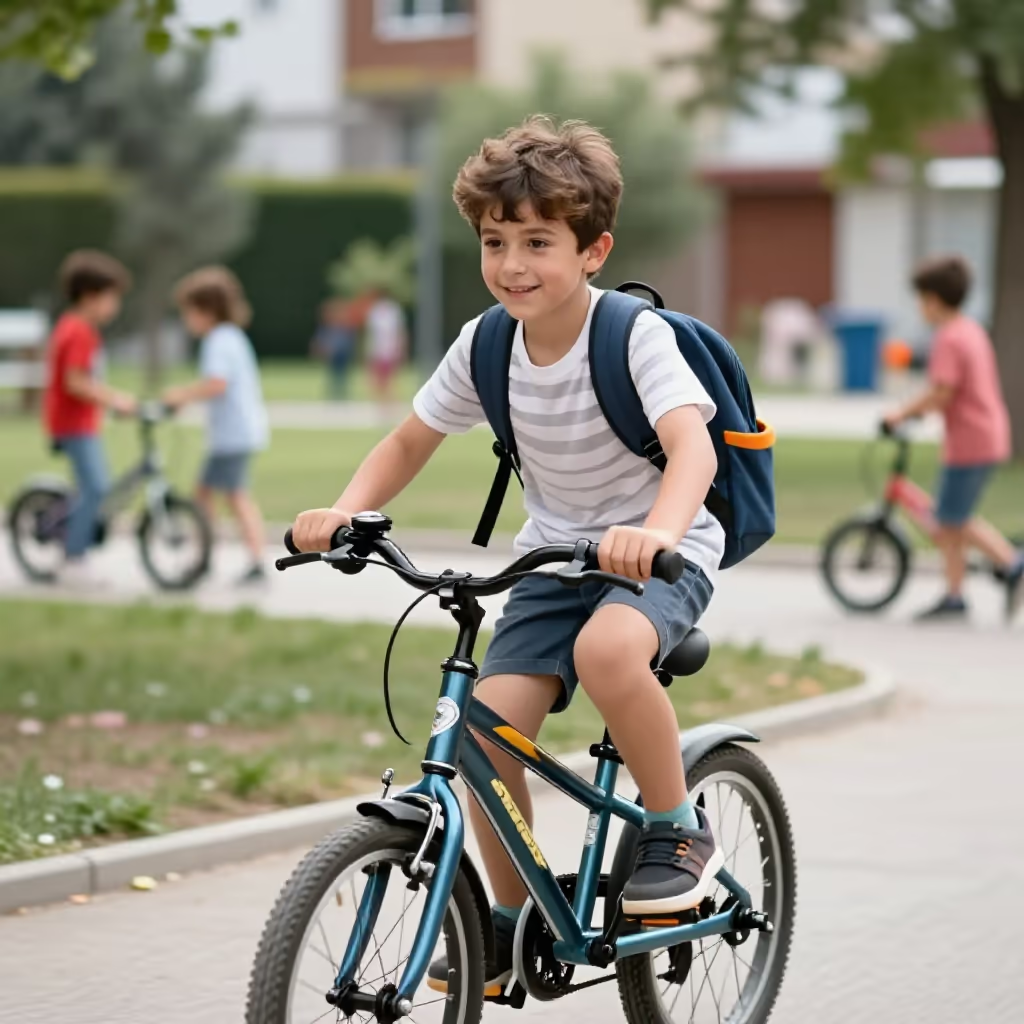
der Junge
boy
A male child or a young man in adolescence.
EXAMPLE
Der Junge spielt mit seinem Ball im Park.
The boy is playing with his ball in the park.
boy
Loading your saved state.
boy
A male child or a young man in adolescence.
Der Junge spielt mit seinem Ball im Park.
The boy is playing with his ball in the park.

boy
Used colloquially as a direct form of address for a young man, often with a familiar, admonishing, or surprised undertone.
Junge, pass auf, wo du hinläufst!
Boy, watch where you're going!
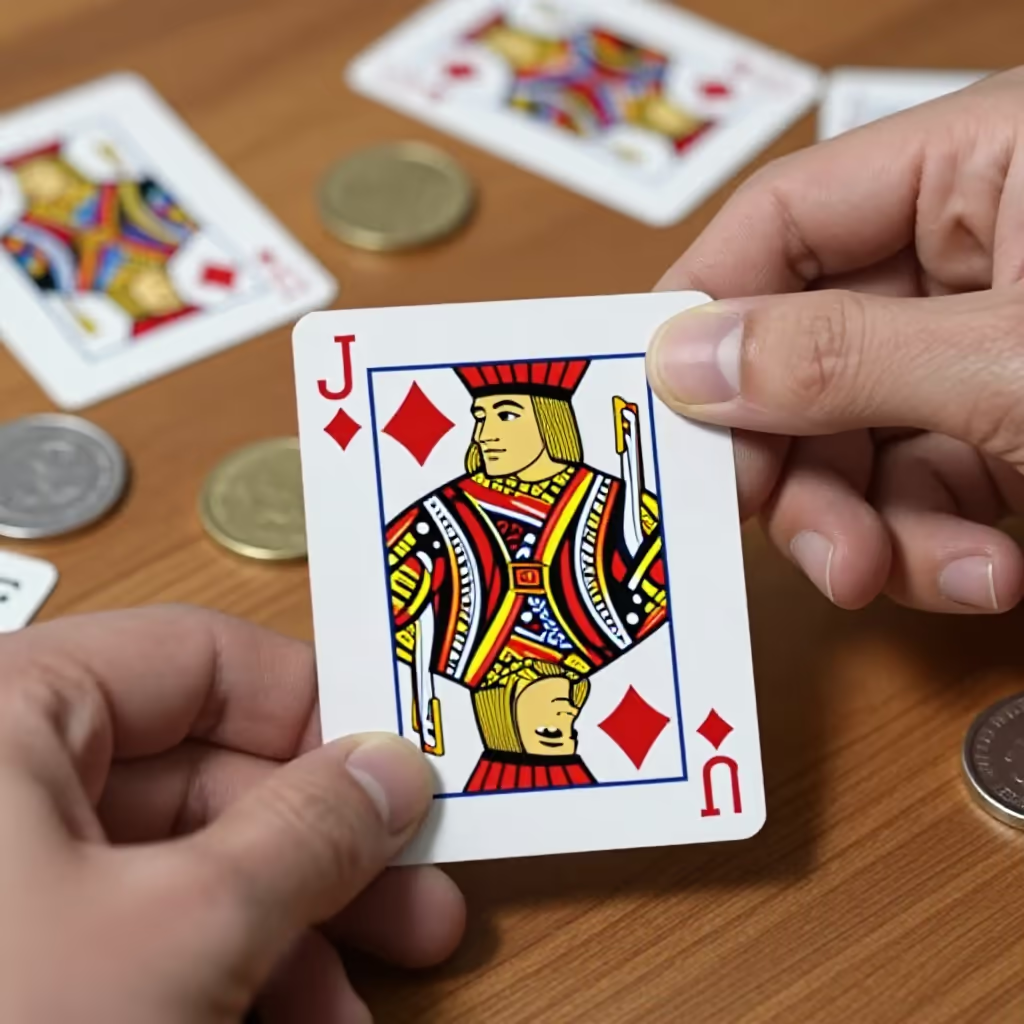
jack
The playing card 'Bube' (jack) in certain German card games such as Skat or Schafkopf.
Beim Skat ist der Kreuz-Junge der höchste Trumpf.
In Skat, the jack of clubs is the highest trump.
'Der Junge' (the boy) is a weak noun (N-declension). This means it gets the ending '-n' or '-en' in all cases except the nominative singular. This is a very common mistake.
Ich helfe dem Jungen bei den Hausaufgaben.
I help the boy with his homework.
The noun 'der Junge' (the boy) is derived directly from the adjective 'jung' (young). It literally describes a young male person.
Mein kleiner Bruder ist noch sehr jung.
My little brother is still very young.
As an exclamation or form of address, 'Junge!' (boy!) or 'Junge, Junge!' (boy oh boy!) is used colloquially to express surprise, a warning, or sometimes annoyance.
Junge, Junge, war das ein spannendes Spiel!
Boy oh boy, that was an exciting game!
If you play cards in Germany, especially Skat, 'der Junge' can mean the playing card 'Bube' (English: jack). The context of the game makes the meaning clear.
Mit den beiden Jungen auf der Hand konnte er das Spiel gewinnen.
With the two jacks in his hand, he was able to win the game.
age
Alter! and Junge! can be familiar forms of address expressing an emotional reaction. Alter! sounds like a colloquial exclamation among people who know each other and can express surprise, annoyance, or excitement. Junge! is addressed to a young man and often has an admonishing or astonished undertone.
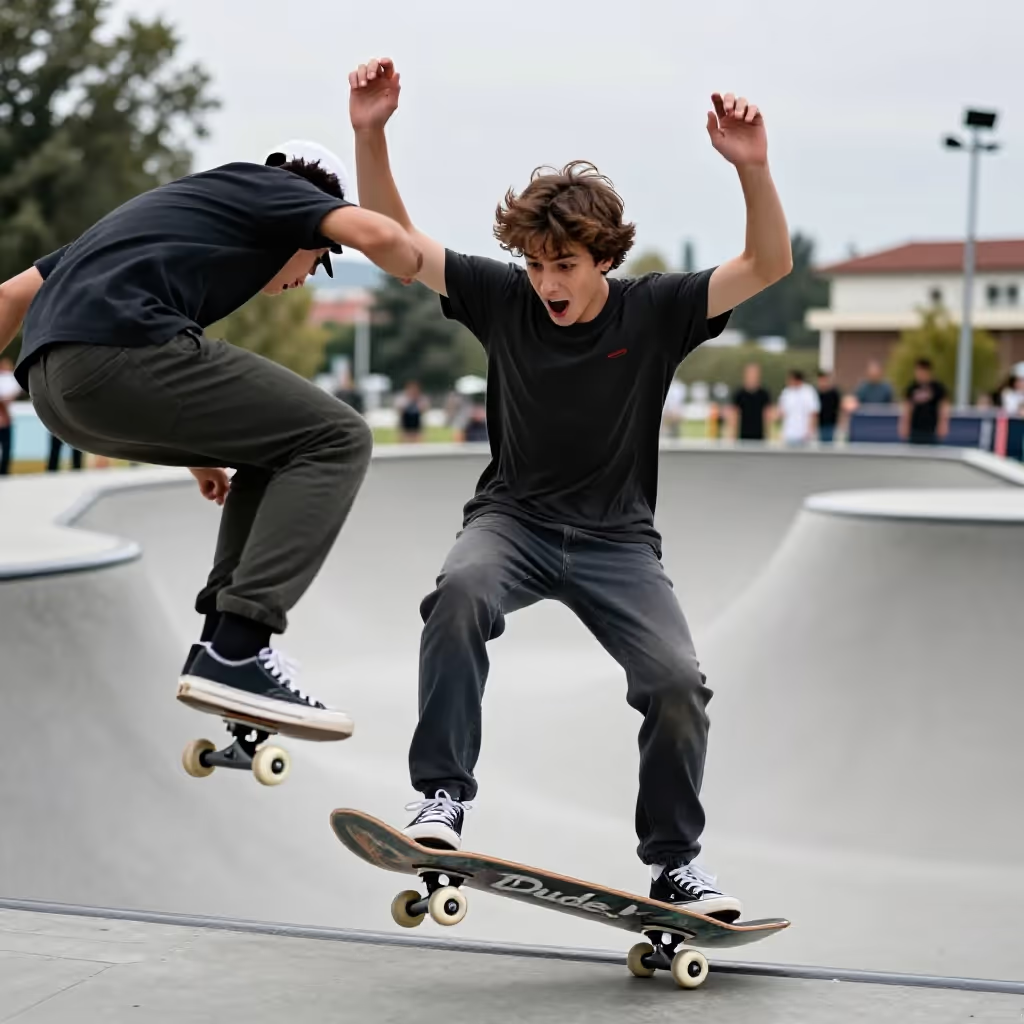
Junge, sei beim nächsten Sprung bitte etwas vorsichtiger!
Boy, please be a little more careful on your next jump!
Alter, dein letzter Sprung war wirklich beeindruckend!
Dude, your last jump was really impressive!