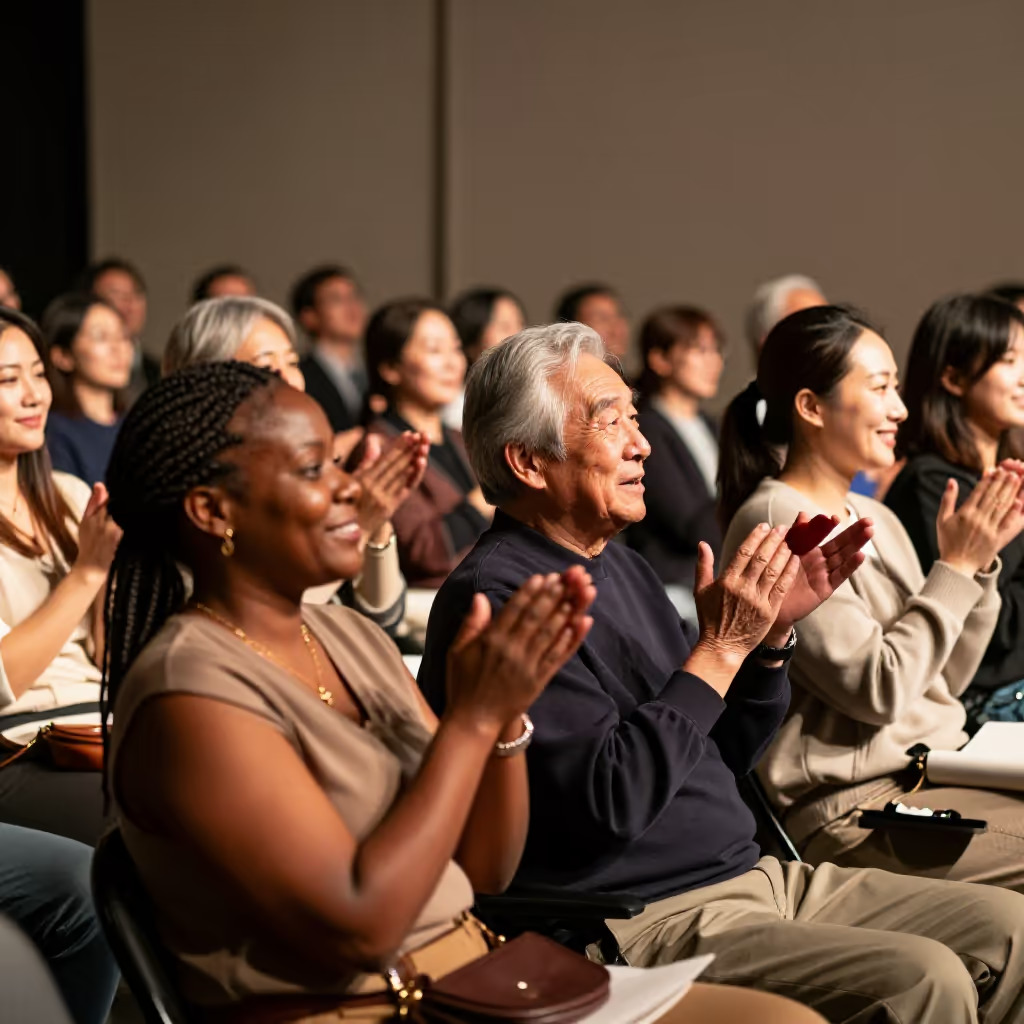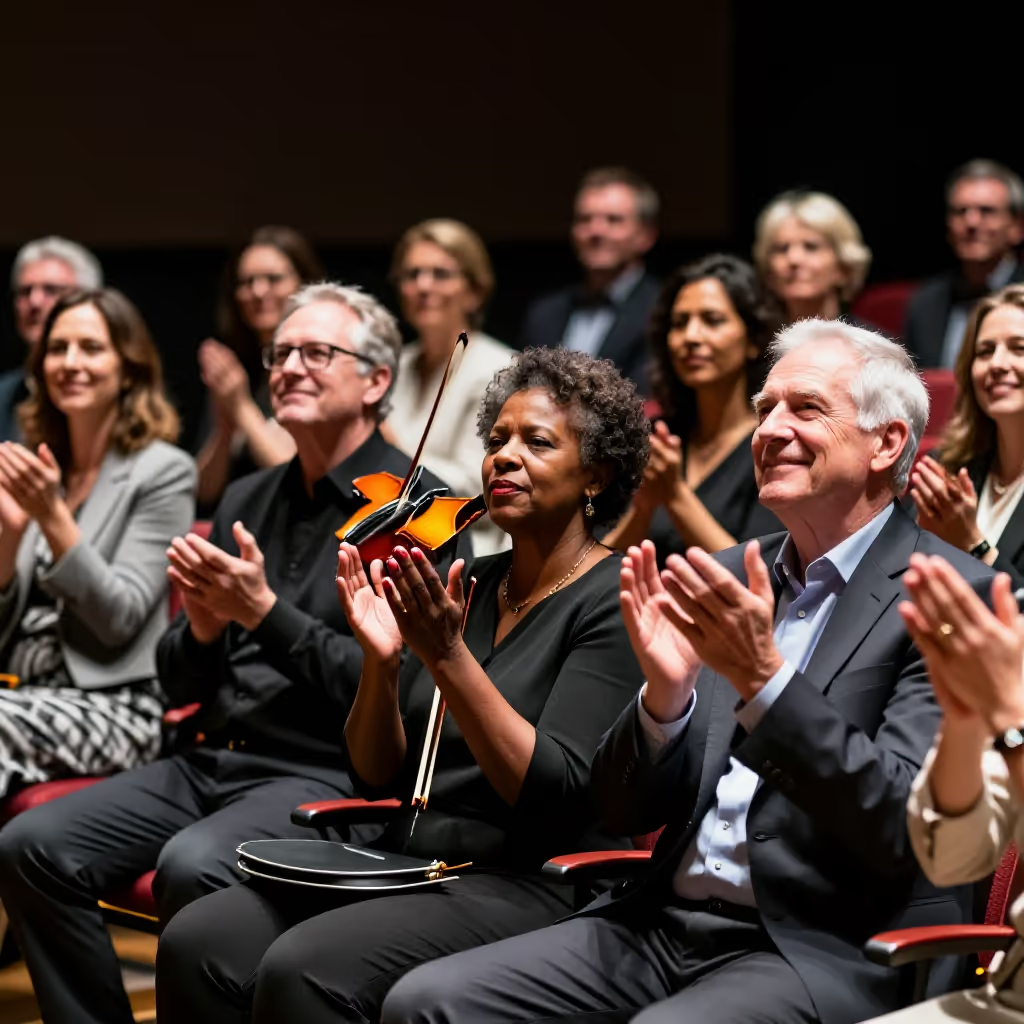
To repeatedly strike the hands together to produce a sound, usually as a sign of approval (applause) or to create a rhythm.
example
Nach dem Konzert klatschte das Publikum begeistert.
After the concert, the audience clapped enthusiastically.

Usage tips
Context clues
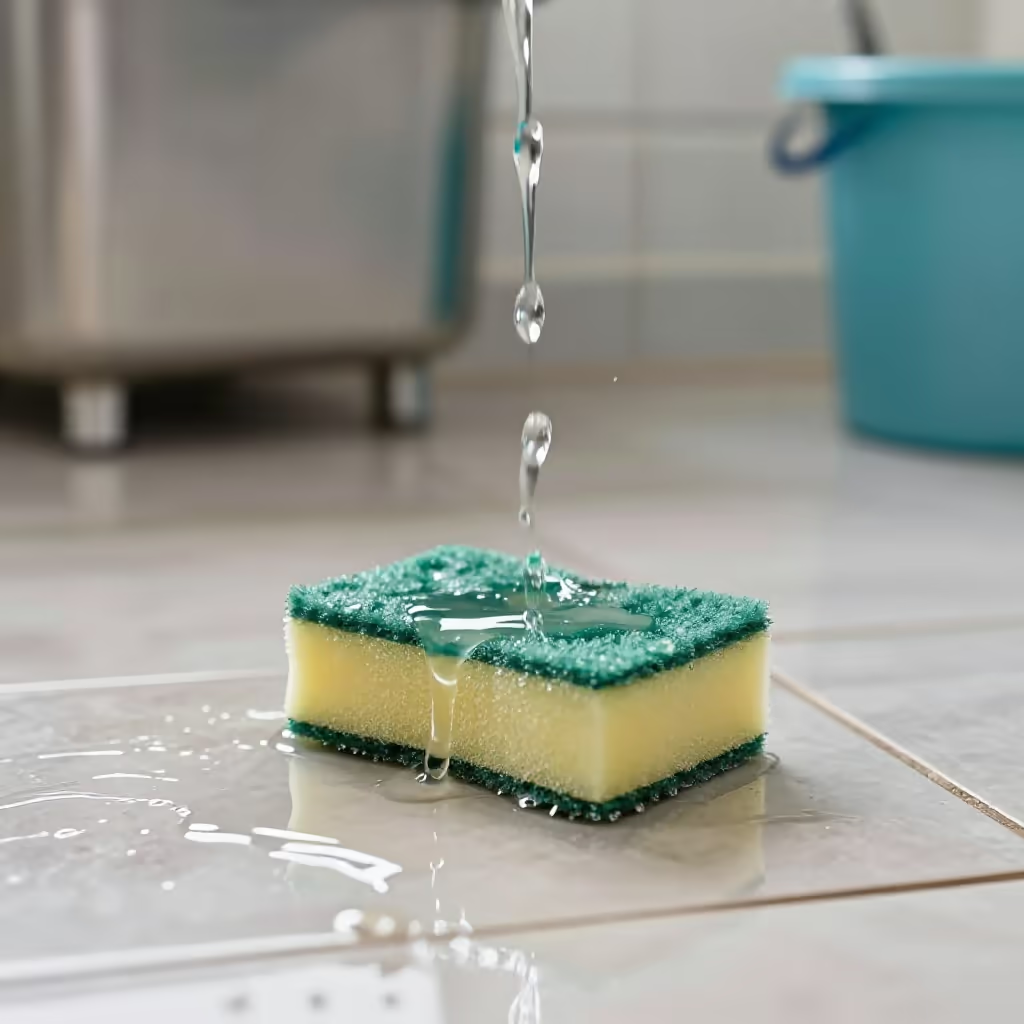
You can recognize the meaning of 'klatschen' (to clap/gossip/slap) from the context. If it is about applause, hands or an audience are often involved. When it means gossiping, the preposition 'über' (+ accusative) is a clear signal. If an object is making the sound, wetness or wind is often mentioned.
EXAMPLE
Alle klatschten, als der Redner fertig war.
Everyone clapped when the speaker was finished.
Typical collocations
When it is about applause, the phrase 'in die Hände klatschen' (to clap one's hands) is often used. You can also say 'Beifall klatschen' (to applaud) to emphasize the approving intention.
EXAMPLE
Die kleinen Kinder lernten im Kreis zu singen und in die Hände zu klatschen.
The little children learned to sing in a circle and clap their hands.
Sentence structure: gossiping
In the meaning 'tratschen' (to gossip), 'klatschen' (to gossip) is always used with the preposition 'über' and the accusative. The object after 'über' is the person or topic being talked about.
EXAMPLE
Sie saßen stundenlang im Café und klatschten über die ganze Stadt.
They sat in the café for hours and gossiped about the whole town.
Fixed expression
The colloquial expression 'jemandem eine klatschen' (to slap someone) means to give someone a slap. The person who is hit is always in the dative.
EXAMPLE
Er wurde so wütend, dass er seinem Gegner am liebsten eine geklatscht hätte.
He got so angry that he would have loved to slap his opponent.
Compare with
near_synonym · confusable
klatschen vs schlagen
to hit / beat
'schlagen' and 'klatschen' can both have to do with a quick movement and a sound. 'schlagen' generally means that you hit someone or something forcefully. 'klatschen' is often used when the hands strike each other, for example during applause. In the phrase 'jemandem eine klatschen', it colloquially means to slap someone. The words can be confused because 'klatschen' can sometimes also mean a hit. Without this phrase, however, it is usually not about violence against a person.
klatschen
Nach dem Konzert klatschte das Publikum lange.
After the concert, the audience clapped for a long time.
schlagen
Anna schlug mit der Hand auf den Tisch, weil niemand ihr zuhörte.
Anna hit the table with her hand because no one was listening to her.