

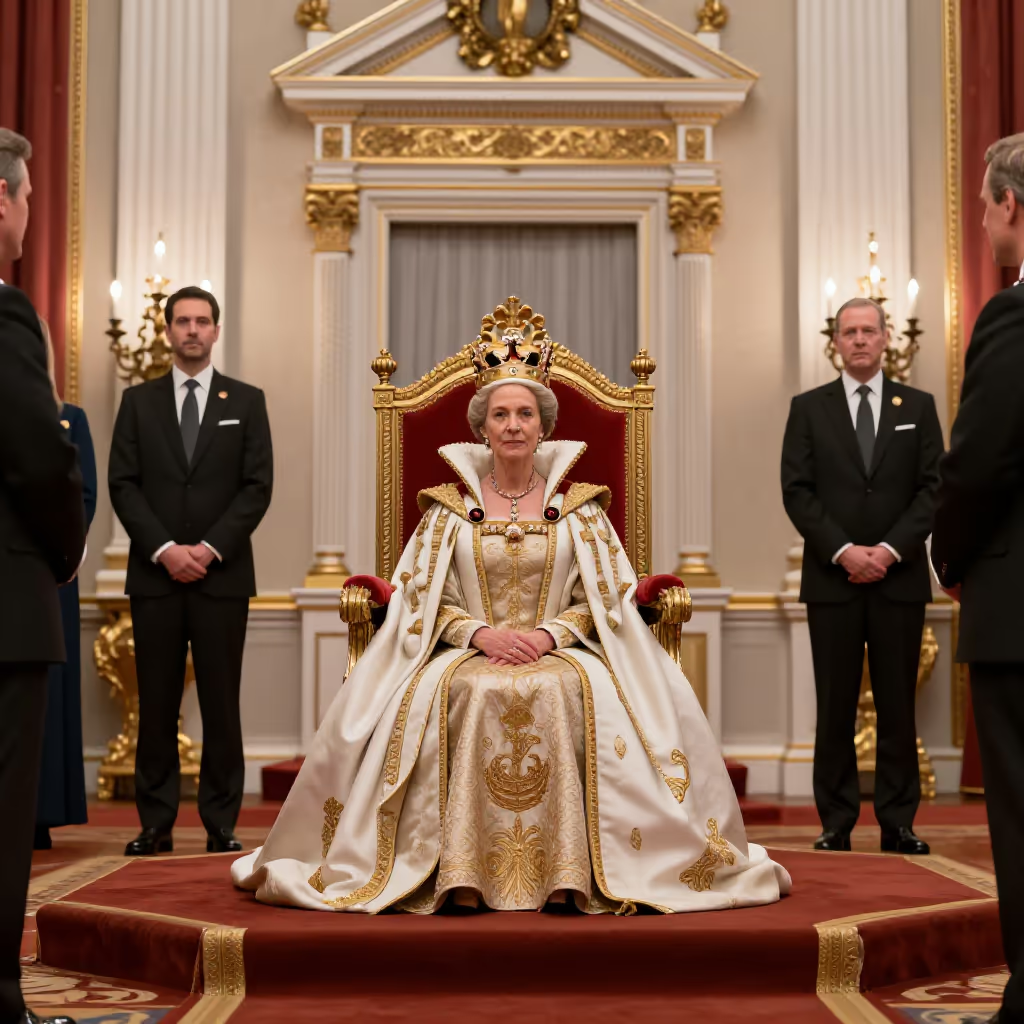
die Königin
queen
The female ruler of a kingdom.
EXAMPLE
Königin Margrethe II. war Staatsoberhaupt von Dänemark.
Queen Margrethe II was the head of state of Denmark.
queen
Loading your saved state.
queen
The female ruler of a kingdom.
Königin Margrethe II. war Staatsoberhaupt von Dänemark.
Queen Margrethe II was the head of state of Denmark.
queen
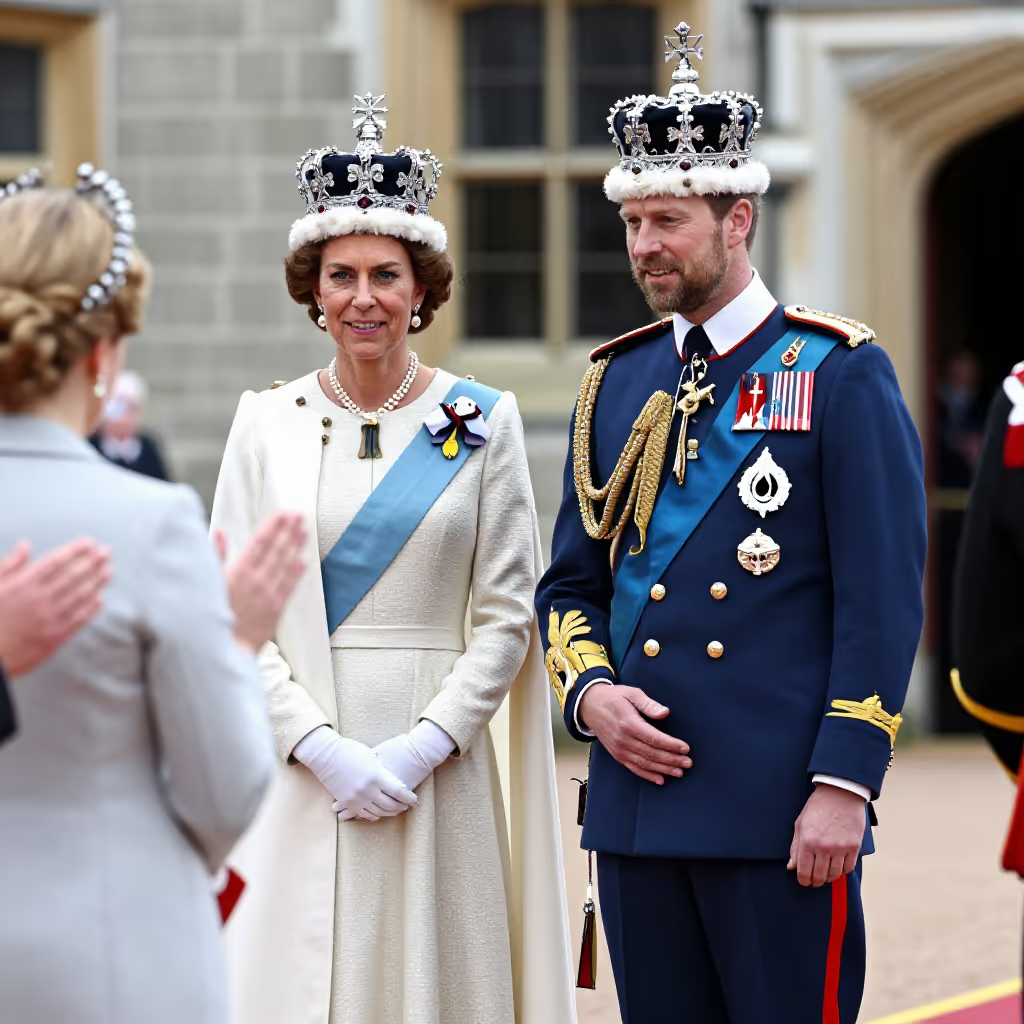
The wife of a king.
Der König betrat den Saal zusammen mit der Königin.
The king entered the hall together with the queen.
queen
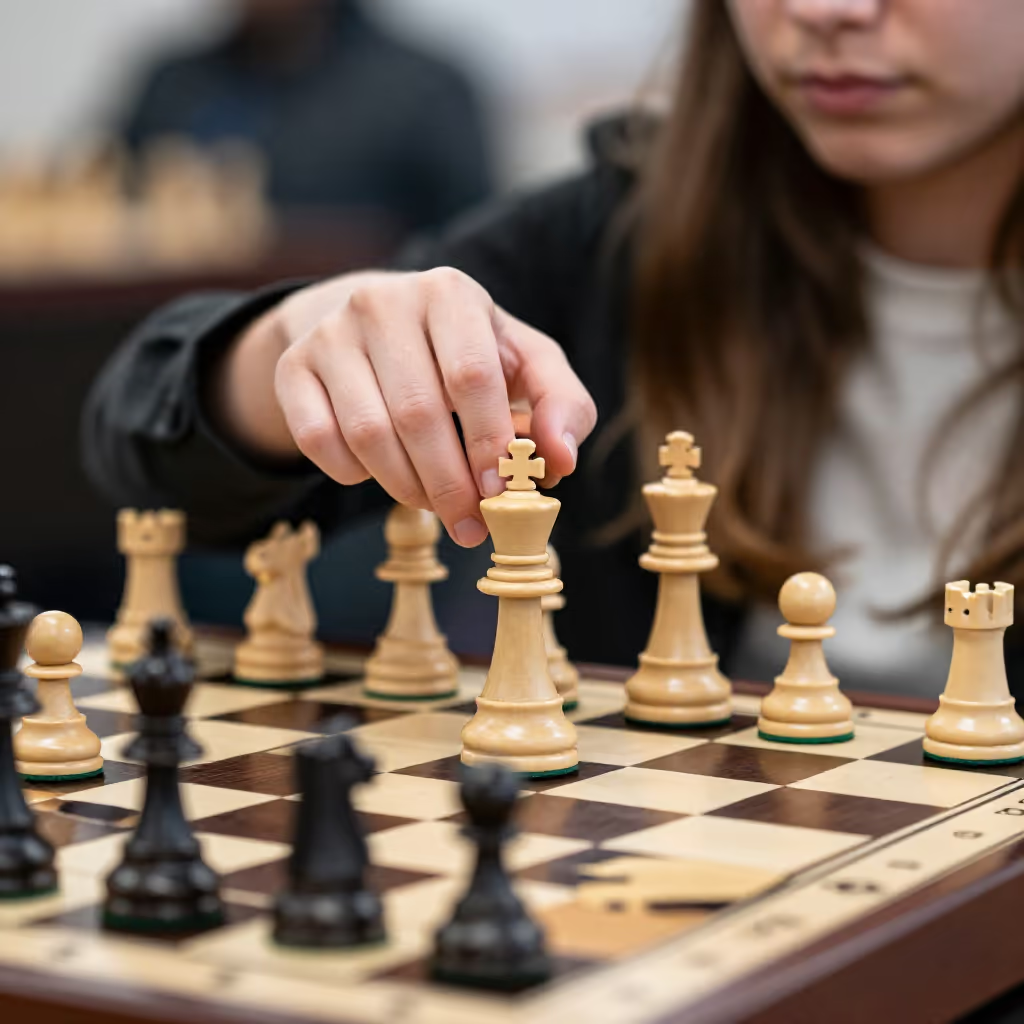
The most powerful piece in the game of chess.
Mit seiner Königin schlug er den gegnerischen Turm und setzte den König schachmatt.
With his queen, he captured the opponent's rook and checkmated the king.
queen
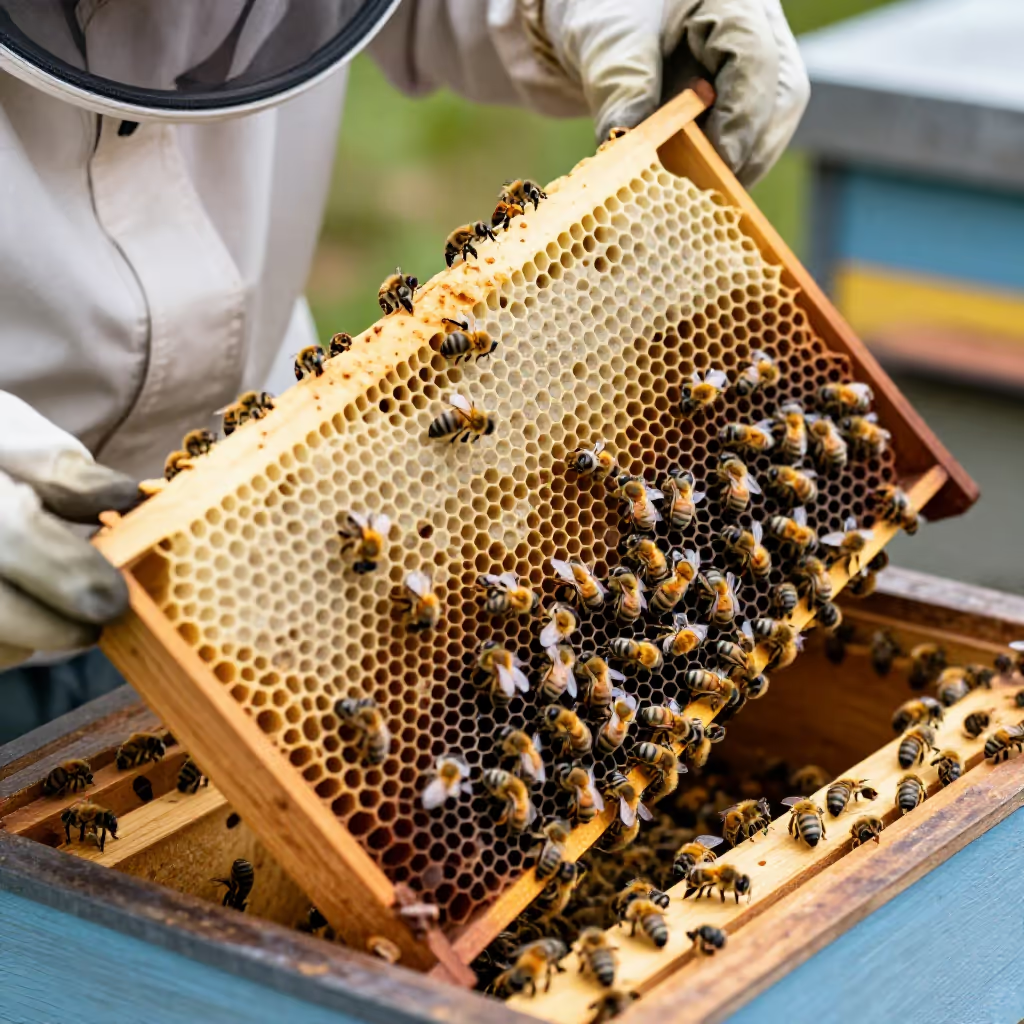
The only reproductive female in a colony of social insects such as bees, ants, or termites.
Das ganze Bienenvolk dient der einen Königin.
The whole bee colony serves the one queen.
queen
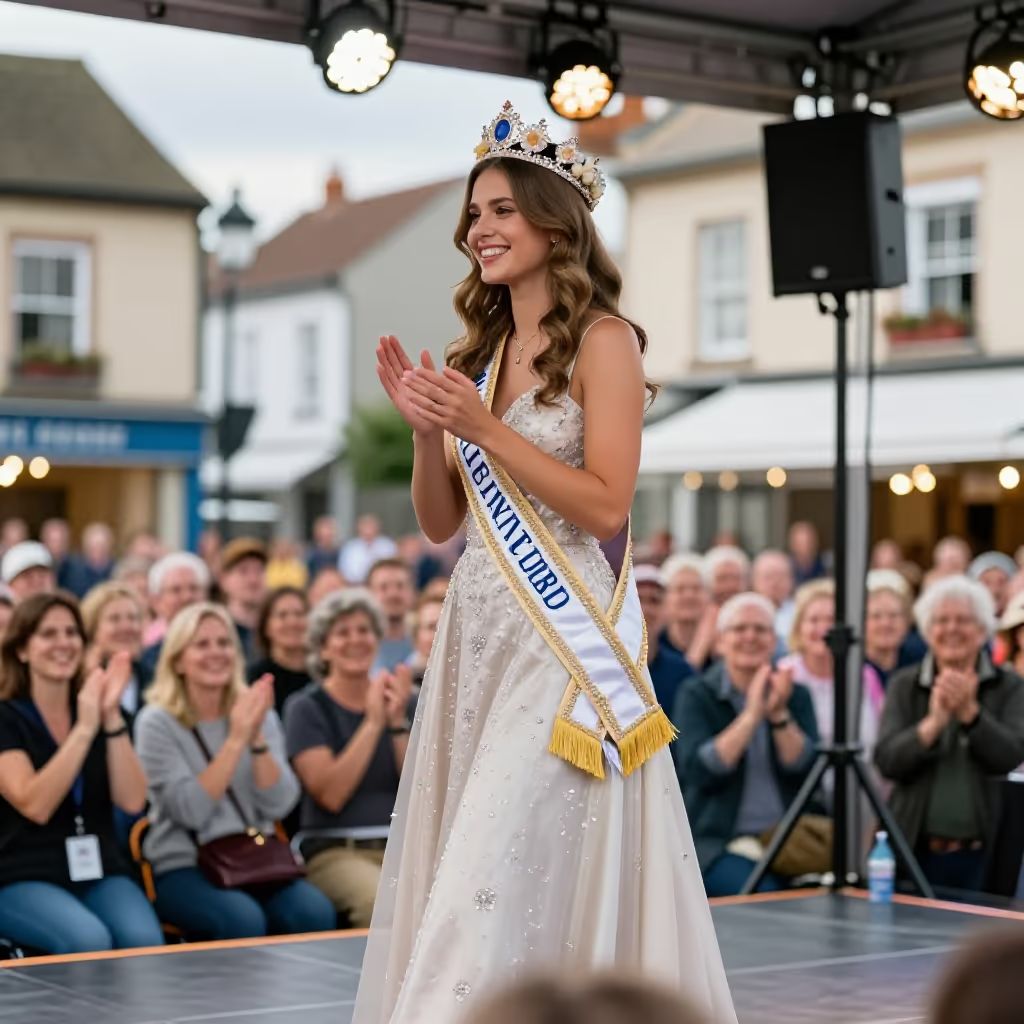
A woman who is considered the best or most beautiful in a certain field or at a certain event (e.g., prom queen, wine queen).
Sie wurde zur Schönheitskönigin des Landes gewählt.
She was chosen as the country's beauty queen.
The word 'Königin' (queen) is the feminine form of 'der König' (the king). The ending '-in' is used very frequently in German to form the feminine form from a masculine person or profession noun.
Die Königin regierte das Land weise.
The queen ruled the country wisely.
'Königin' (queen) belongs to the word family around 'der König' (the king). The adjective 'königlich' (royal) also belongs to it and describes things that belong to a king or queen, or are worthy of them.
Die Familie besuchte das königliche Schloss.
The family visited the royal castle.
The context tells you whether a ruling monarch or the wife of a king is meant. A female ruler is often mentioned together with her country (e.g., 'Königin von England' — Queen of England), while the wife is often mentioned together with the king.
Die Königin von Spanien hielt eine Rede.
The queen of Spain gave a speech.
In the figurative meaning, 'Königin' (queen) is often used as the second part of compound words. Examples are 'Ballkönigin' (prom queen), 'Weinkönigin' (wine queen), or 'Schützenkönigin' (shooting queen / markswoman queen).
Zur Eröffnung des Weinfestes wurde die neue Weinkönigin gekrönt.
At the opening of the wine festival, the new wine queen was crowned.
In chess, the queen is the strongest piece. Typical verbs in this context are 'die Königin opfern' (to sacrifice the queen), 'die Königin bewegen' (to move the queen), or 'mit der Königin schlagen' (to capture with the queen).
Er opferte seine Königin, um das Spiel zu gewinnen.
He sacrificed his queen to win the game.
This meaning occurs only in a biological context. The word is usually combined with the insect species, for example 'Bienenkönigin' (queen bee) or 'Ameisenkönigin' (queen ant).
Forscher haben die Bienenkönigin mit einem Punkt markiert.
Researchers marked the queen bee with a dot.
lady / queen / checkers
In chess, die Dame and die Königin refer to the same, most powerful piece. Dame is the usual and standard German term, while Königin is understandable but is not the traditional name for the piece. So in chess texts and while playing, Dame is the appropriate term.
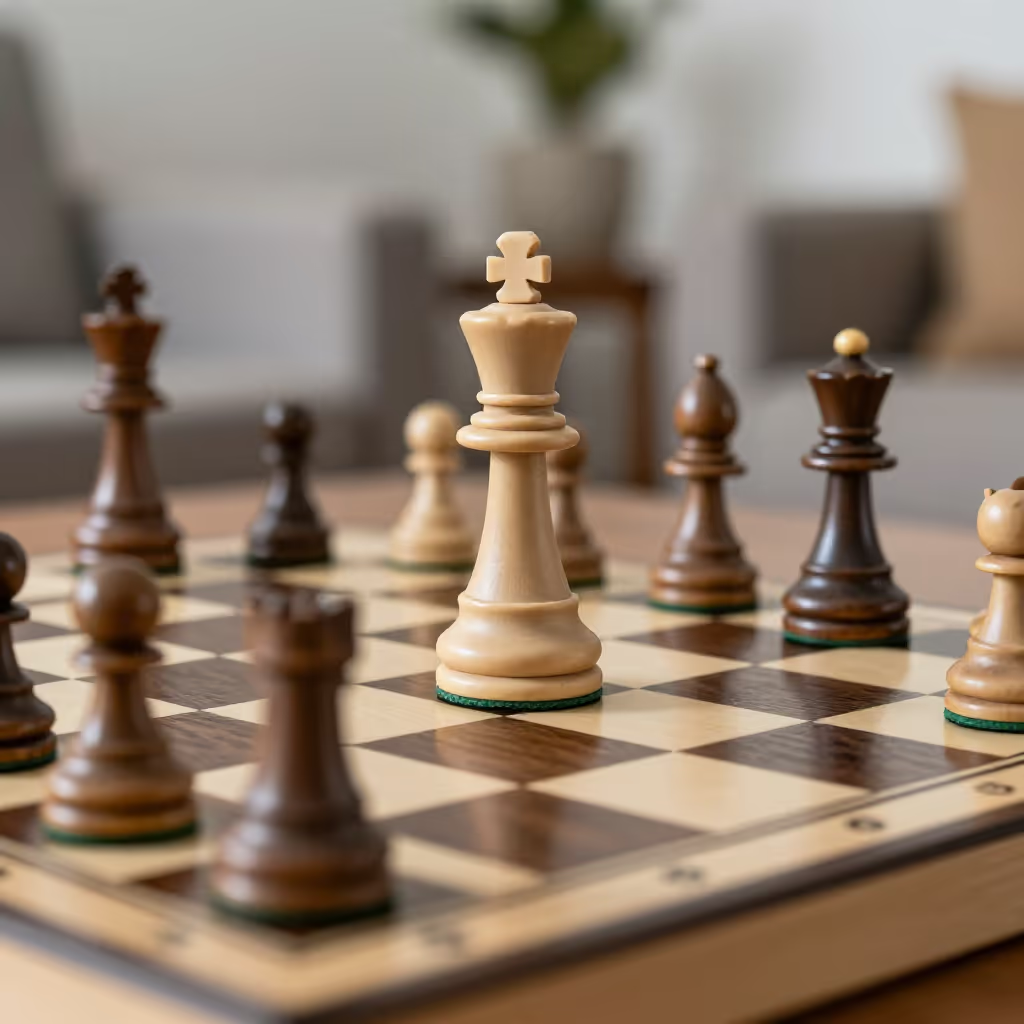
Im Schach erklärte der Anfänger, dass seine Königin das freie Feld neben dem König besetzte.
In chess, the beginner explained that his queen occupied the empty square next to the king.
Im Schach setzte Lisa die Dame auf das freie Feld neben dem König.
In chess, Lisa moved the queen to the empty square next to the king.