


die Dame
lady
A polite and respectful term for a woman.
EXAMPLE
Meine sehr geehrten Damen und Herren, ich begrüße Sie herzlich.
Ladies and gentlemen, I warmly welcome you.
lady / queen / checkers
Loading your saved state.
lady
A polite and respectful term for a woman.
Meine sehr geehrten Damen und Herren, ich begrüße Sie herzlich.
Ladies and gentlemen, I warmly welcome you.
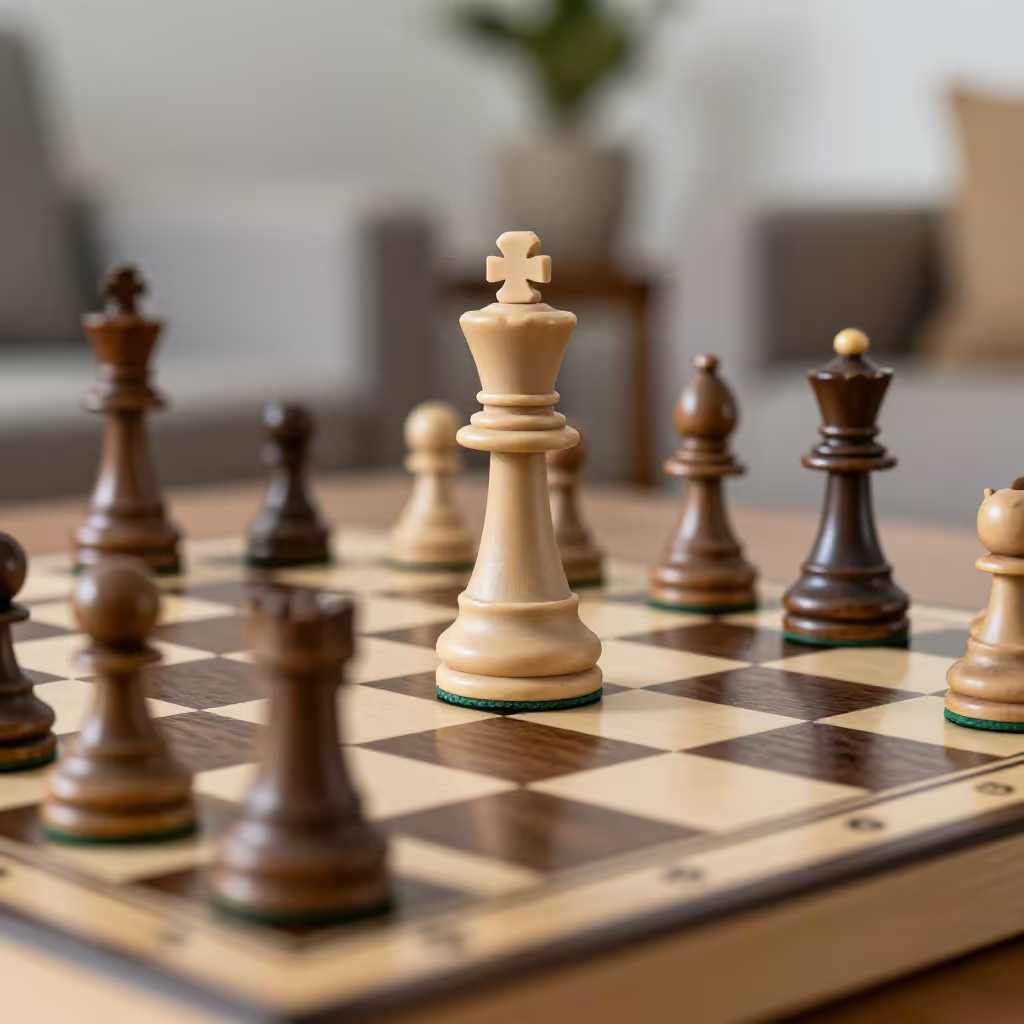
queen
The most powerful piece in chess, or the crowned piece in checkers.
Mit seiner Dame konnte er den gegnerischen König schachmatt setzen.
With his queen, he was able to checkmate the opposing king.

to play checkers
To play the board game 'Dame' (checkers).
Als Kinder haben wir oft stundenlang Dame gespielt.
As children, we often played checkers for hours.
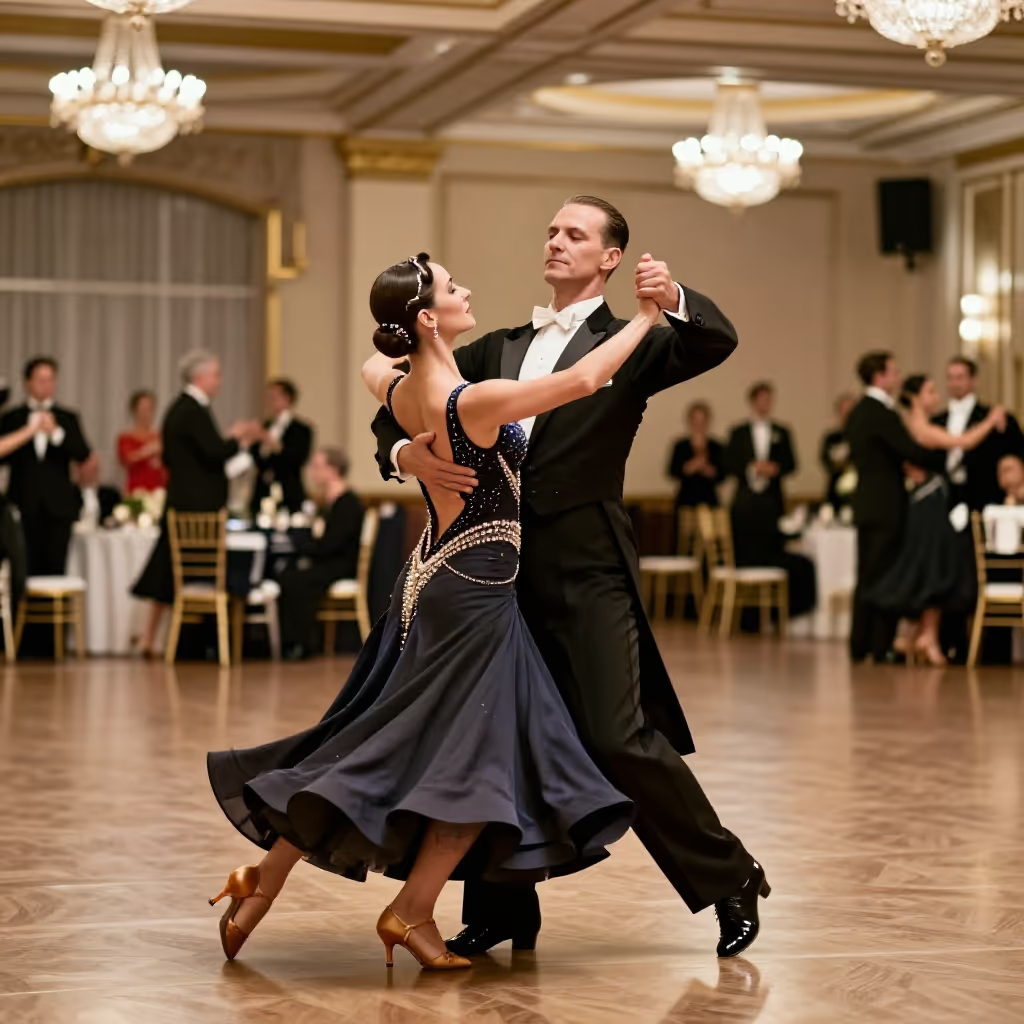
lady / partner
A dance partner or the female companion of a man at a social occasion.
Er führte seine Dame elegant über die Tanzfläche.
He led his lady elegantly across the dance floor.
'Dame' (lady) is a polite and formal form of address for a woman. In everyday life, depending on the situation, it can sound somewhat distant or old-fashioned.
Darf ich Ihnen die Jacke abnehmen, gnädige Dame?
May I take your jacket, madam?
The form of address 'Meine sehr geehrten Damen und Herren' (Ladies and gentlemen) is a fixed formula. It is commonly used at the beginning of speeches, presentations, or formal events.
Meine sehr geehrten Damen und Herren, herzlich willkommen zur heutigen Preisverleihung.
Ladies and gentlemen, welcome to today's award ceremony.
The context tells you whether a woman or a game piece is meant. In sentences about chess, board games, or dancing, 'Dame' does not refer to a person in general.
Im Schach ist die Dame die stärkste Figur.
In chess, the queen is the strongest piece.
When referring to the board game, the verb 'spielen' (to play) is almost always used. The fixed combination is 'Dame spielen' (to play checkers).
Wollen wir eine Runde Dame spielen?
Shall we play a round of checkers?
woman / wife
Frau and Dame can both refer to an adult female person. Frau is the neutral, general term; Dame usually sounds more polite or elevated and can suggest a cultivated manner. In everyday situations, Frau is appropriate; when expressing special respect or using a more formal tone, Dame is more likely.

Die Dame am Empfang beantwortet höflich unsere Fragen.
The lady at the reception desk politely answers our questions.
Die Frau wartet vor dem Eingang auf ihre Freundin.
The woman is waiting in front of the entrance for her friend.