

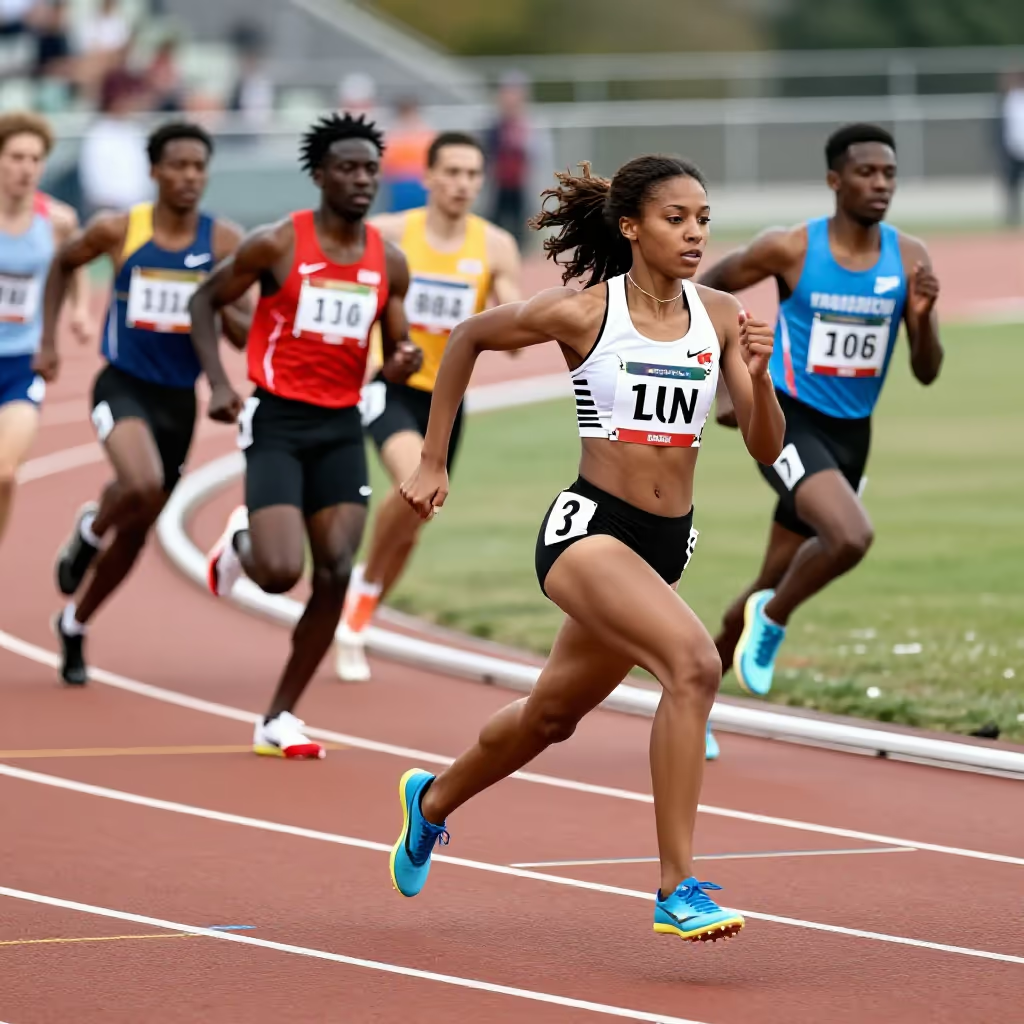
der Lauf
run
Movement by fast walking or running, often as a sporting activity.
EXAMPLE
Nach einem zehn Kilometer Lauf war sie erschöpft.
After a ten-kilometer run, she was exhausted.
run / course / barrel
Loading your saved state.
run
Movement by fast walking or running, often as a sporting activity.
Nach einem zehn Kilometer Lauf war sie erschöpft.
After a ten-kilometer run, she was exhausted.

course
The progression or development of events or time. Often in the expression 'der Lauf der Dinge' (the course of events).
So ist der Lauf des Lebens.
That's the course of life.
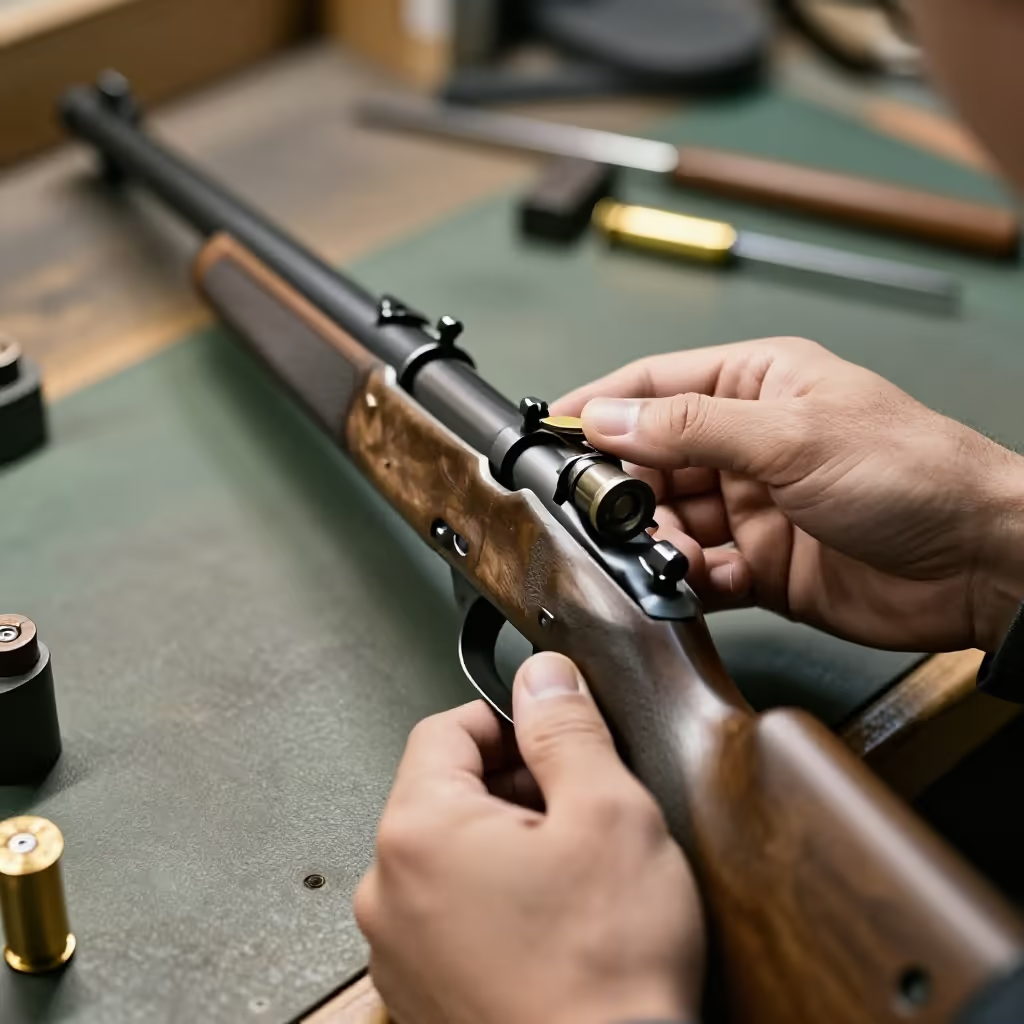
barrel
The tube of a firearm through which the projectile is fired.
Er blickte direkt in den Lauf der Pistole.
He looked directly into the barrel of the pistol.

in the course of
Expresses that something happens during a certain period of time; during.
Im Laufe der Jahre hat sich die Stadt stark verändert.
In the course of the years, the city changed a lot.

to be up to date
To be or stay informed about the latest developments.
Ich lese jeden Morgen Zeitung, um auf dem Laufenden zu bleiben.
I read the newspaper every morning to stay up to date.
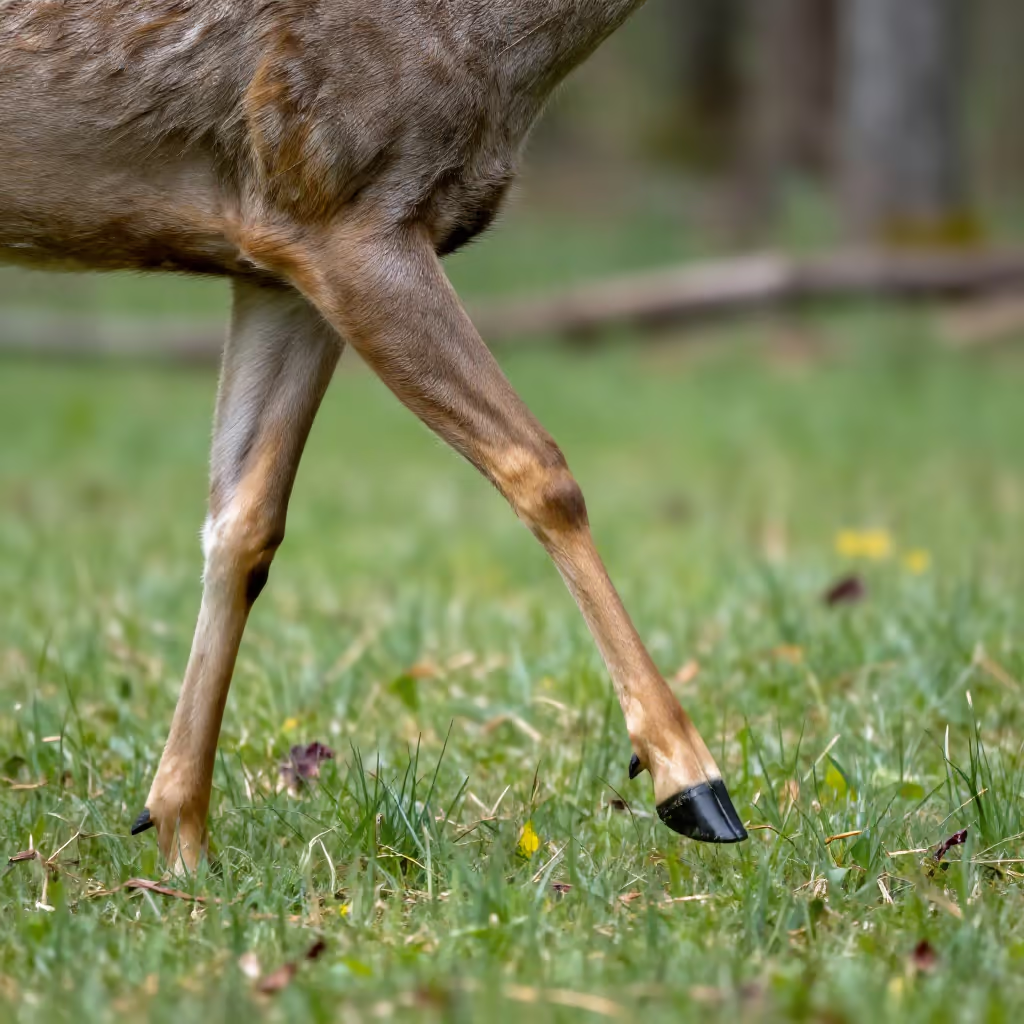
leg
In hunting terminology, the leg of hoofed game, e.g. a roe deer or stag.
Der Jäger untersuchte den verletzten Lauf des Rehs.
The hunter examined the roe deer's injured leg.
'Der Lauf' is the noun related to the verb 'laufen' (to run/walk). Many meanings of 'Lauf' are derived directly from the basic idea of movement or progression contained in 'laufen'.
Der schnelle Lauf des Flusses macht das Schwimmen gefährlich.
The fast course of the river makes swimming dangerous.
In its abstract meaning, 'Lauf' is often used in fixed expressions that describe a development. Common ones are 'der Lauf der Zeit' (the passage of time), 'der Lauf der Geschichte' (the course of history), or 'der Lauf der Dinge' (the course of events).
Man kann den Lauf der Zeit nicht aufhalten.
You can't stop the passage of time.
The preposition 'im Laufe' (in the course of) is almost always followed by the genitive. It describes that something happens during a certain period of time.
Im Laufe des Tages wurde das Wetter immer besser.
In the course of the day, the weather kept getting better.
The idiom 'auf dem Laufenden sein/bleiben' means to be/stay informed. The active version is 'jemanden auf dem Laufenden halten' (to keep someone up to date), meaning to inform someone.
Kannst du mich bitte über die Ergebnisse auf dem Laufenden halten?
Could you please keep me up to date about the results?
You can clearly recognize the meaning 'Rohr einer Waffe' (barrel of a weapon) from the context. It appears only in texts or conversations about weapons, the military, police, or crime.
Der Polizist reinigte den Lauf seiner Dienstwaffe.
The police officer cleaned the barrel of his service weapon.
The meaning 'Bein eines Tieres' (leg of an animal) is a technical term from hunting language. In normal usage, you would say 'das Bein' (the leg) instead.
Der Jäger erkannte an den Spuren, dass der Hirsch einen verletzten Lauf hatte.
From the tracks, the hunter recognized that the stag had an injured leg.
to run
In a sporting context, both words refer to running fast. „Rennen“ describes the action itself, while „der Lauf“ names the sporting activity as an event and can therefore also refer to an organized race. Use „rennen“ for the movement and „Lauf“ for the activity.
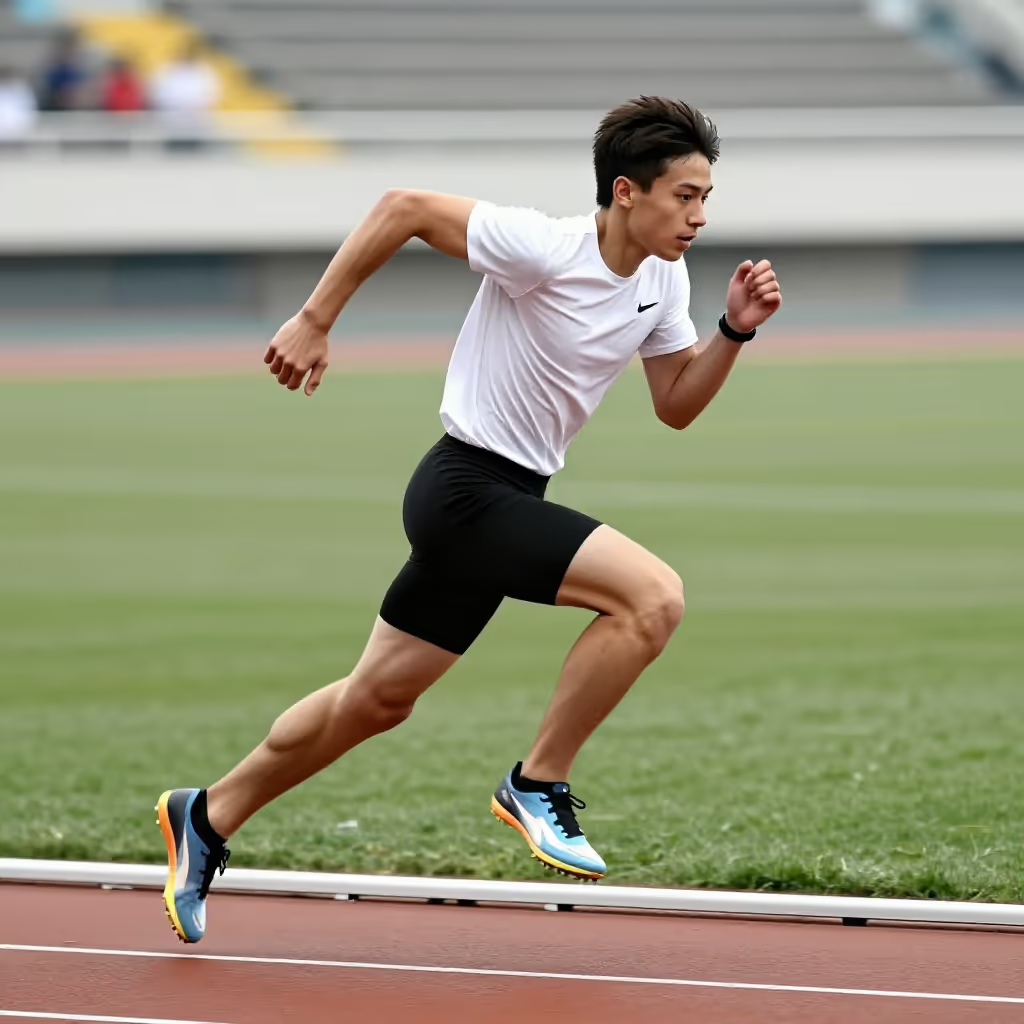
Der Lauf durch den Park beginnt für alle Teilnehmenden um zehn Uhr.
The run through the park starts at ten o'clock for all participants.
Die Kinder rennen beim sportlichen Wettbewerb so schnell wie möglich zum Ziel.
The children run to the finish as fast as possible in the competition.