

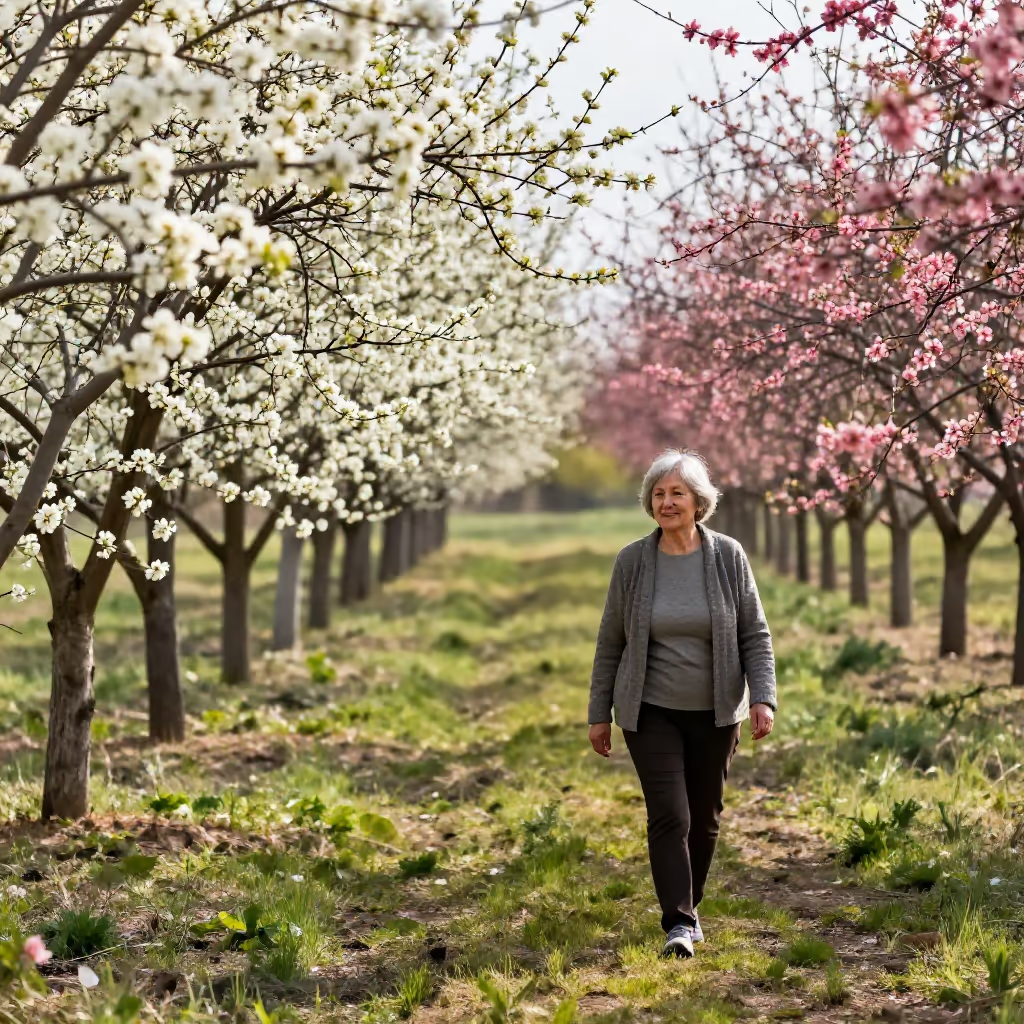
der Lenz
spring
A poetic, outdated term for the season of spring.
EXAMPLE
Im Gedicht wird beschrieben, wie der Lenz die Natur wieder zum Leben erweckt.
The poem describes how spring awakens nature to life again.
spring
Loading your saved state.
spring
A poetic, outdated term for the season of spring.
Im Gedicht wird beschrieben, wie der Lenz die Natur wieder zum Leben erweckt.
The poem describes how spring awakens nature to life again.
The word 'Lenz' (spring) is related to 'lang' (long). It describes the time of year when the days become longer again.
Früher feierten die Menschen das Erwachen der Natur im Lenz.
In earlier times, people celebrated the awakening of nature in spring.
'Lenz' (spring) is a poetic and outdated word for 'Frühling' (spring). You find it in poems, old songs, and literature, but it is not used in modern everyday language.
„Der Lenz ist da!“, sangen die Kinder im Chor.
'Spring is here!' the children sang in chorus.
A very well-known expression is 'sich des Lenzes freuen' (to rejoice in spring). It expresses a carefree, springlike joy.
Die jungen Leute saßen im Park und freuten sich des Lenzes.
The young people sat in the park and rejoiced in spring.
spring
Frühling and Lenz refer to the same season. Frühling is the neutral word used in everyday German today, while Lenz sounds poetic and outdated. Frühling fits a normal conversation; in a poem, Lenz can create a special linguistic mood.
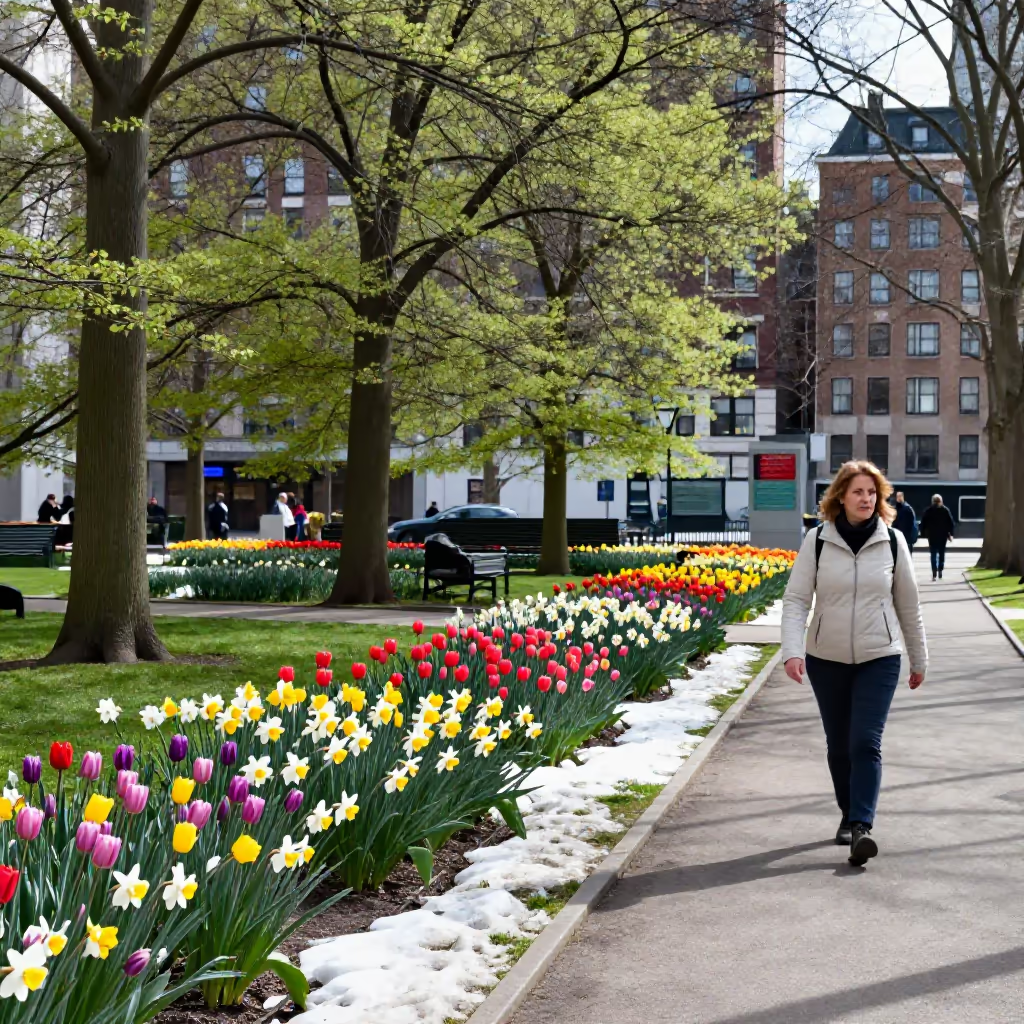
Im Gedicht erwacht die Natur im Lenz zu neuem Leben.
In the poem, nature awakens to new life in spring.
Im Frühling werden die Tage wieder länger.
In spring, the days start getting longer again.