

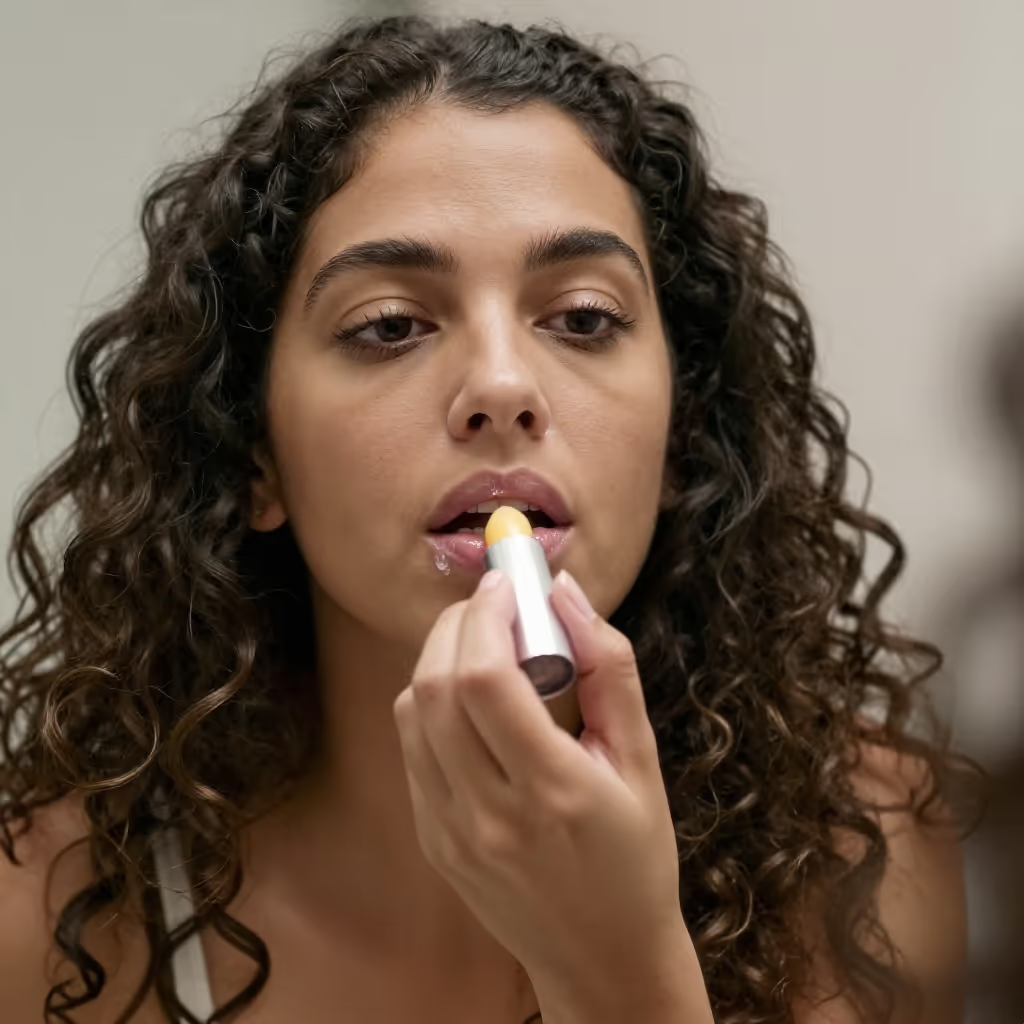
die Lippe
lip
One of the two soft, movable edges of the mouth in humans and animals.
EXAMPLE
Sie hat sich auf die Lippe gebissen, als sie die schlechte Nachricht hörte.
She bit her lip when she heard the bad news.
lip
Loading your saved state.
lip
One of the two soft, movable edges of the mouth in humans and animals.
Sie hat sich auf die Lippe gebissen, als sie die schlechte Nachricht hörte.
She bit her lip when she heard the bad news.

to hang on someone's lips
To listen to someone very attentively and with great interest.
Die Kinder hingen an den Lippen der Märchenerzählerin.
The children hung on the storyteller's lips.

to get lippy
Colloquial for being cheeky, mouthy, or presumptuous.
Riskier hier mal keine dicke Lippe, sonst gibt es Ärger!
Don't get lippy here, or there'll be trouble!
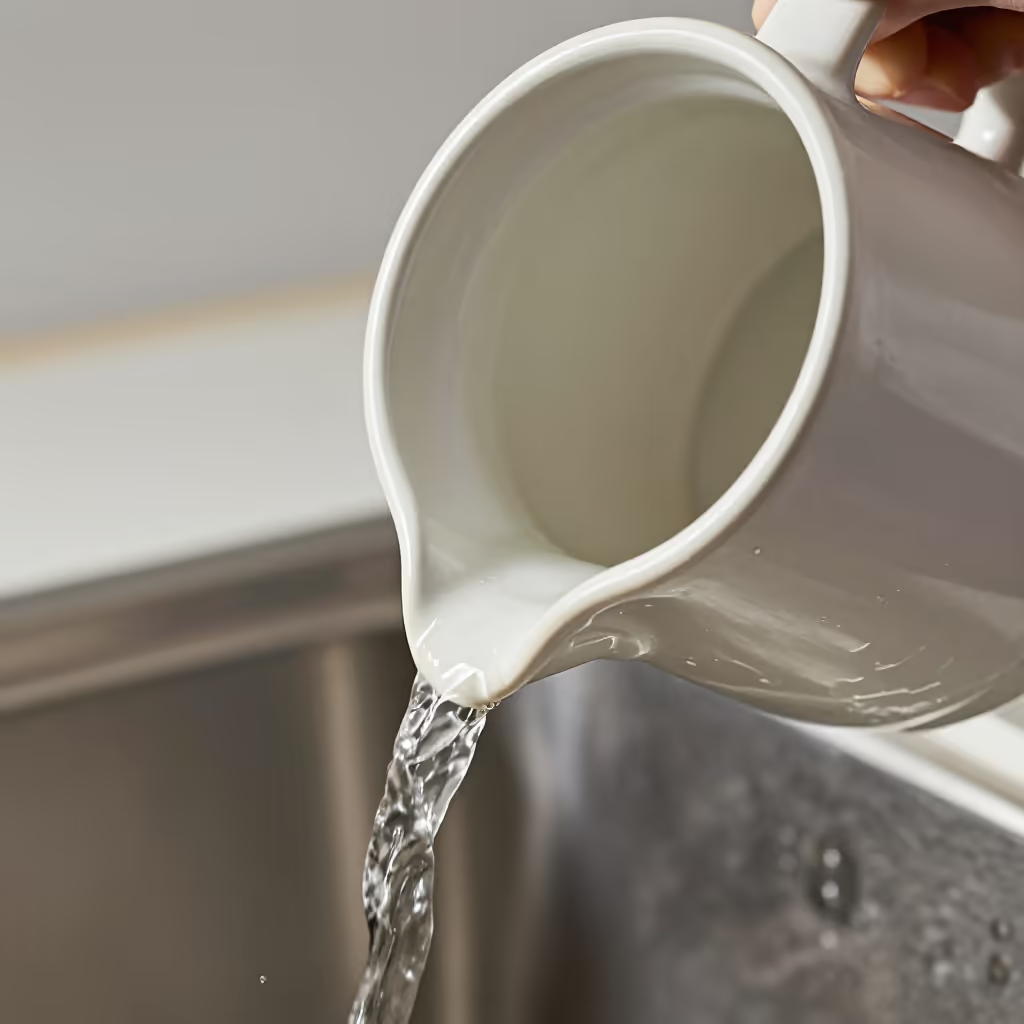
rim
The edge of an opening or a container.
Das Glas war so voll, dass das Wasser über die Lippe schwappte.
The glass was so full that the water sloshed over the rim.
In everyday language, 'Lippe' (lip) is often used in fixed expressions that describe physical reactions or feelings. Common ones are 'sich auf die Lippe beißen' (to bite one's lip, out of nervousness or to avoid saying something) or 'sich die Lippen lecken' (to lick one's lips, as a sign of appetite or anticipation).
Er biss sich auf die Lippe, um nicht zu lachen.
He bit his lip so he wouldn't laugh.
The idiom 'an jemandes Lippen hängen' means to listen to someone extremely attentively. The person being listened to is in the dative.
Die Studenten hingen an den Lippen des Professors.
The students hung on the professor's lips.
The idiom 'eine dicke Lippe riskieren' is colloquial and means to be cheeky or mouthy. It is often used as a warning.
Wenn du hier eine dicke Lippe riskierst, bekommst du Probleme.
If you get lippy here, you'll have problems.
You can always recognize this meaning from context. When containers like 'Glas' (glass), 'Tasse' (cup), or 'Topf' (pot) are being discussed, it refers to the upper rim.
Die Tasse war so voll, dass der Kaffee über die Lippe lief.
The cup was so full that the coffee ran over the rim.
edge / margin
Rand is the general term for the outer edge or boundary of an object. In this context, Lippe more specifically refers to the rim of an opening or container. Rand therefore works for any outer boundary, while Lippe can be used for the opening of a container.
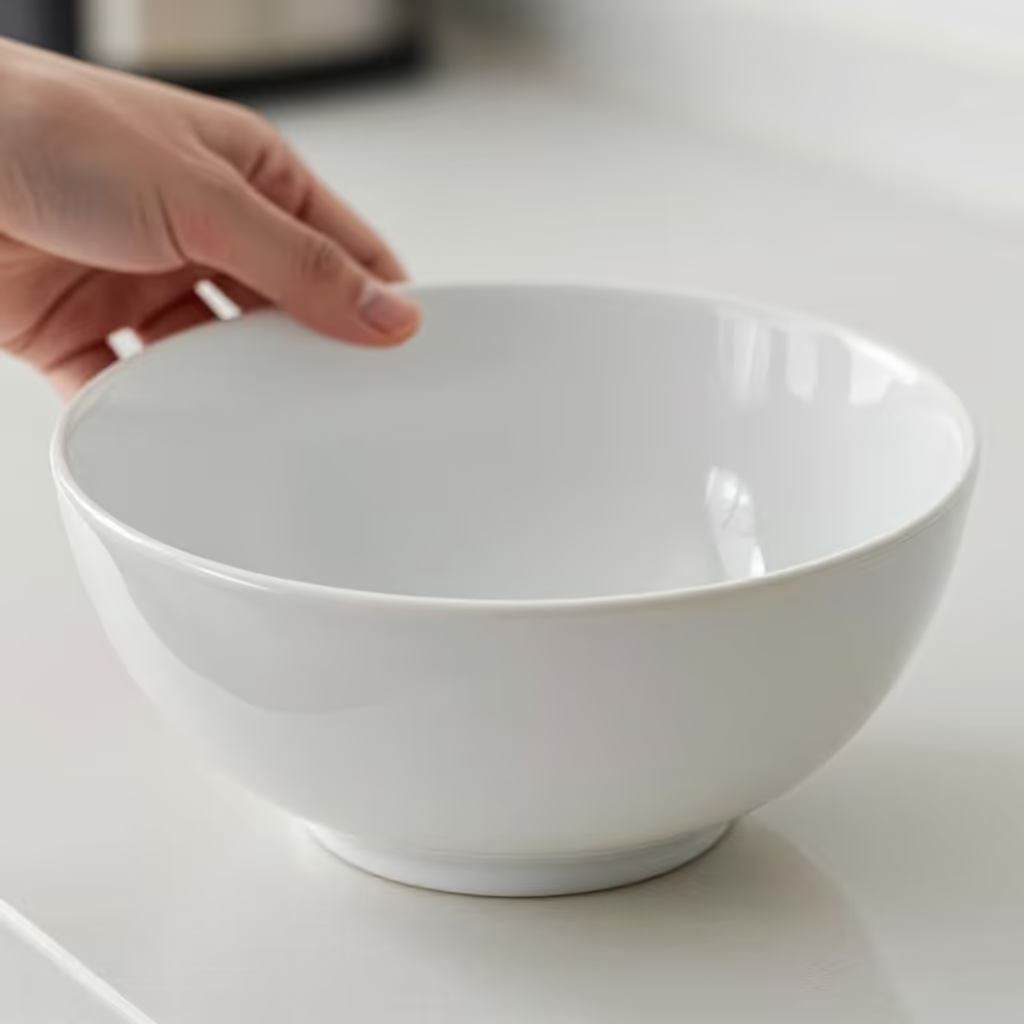
An der Lippe der Flaschenöffnung ist ein kleines Stück abgebrochen.
A small piece has broken off the rim of the bottle opening.
Am Rand des Tellers ist ein kleines Stück abgebrochen.
A small piece has broken off the edge of the plate.