

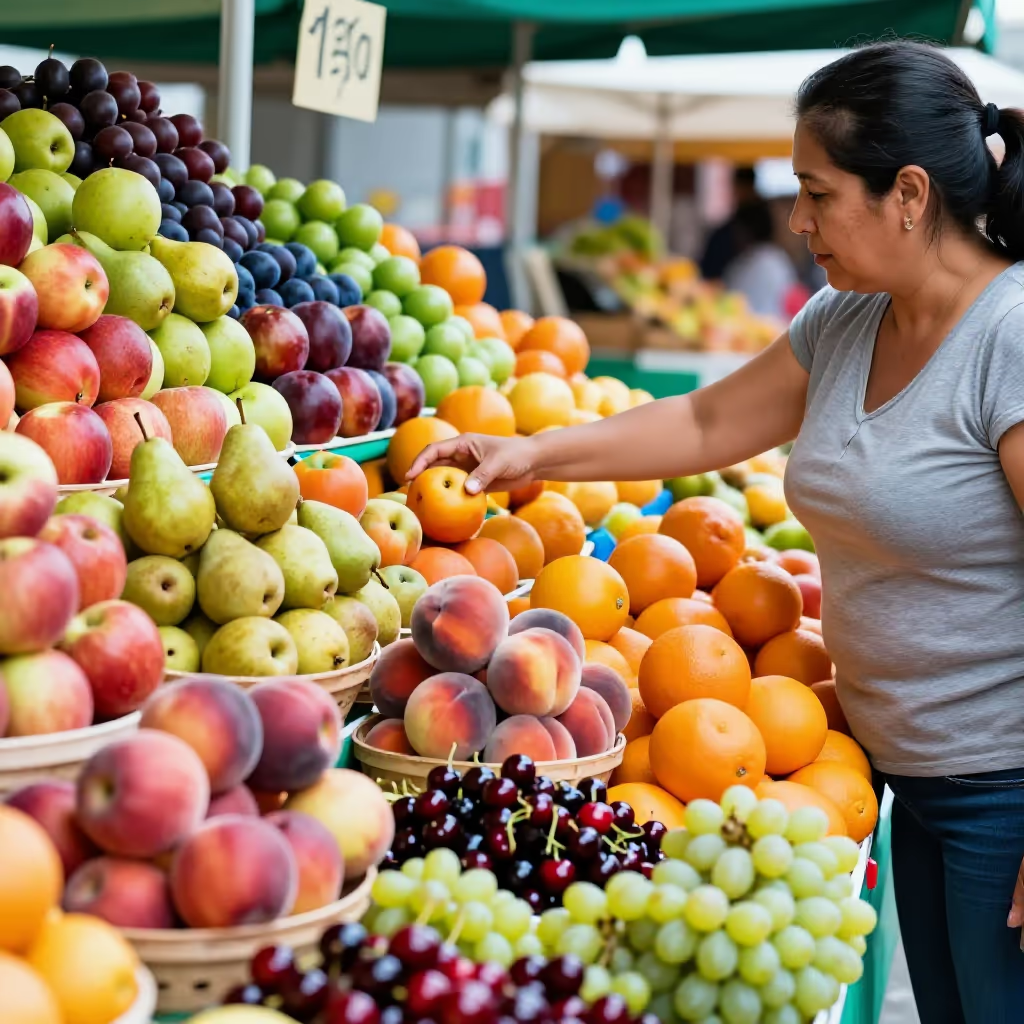
A collective term for the edible, usually sweet and juicy fruits of trees and bushes.
example
Im Sommer esse ich am liebsten frisches Obst wie Erdbeeren und Kirschen.
In summer, I like eating fresh fruit such as strawberries and cherries best.
Usage tips
Only in the singular
'Obst' (fruit) is a collective term and is almost always used in the singular, even when talking about many different fruits. A plural form 'Obste' does not exist in everyday language.
EXAMPLE
Zum Frühstück esse ich gerne Obst.
I like eating fruit for breakfast.
Word component
The word 'Obst' (fruit) is a common component of compound nouns. If you see 'Obst-' at the beginning of a word, it usually refers to fruit.
EXAMPLE
Ein Obstsalat ist eine gesunde Nachspeise.
A fruit salad is a healthy dessert.
Typical collocations
Common combinations with 'Obst' (fruit) are 'frisches Obst' (fresh fruit), 'Obst und Gemüse' (fruit and vegetables), or verbs such as 'Obst essen' (to eat fruit), 'Obst kaufen' (to buy fruit), and 'Obst schneiden' (to cut fruit).
EXAMPLE
Eine ausgewogene Ernährung enthält viel Obst und Gemüse.
A balanced diet contains plenty of fruit and vegetables.
Compare with
confusable
Obst vs Gemüse
vegetables
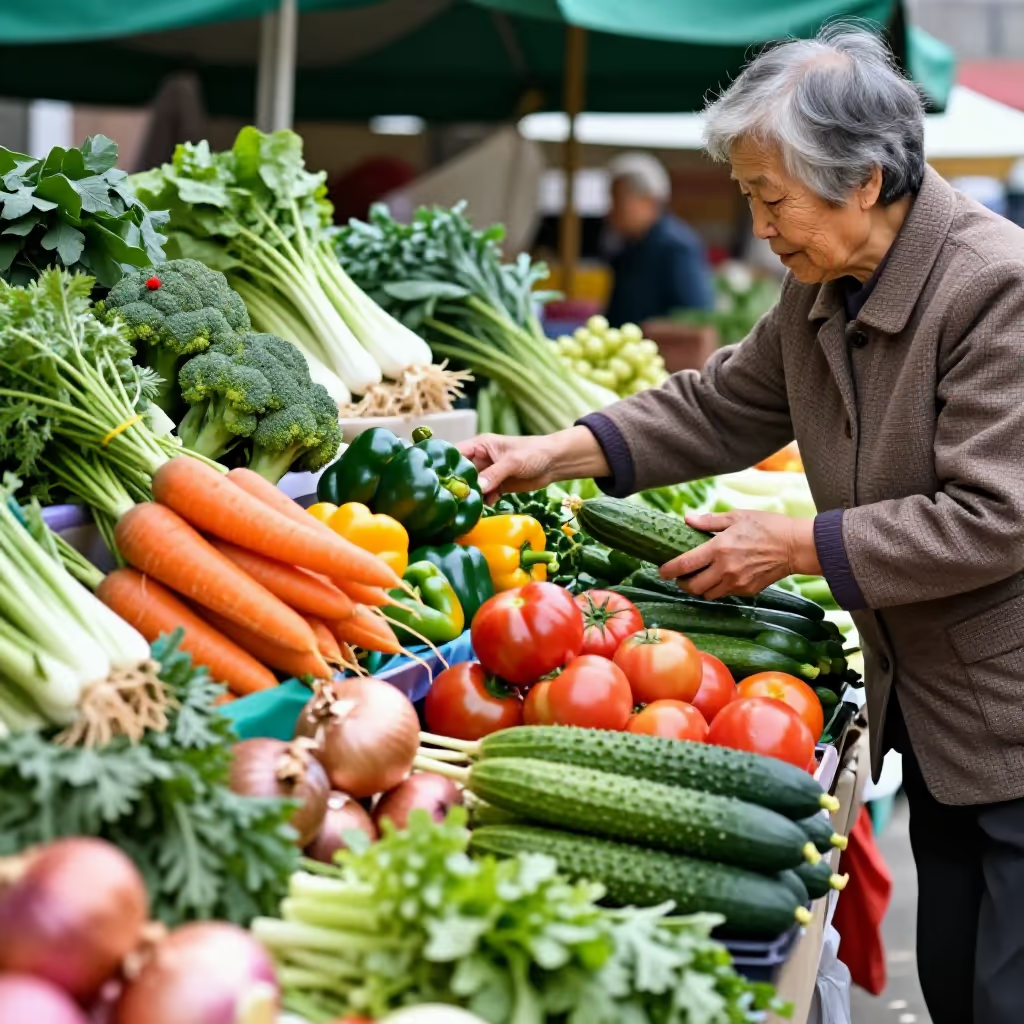
'das Gemüse' and 'das Obst' are both edible parts of plants, so they are easy to confuse. In everyday language, 'Obst' usually means sweet, juicy fruit such as apples, pears, or berries. 'Gemüse' is often eaten in hot dishes, as a side dish, or in salad, for example carrots, potatoes, or broccoli. The boundary is not always completely simple, because some plants are botanically fruits but count as vegetables in everyday language. For normal usage, it helps to remember: 'Obst' is often eaten sweet and raw; 'Gemüse' is more often savory.
Obst
Greta nimmt morgen Obst mit ins Büro, weil sie im Sommer gern etwas Frisches isst.
Greta is taking fruit to the office tomorrow because she likes eating something fresh in summer.