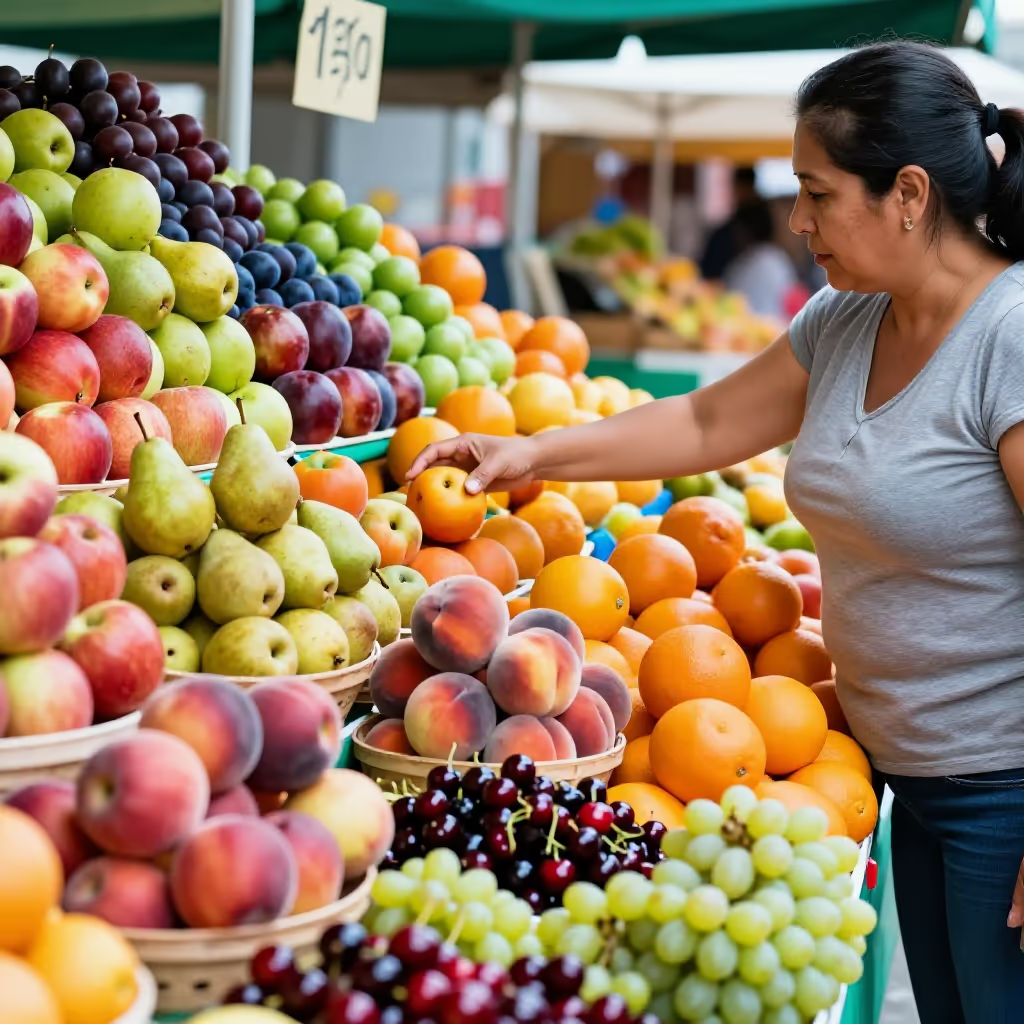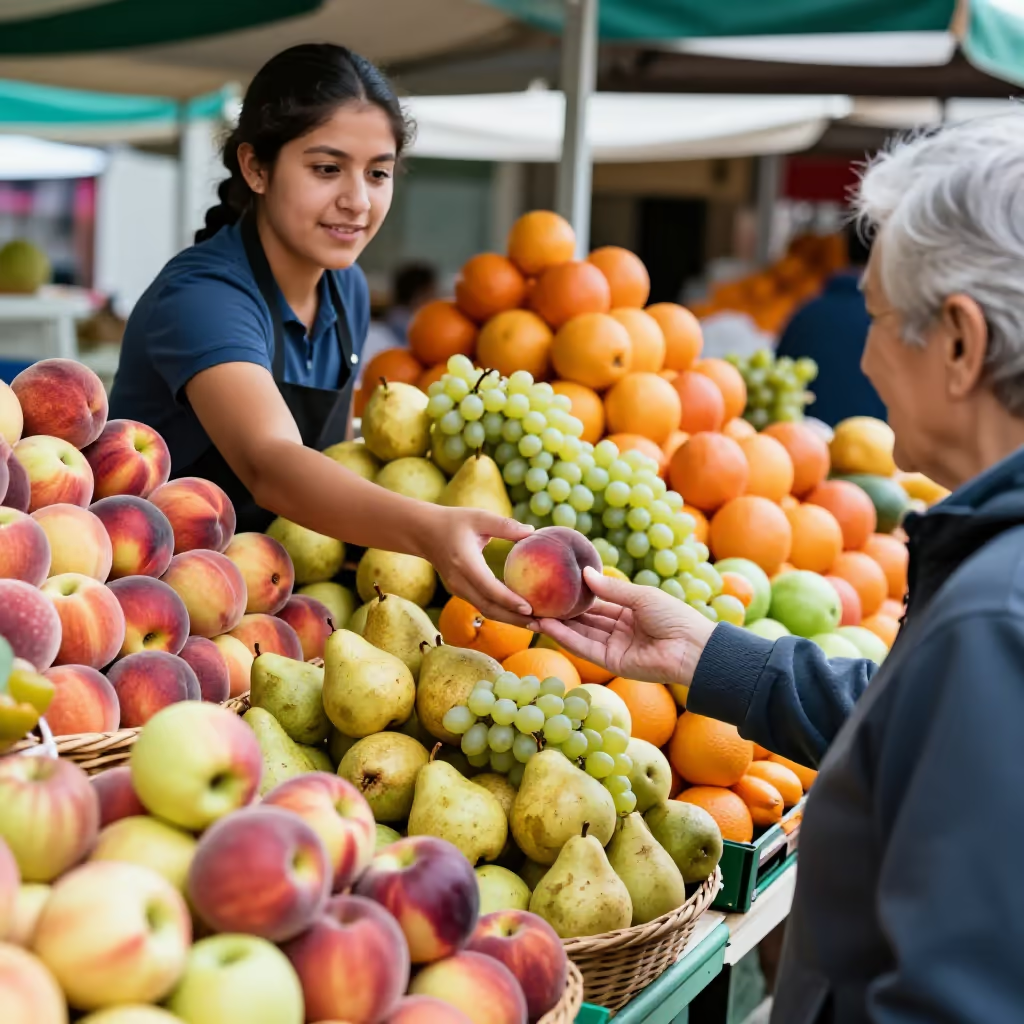
The edible, usually sweet part of a plant that develops from the flower and contains seeds. In the plural, the word 'Früchte' (fruits) or 'Obst' (fruit) is often used.
example
Der Pfirsich ist eine saftige und süße Frucht.
The peach is a juicy and sweet fruit.

Usage tips
Metaphorical meaning
'Frucht' (fruit) is very often used figuratively for the result or reward of effort. Watch for words like 'Arbeit' (work), 'Mühe' (effort), or 'Anstrengung' (exertion) in the sentence, which point to this meaning.
EXAMPLE
Der Erfolg des Projekts war die Frucht monatelanger Planung.
The success of the project was the fruit of months of planning.
Typical collocations
In the metaphorical meaning, there are fixed expressions. Especially common are 'die Früchte seiner Arbeit ernten' (to reap the fruits of one's work) or 'die Früchte seiner Mühen genießen' (to enjoy the fruits of one's efforts).
EXAMPLE
Nach vielen Jahren harter Arbeit konnte er endlich die Früchte seines Erfolgs ernten.
After many years of hard work, he was finally able to reap the fruits of his success.
Use in the plural
While 'die Frucht' (the fruit) in the singular refers to a single fruit, the plural 'die Früchte' (the fruits) is often used for a selection of different types. Typical combinations are 'süße Früchte' (sweet fruits), 'exotische Früchte' (exotic fruits), or the expression 'Früchte tragen' (to bear fruit) for a tree.
EXAMPLE
Im Sommer trägt unser Apfelbaum viele Früchte.
In summer, our apple tree bears many fruits.
Medical context
The meaning 'Nachkomme' (descendant) or 'Fötus' (fetus) is limited to medical or very formal, often biblical usage. In everyday language, people instead say 'Baby' (baby), 'Kind' (child), or 'Fötus' (fetus).
EXAMPLE
Bei der Ultraschalluntersuchung wurde die gesunde Entwicklung der Frucht bestätigt.
During the ultrasound examination, the healthy development of the fetus was confirmed.
Compare with
near_synonym
Frucht vs Kind
child
'das Kind' and 'die Frucht' can, in rare cases, both mean an offspring. In modern German, 'Kind' is the normal word for this: it can mean a young person or one's own son or daughter. 'Frucht' in this meaning is outdated, elevated, or biblical, and occurs almost only in fixed, old-fashioned expressions. In everyday language, 'Frucht' normally means fruit or a result, not a child. For normal conversations about family, you therefore use 'Kind'.
Frucht
In dem alten Text wird das ungeborene Kind als Frucht bezeichnet.
In the old text, the unborn child is referred to as a fetus.
Kind
Für den neuen Pass braucht das Kind ein aktuelles Foto.
The child needs a recent photo for the new passport.