

rauschen
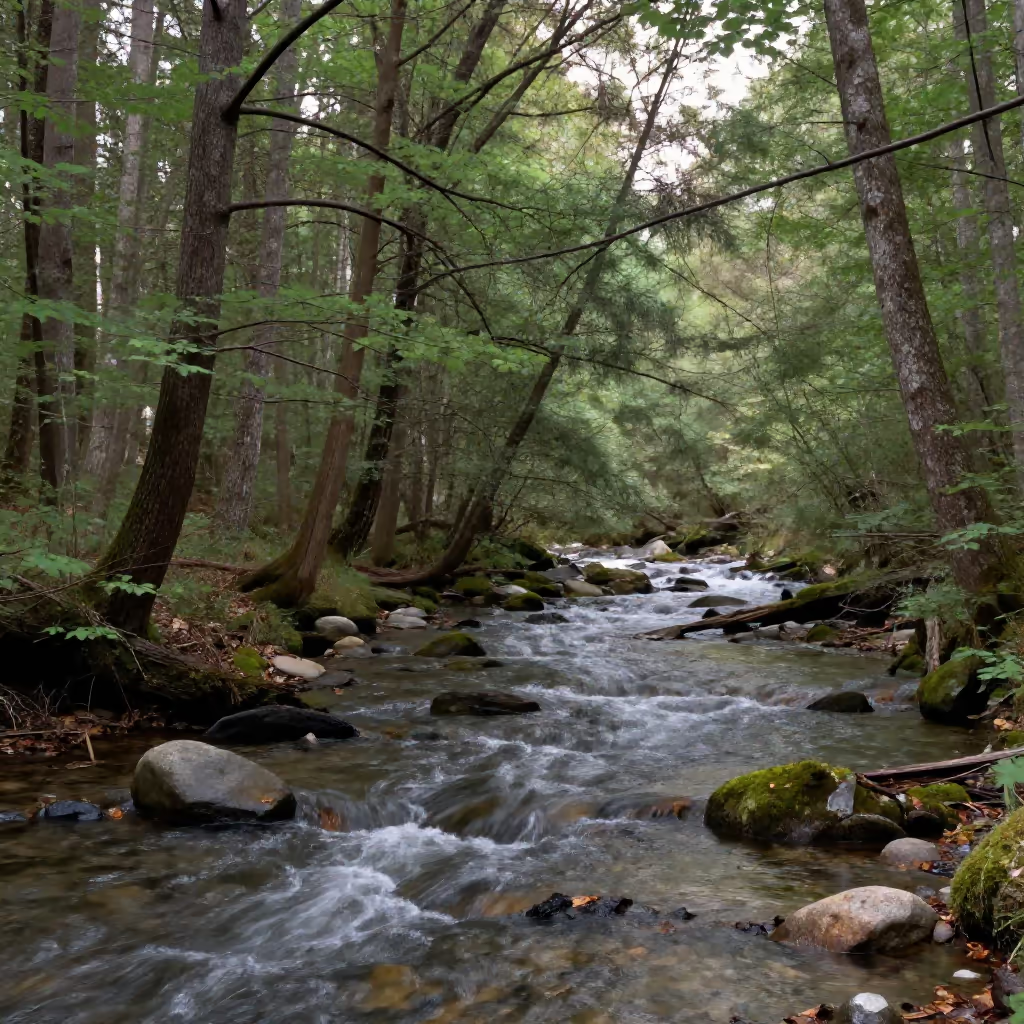
to rustle / roar
To produce a continuous, soft, and indistinct sound, like that made by wind, water, or leaves.
EXAMPLE
Das Meer rauschte leise am Strand.
The sea roared softly on the beach.
to rustle / hiss / sweep
Loading your saved state.
to rustle / roar
To produce a continuous, soft, and indistinct sound, like that made by wind, water, or leaves.
Das Meer rauschte leise am Strand.
The sea roared softly on the beach.
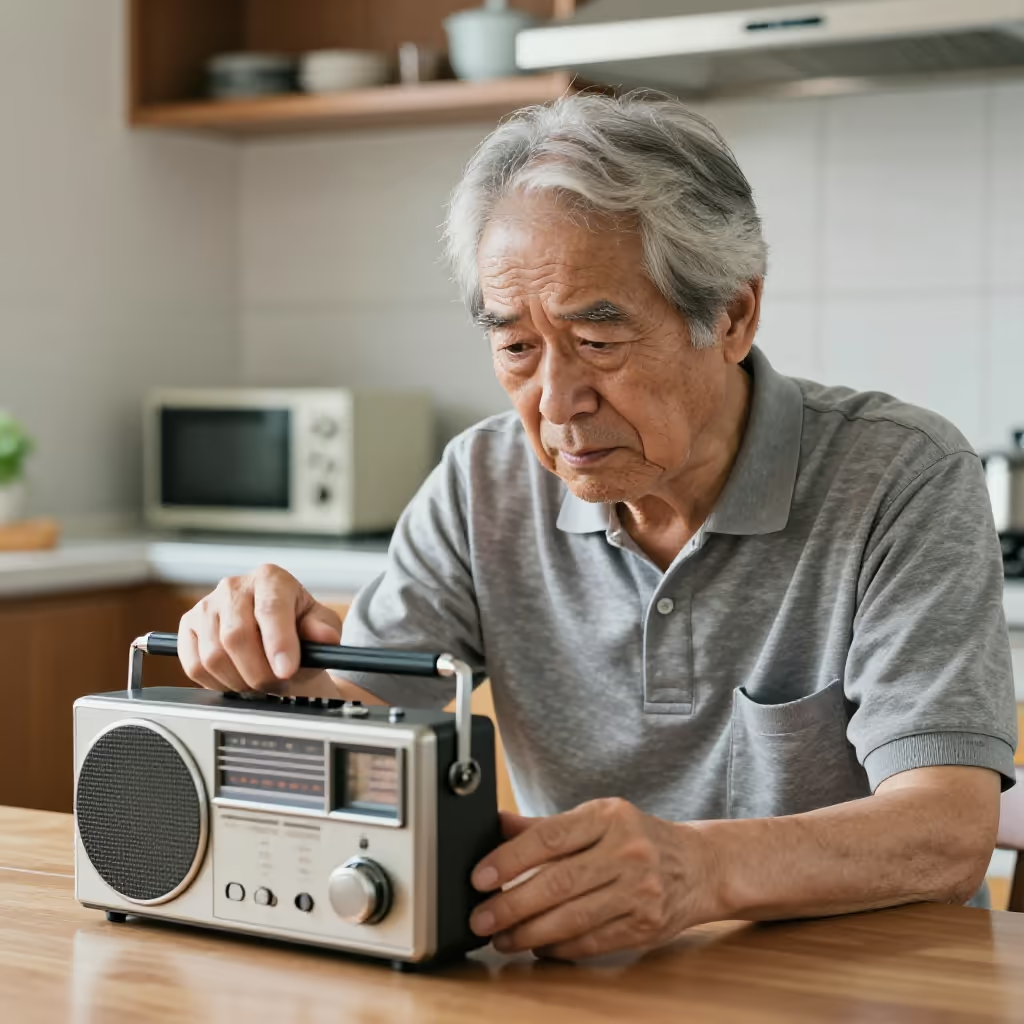
to hiss / crackle
To produce interference noise, such as hissing or crackling, especially with electronic devices like radios or speakers.
Das alte Radio rauscht nur noch.
The old radio only hisses now.

to sweep
To move quickly, energetically, and often noisily, for example because of clothing.
Sie rauschte in einem eleganten Abendkleid in den Saal.
She swept into the hall in an elegant evening gown.
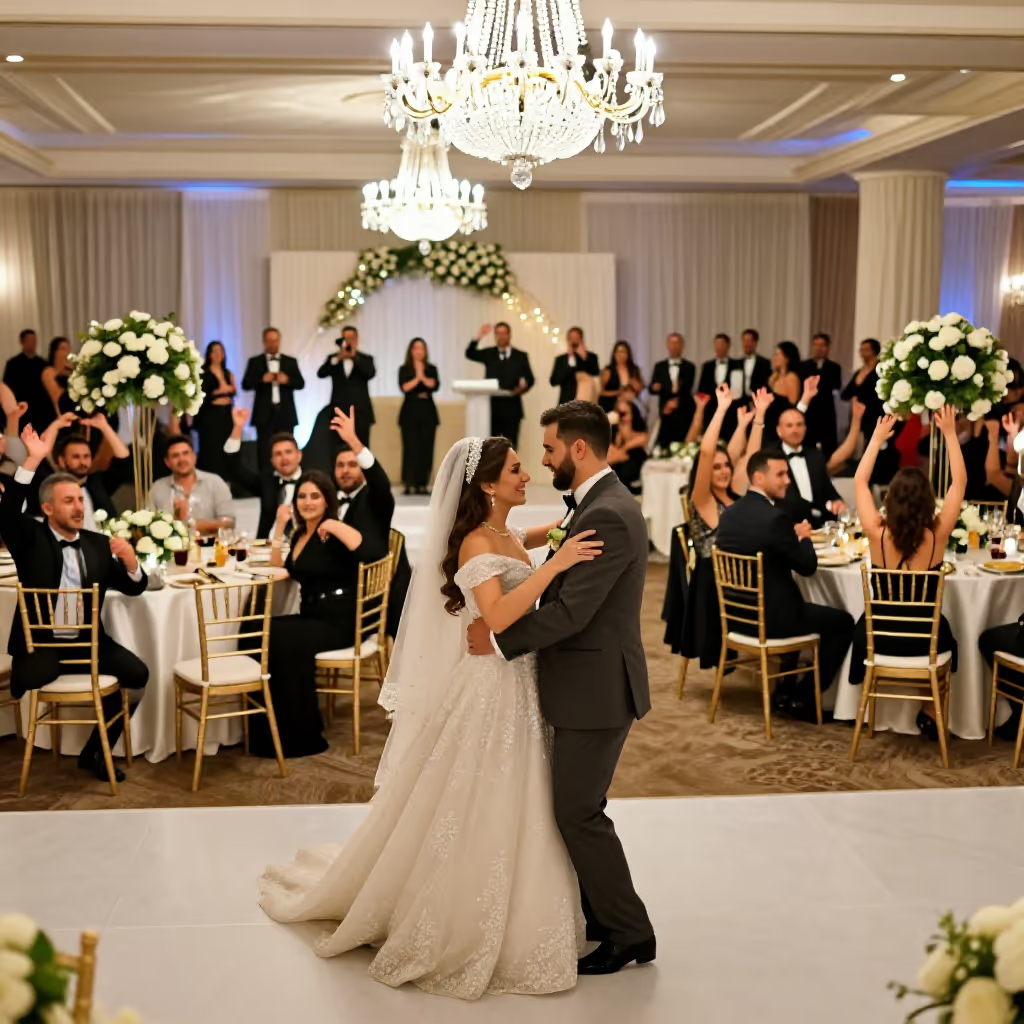
to be splendid
In reference to a celebration or party: to be very lively, magnificent, and impressive.
Das Fest rauschte bis in die frühen Morgenstunden.
The celebration was splendid and went on until the early hours of the morning.
The subject of the verb reveals the meaning. If it is nature (sea, wind, leaves), a sound is meant. With technical devices (radio), it means interference noise. If the subject is a person, it refers to quick movement.
Der Wind rauschte in den Baumkronen.
The wind rustled in the treetops.
In the meaning of a natural sound, the most common subjects are 'das Meer' (the sea), 'der Wind' (the wind), 'die Blätter' (the leaves), 'ein Bach' (a stream), or 'ein Wasserfall' (a waterfall).
Wir saßen am Ufer und hörten den Bach rauschen.
We sat on the bank and listened to the stream rustling.
When 'rauschen' (to sweep) describes quick movement, it is almost always used with an indication of direction. Typical prepositions are 'in' (into), 'aus' (out of), 'durch' (through), or 'vorbei' (past).
Wütend rauschte sie aus dem Zimmer.
Angrily, she swept out of the room.
In connection with celebrations, the present participle 'rauschend' is often used as an adjective. 'Ein rauschendes Fest' is a very lively and magnificent celebration.
Das Brautpaar feierte eine rauschende Ballnacht.
The bride and groom celebrated a splendid ball night.
intoxication / rush / noise
In technology, Rausch is a random interference signal that overlays an actual signal. Here, rauschen is a verb describing an electronic device producing an audible interference noise. Rausch is the right term for the interference signal, while rauschen describes the device's behavior.
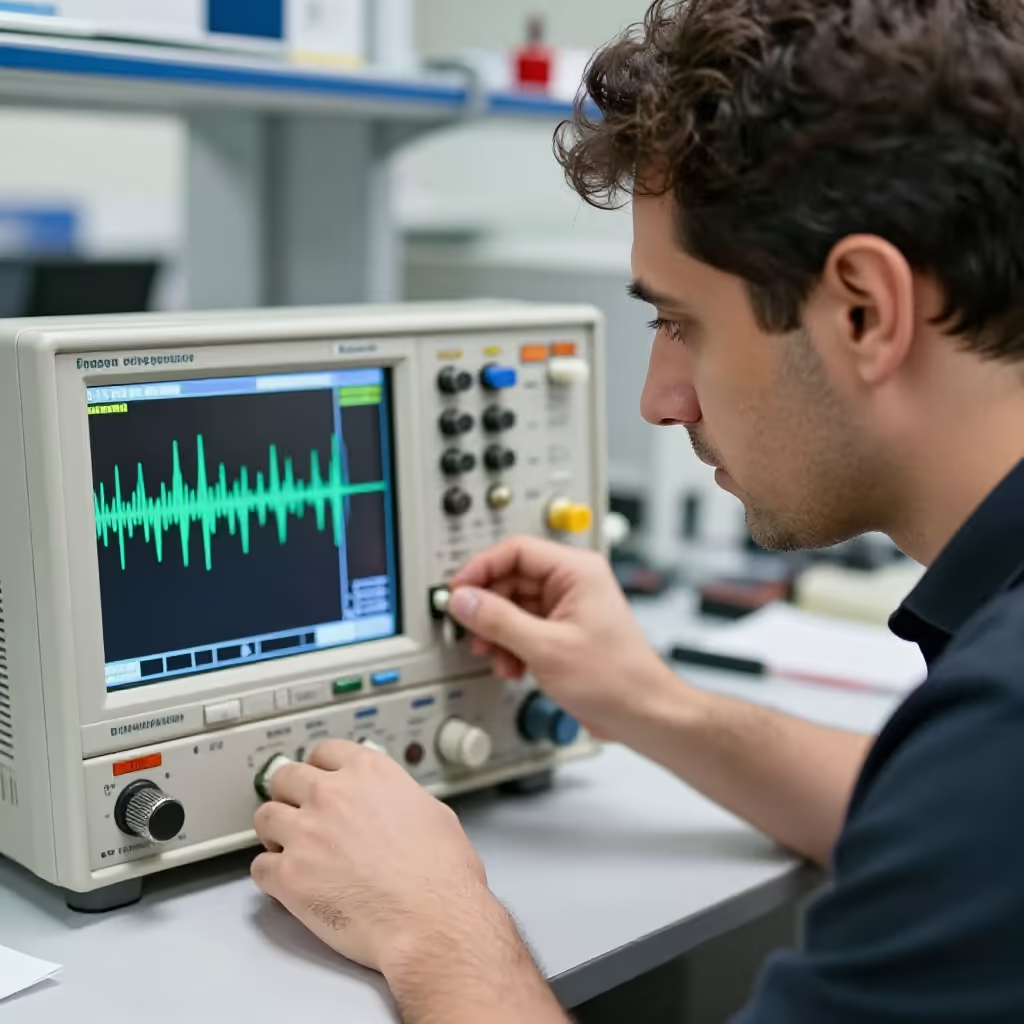
Wegen derselben Störung rauscht der Lautsprecher des Empfängers.
Because of the same interference, the receiver's speaker is hissing.
Ein zufälliger Rausch überlagert das schwache Signal des Empfängers.
Random noise is interfering with the receiver's weak signal.