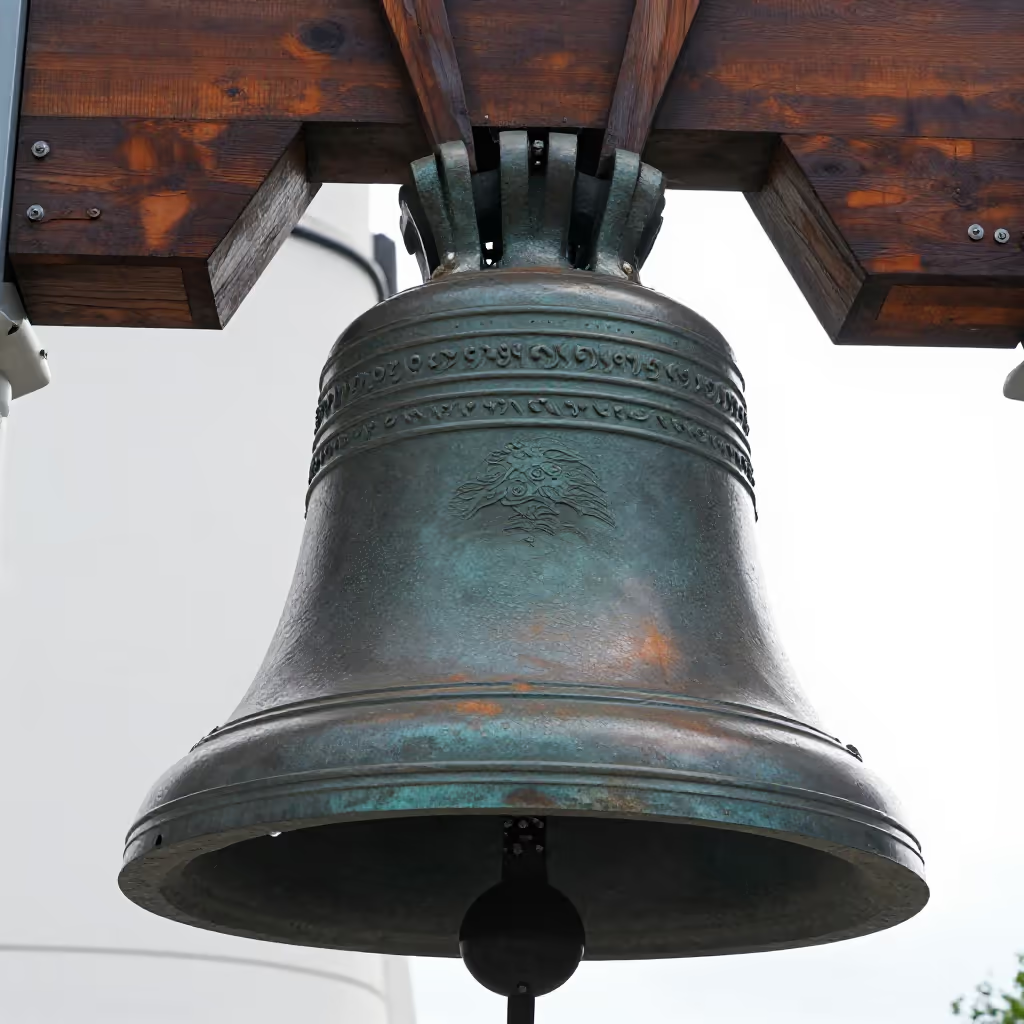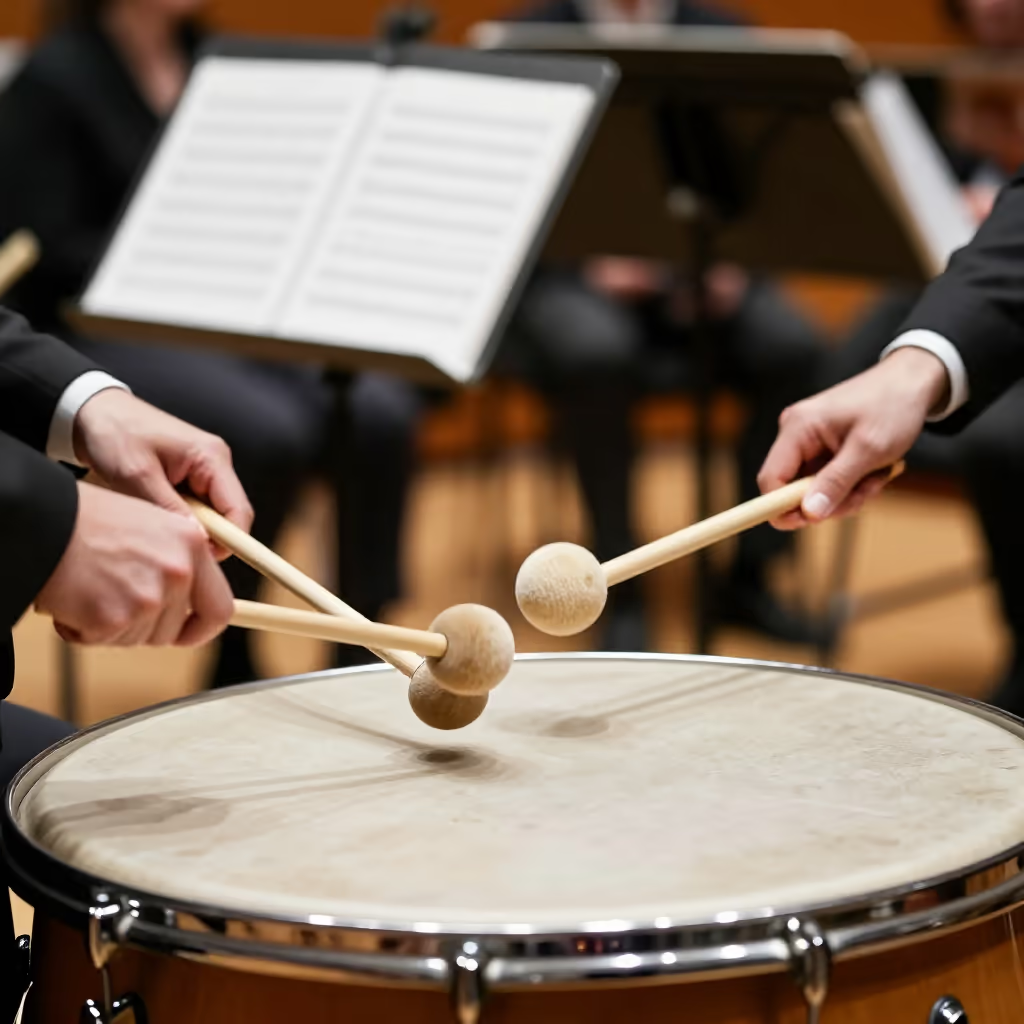
A hammer-like tool or instrument with a usually large, often non-metal head, used for striking, e.g. with percussion instruments such as timpani or in sculpture.
example
Der Musiker wählte einen weichen Schlegel, um einen sanften Ton auf dem Xylophon zu erzeugen.
The musician chose a soft mallet to produce a gentle sound on the xylophone.
Usage tips
Word family
'Der Schlegel' (the mallet/leg/clapper) is related to the verb 'schlagen' (to hit/strike). All meanings describe an object that has a striking or hammering function, whether in music, in a bell, or as a tool.
EXAMPLE
Er schlug mit dem Schlegel kräftig auf die Pauke.
He struck the timpani forcefully with the mallet.
Context clues
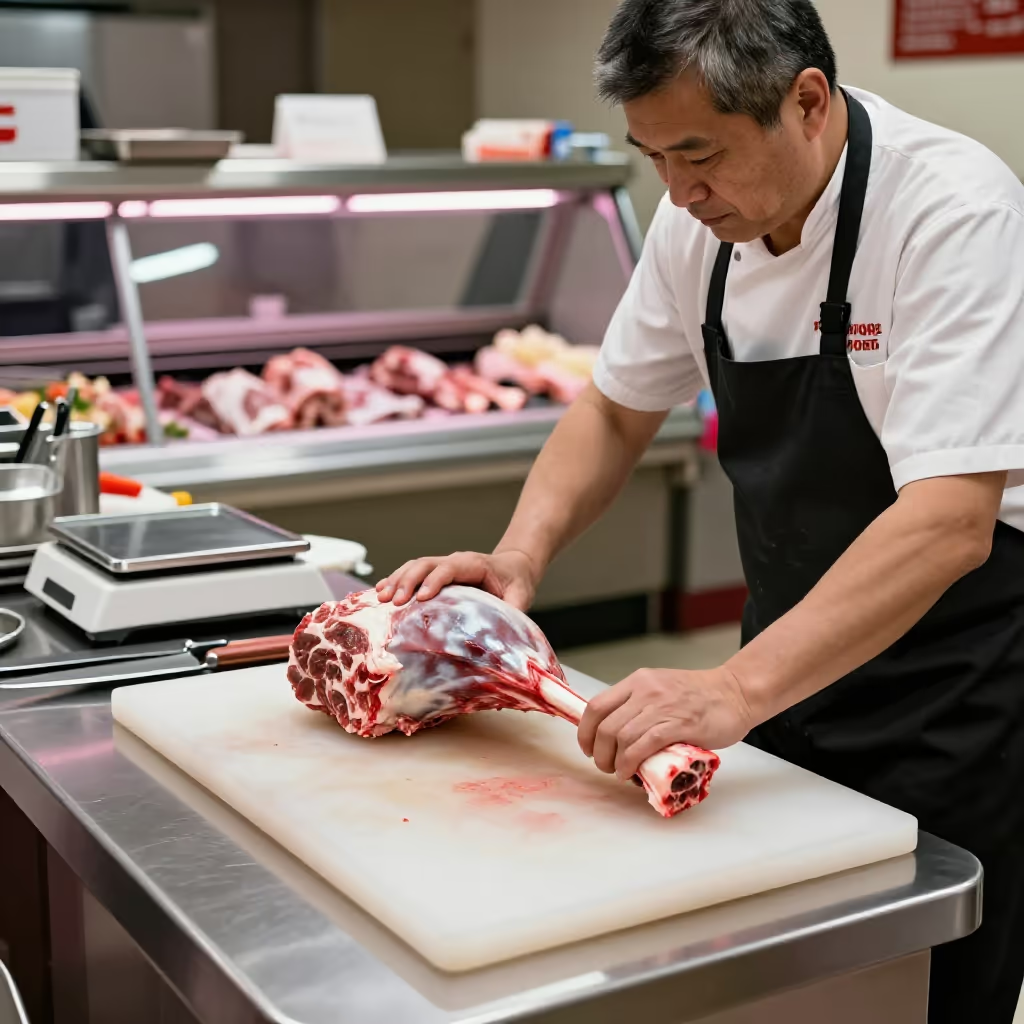
You can almost always recognize the meaning of 'Schlegel' (mallet/leg/clapper) from the context. Words like 'Pauke' (timpani), 'Xylophon' (xylophone), or 'Musiker' (musician) point to the musical instrument meaning (m01). Terms like 'Lamm' (lamb), 'braten' (to roast), or 'Rezept' (recipe) indicate the cut of meat (m02). In connection with 'Glocke' (bell) or 'Kirche' (church), it means the clapper (m03).
EXAMPLE
Der Schlagzeuger wechselte die Schlegel für das nächste Stück.
The drummer changed mallets for the next piece.
Typical combinations
In the culinary meaning, 'Schlegel' (leg) is almost always combined with the type of animal. The most common combinations are 'Lamm-Schlegel' (leg of lamb), 'Kalbs-Schlegel' (leg of veal), or 'Gänse-Schlegel' (goose leg).
EXAMPLE
Ein gebratener Kalbs-Schlegel ist eine Spezialität der Region.
A roasted leg of veal is a specialty of the region.
Compare with
near_synonym · confusable
Schlegel vs Hammer
hammer
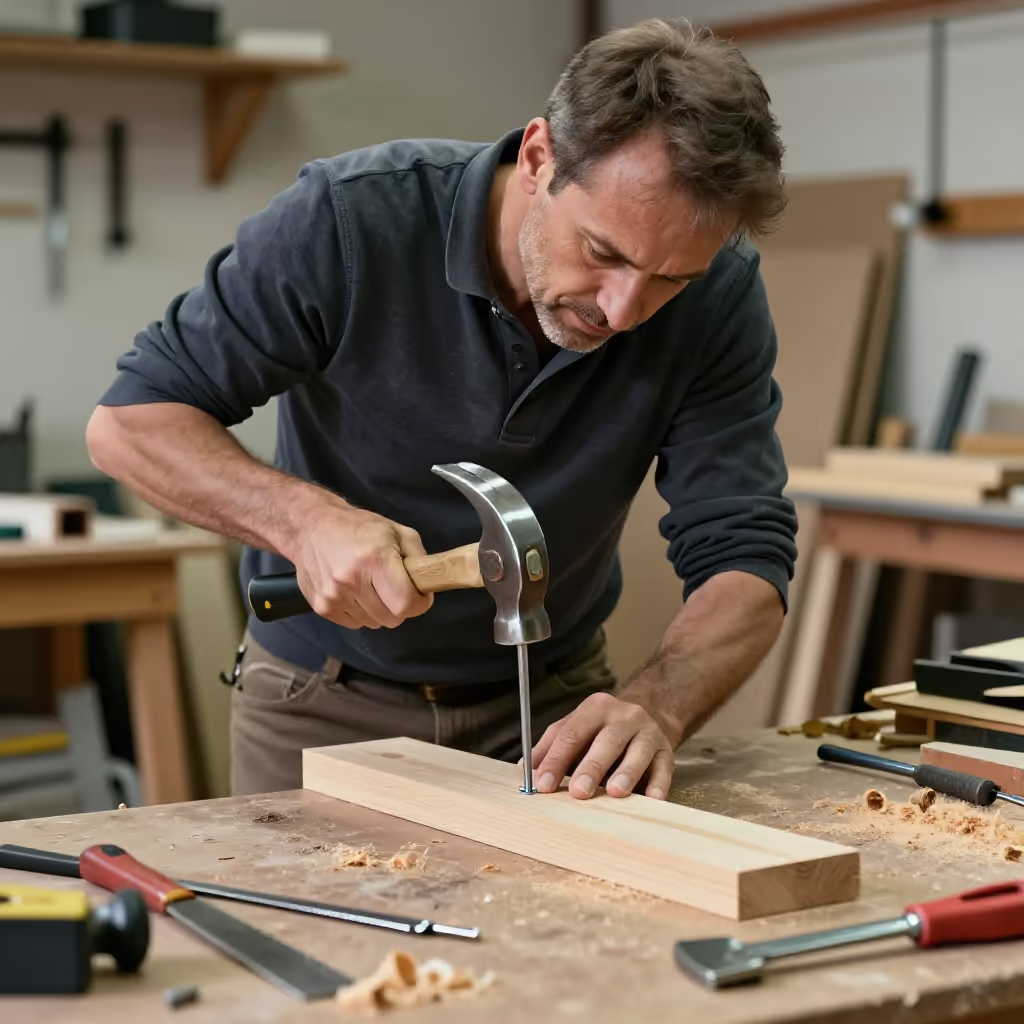
'der Hammer' and 'der Schlegel' can both be tools used for striking. 'Hammer' is the normal everyday word, for example when driving in nails. It usually has a metal head and a handle. 'Schlegel' sounds more specialized and is used more for a hammer-like tool with a large or softer head, for example with percussion instruments or in sculpture. The words can be confused because both hit or strike something. In practice: for normal household work, people almost always say 'Hammer'; in specialized craft or musical situations, 'Schlegel' is more likely.
Schlegel
Der Musiker nimmt den Schlegel und schlägt vorsichtig auf die Pauke.
The musician takes the mallet and carefully strikes the timpani.
Hammer
Für das Regal braucht sie einen Hammer und ein paar Nägel.
For the shelf, she needs a hammer and a few nails.