

schmieden
to forge
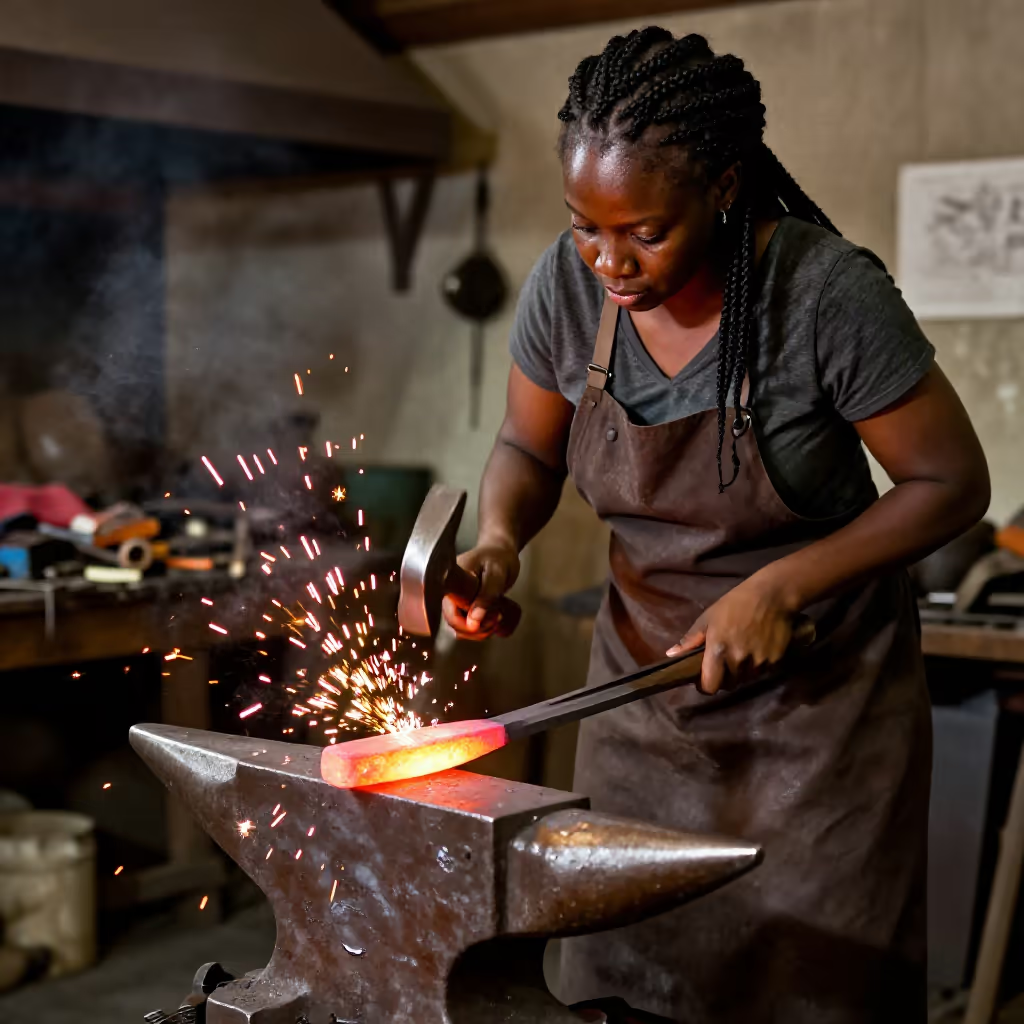
To shape metal, especially iron, while it is heated by hammering and working it into a desired form.
EXAMPLE
Der Hufschmied schmiedet ein glühendes Eisen auf dem Amboss.
The farrier forges a glowing piece of iron on the anvil.
to forge
Loading your saved state.
to forge
To shape metal, especially iron, while it is heated by hammering and working it into a desired form.
Der Hufschmied schmiedet ein glühendes Eisen auf dem Amboss.
The farrier forges a glowing piece of iron on the anvil.

to hatch / forge
In a figurative sense: to think up and develop plans, alliances, or intrigues.
Die Kinder schmiedeten einen geheimen Plan für die Geburtstagsüberraschung.
The children hatched a secret plan for the birthday surprise.
to forge
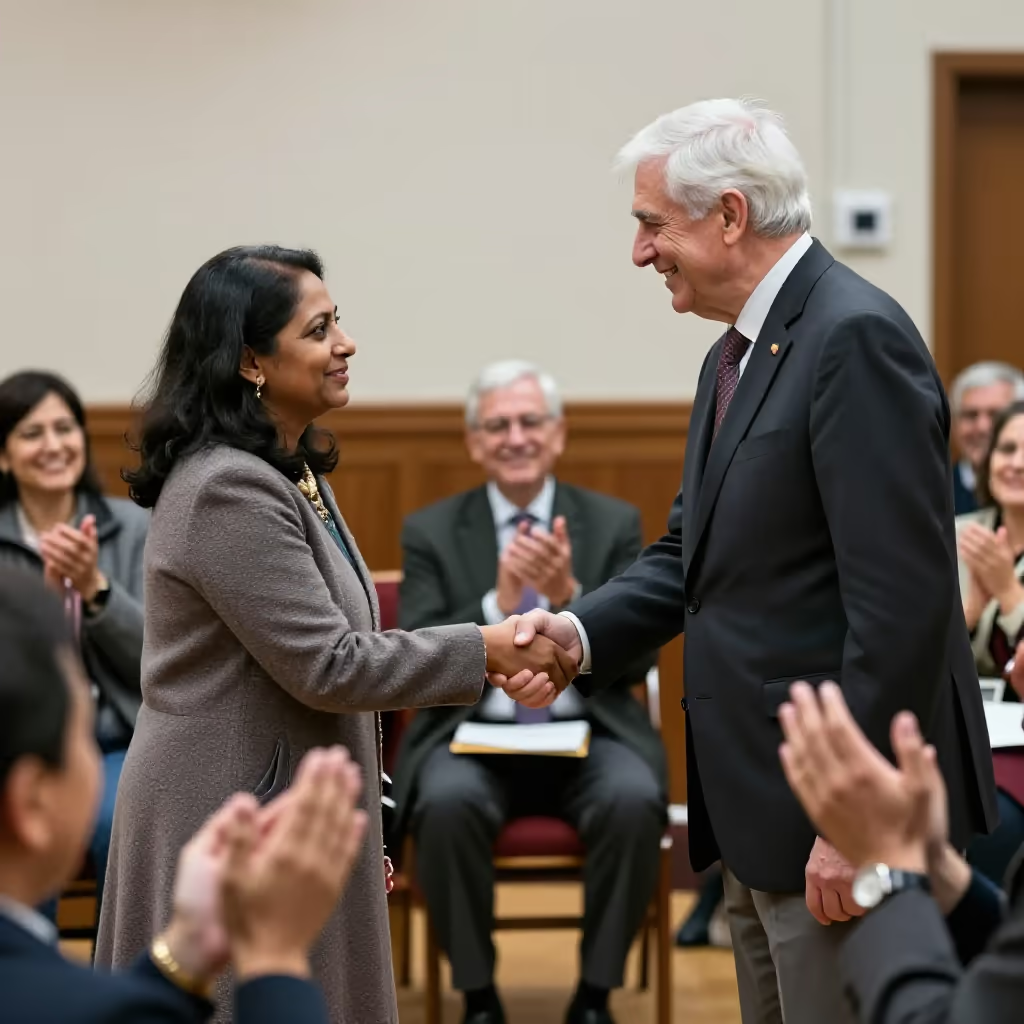
In a figurative sense: to create or form a strong, lasting connection or relationship.
Durch die gemeinsame Reise wurde eine tiefe Freundschaft zwischen ihnen geschmiedet.
Through the trip together, a deep friendship was forged between them.
The verb 'schmieden' (to forge) has a literal and a figurative meaning. The literal meaning always refers to working metal. The figurative meaning is used for developing abstract things such as plans or relationships.
Der Schmied schmiedet ein Hufeisen.
The blacksmith forges a horseshoe.
There is a well-known proverb: 'Man muss das Eisen schmieden, solange es heiß ist.' (You have to strike while the iron is hot.) It means that you should take advantage of a good opportunity immediately.
Das Jobangebot ist gut, also nimm es an! Du musst das Eisen schmieden, solange es heiß ist.
The job offer is good, so accept it! You have to strike while the iron is hot.
In this figurative meaning, 'schmieden' (to hatch/forge) is often combined with abstract nouns that express planning or conspiracy. Typical phrases are 'Pläne schmieden' (to make plans), 'Intrigen schmieden' (to hatch intrigues), or 'ein Komplott schmieden' (to hatch a plot).
Im Urlaub haben wir schon Pläne für die nächste Reise geschmiedet.
On vacation, we were already making plans for the next trip.
When it comes to relationships, 'schmieden' (to forge) is used to describe the active and often effortful creation of a strong connection. Common combinations are 'eine Freundschaft schmieden' (to forge a friendship), 'ein Bündnis schmieden' (to forge an alliance), or 'eine Allianz schmieden' (to forge an alliance).
Durch die gemeinsame Arbeit haben sie eine enge Freundschaft geschmiedet.
Through working together, they forged a close friendship.
to develop
Both words can refer to working out a plan. „Entwickeln“ is the neutral term for the planning process, while „schmieden“ places more emphasis on a purposeful and often determined plan. „Entwickeln“ fits ordinary planning, while „schmieden“ is more appropriate for a shared plan that is being deliberately pursued.

Die Gruppe schmiedet entschlossen einen Plan für das gemeinsame Wochenende.
The group is determined to hatch a plan for the weekend they will spend together.
Die Gruppe entwickelt einen Plan für das gemeinsame Wochenende.
The group is developing a plan for the weekend they will spend together.