

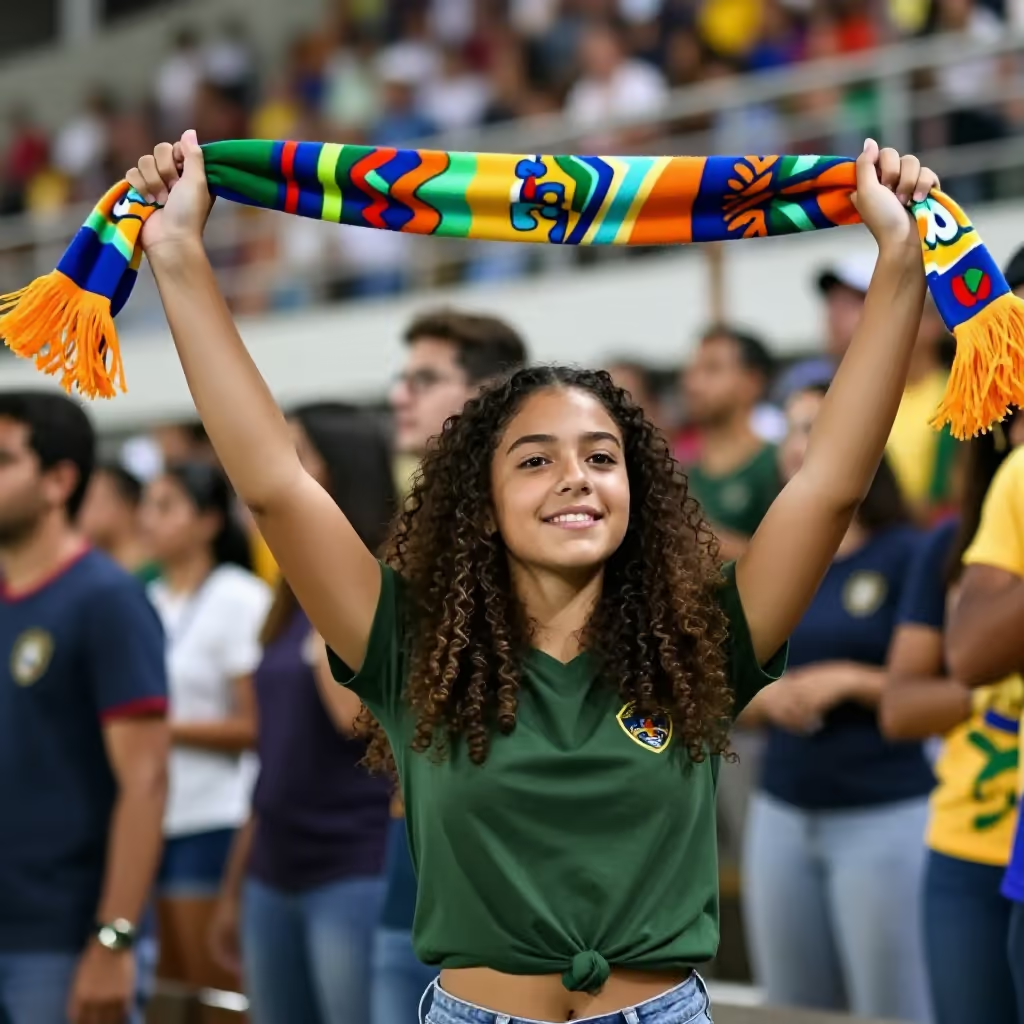
schwenken
to wave
To hold something in your hand and move it repeatedly back and forth or in a circle.
EXAMPLE
Die Fans schwenkten begeistert ihre Fahnen.
The fans enthusiastically waved their flags.
to wave / pan / toss
Loading your saved state.
to wave
To hold something in your hand and move it repeatedly back and forth or in a circle.
Die Fans schwenkten begeistert ihre Fahnen.
The fans enthusiastically waved their flags.
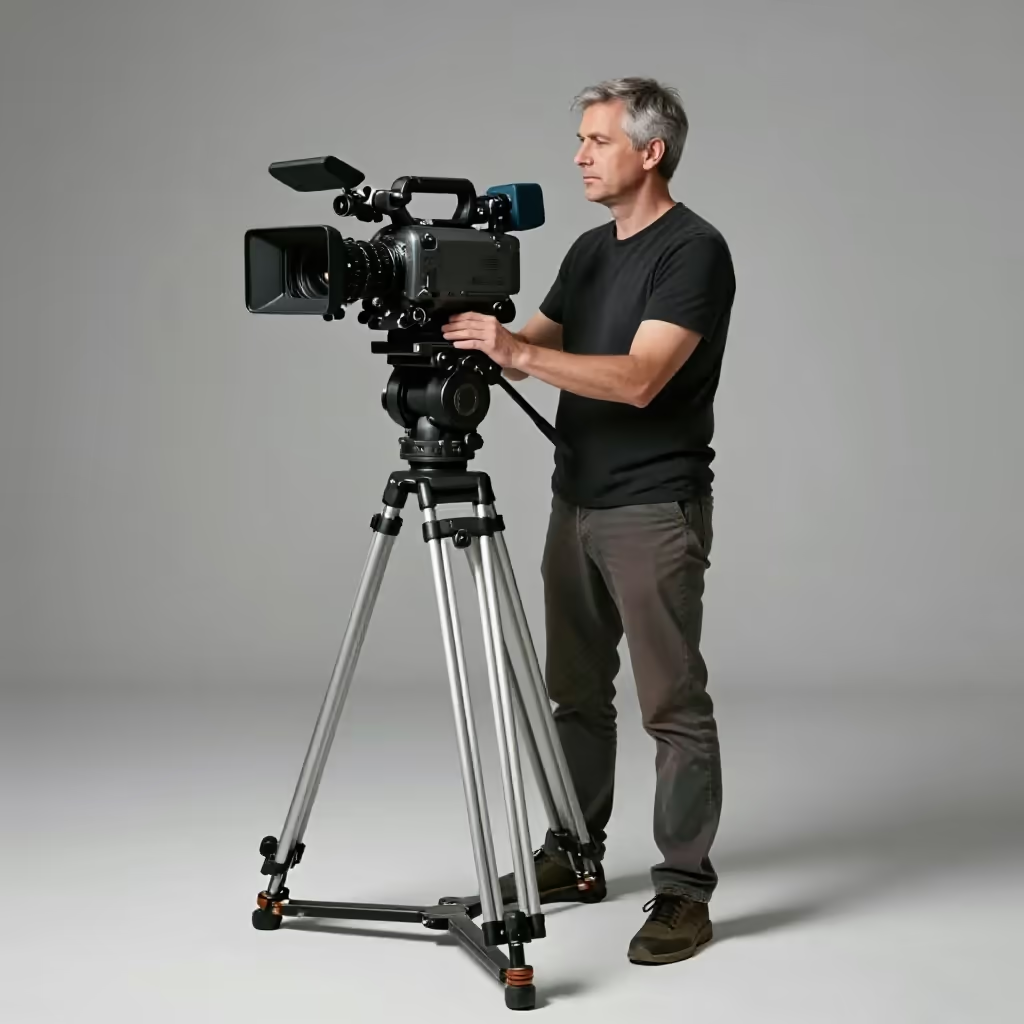
to pan
To rotate a device or object around an axis without changing one's own position.
Der Kameramann schwenkte langsam über die jubelnde Menge.
The cameraman slowly panned across the cheering crowd.
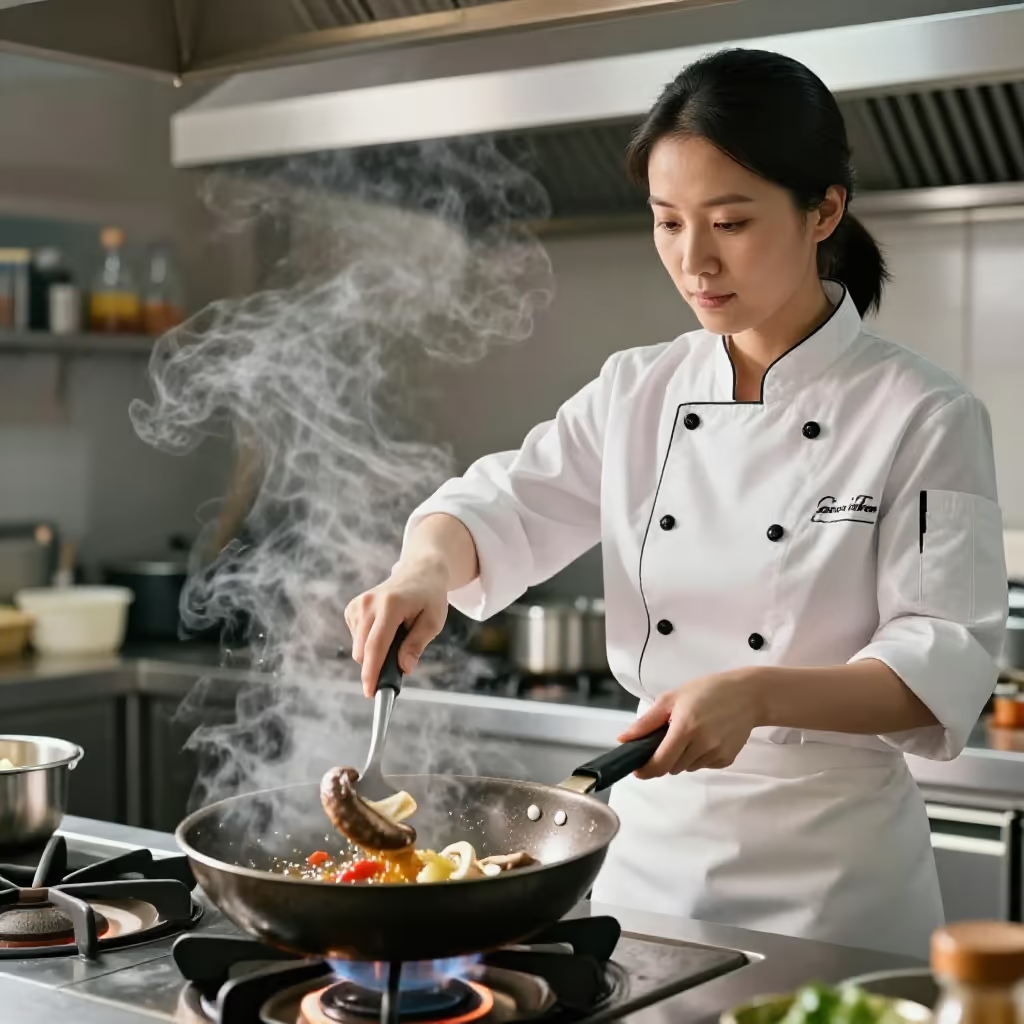
to toss
To turn and cook food in a pan with hot fat using quick, shaking movements.
Für das perfekte Aroma schwenkte er den Knoblauch kurz in Olivenöl.
For the perfect aroma, he briefly tossed the garlic in olive oil.
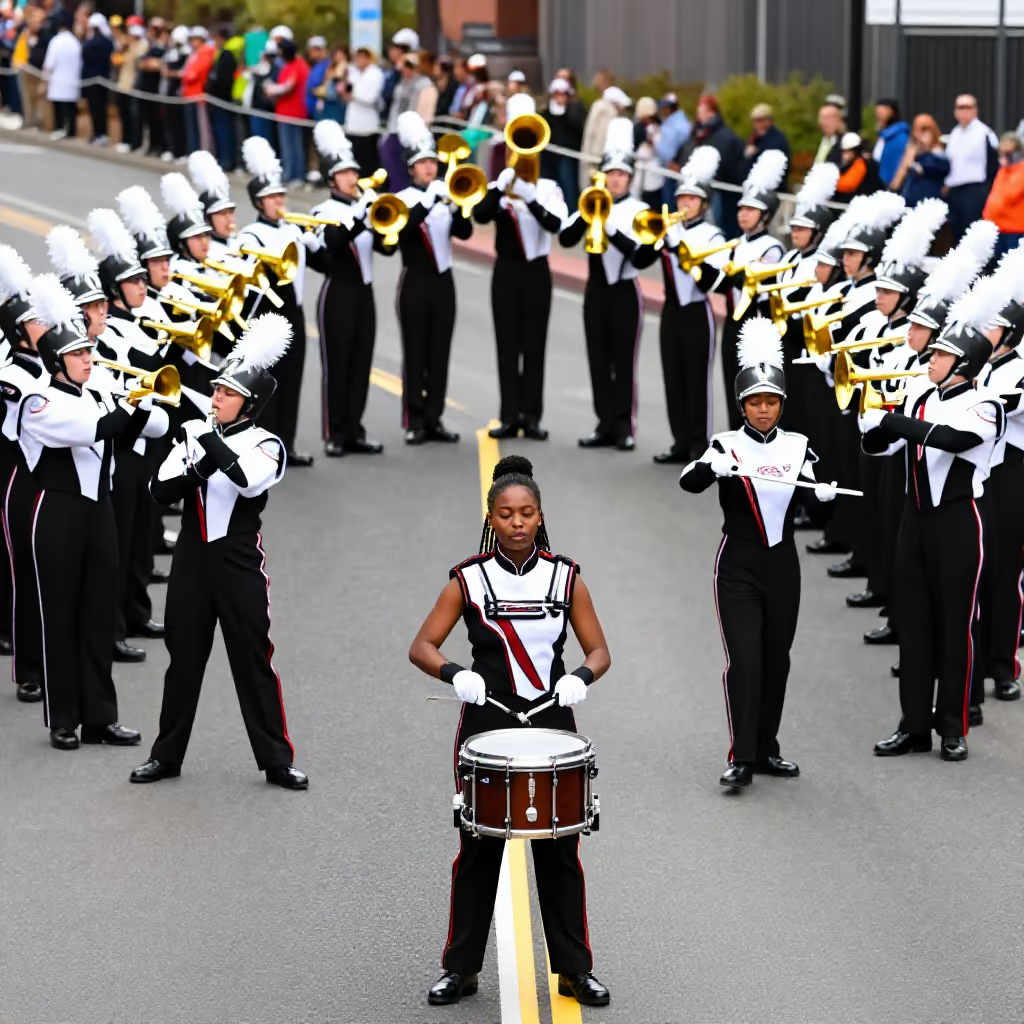
to wheel
As a group or formation, to carry out an orderly turn or change of direction.
Die Soldaten schwenkten auf Kommando nach links.
The soldiers wheeled to the left on command.
The verb 'schwenken' (to wave/pan/toss) is related to 'schwanken' (to sway, to stagger). Both words describe a swinging movement. The difference is that with 'schwenken', a person or a force actively moves something.
Er schwenkte die Weinflasche, bevor er sie öffnete.
He swirled the wine bottle before opening it.
In the meaning of 'to move something in your hand', 'schwenken' is often connected with objects that people move at celebrations or as a greeting. Typical examples are: 'Fahnen schwenken' (to wave flags), 'den Hut schwenken' (to wave one's hat), or 'ein Taschentuch schwenken' (to wave a handkerchief).
Zum Abschied schwenkte sie ihr weißes Taschentuch.
As a farewell, she waved her white handkerchief.
You can recognize this meaning from the fact that technical devices are often the object. Typical examples are a camera, a crane, or a spotlight that rotates around an axis.
Der Kranführer schwenkte die schwere Last vorsichtig zur Seite.
The crane operator carefully swung the heavy load to the side.
In the context of cooking, 'schwenken' is almost always used with a preposition such as 'in' or 'durch'. You toss something in butter, in oil, or through a sauce.
Die Nudeln werden nach dem Kochen kurz in Salbeibutter geschwenkt.
After cooking, the noodles are briefly tossed in sage butter.
This meaning refers to the orderly movement of a group. The subject is therefore typically a formation, for example soldiers, a dance group, or a company.
Die Garde schwenkte im Gleichschritt um die Ecke.
The guard wheeled around the corner in step.
to turn / film
Both words can describe a device moving around an axis. Drehen is the more general word for rotation or a change of direction, while schwenken emphasizes movement around a fixed axis while remaining in the same location. Drehen works for a simple change of direction; schwenken is often used for this kind of panning movement.
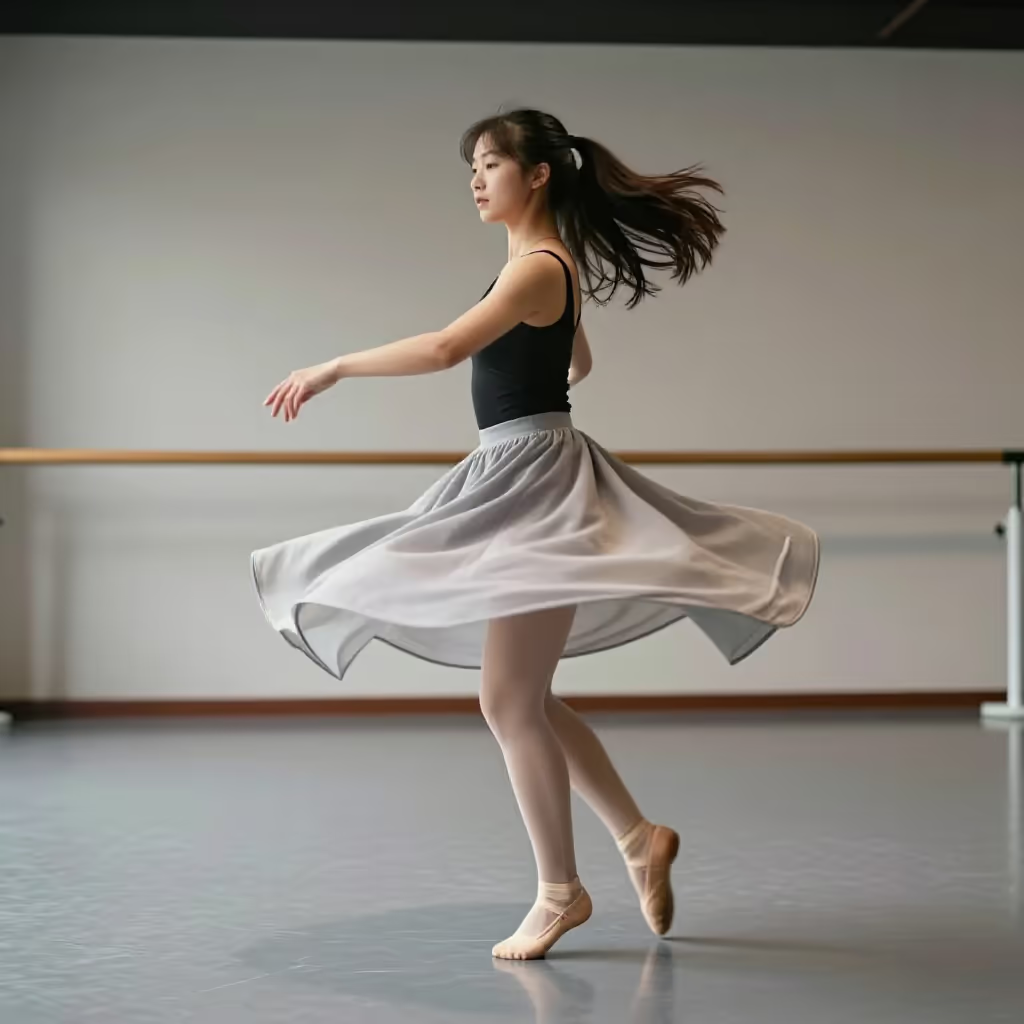
Der Kameramann schwenkt die Kamera nach links.
The cameraman pans the camera to the left.
Der Kameramann dreht die Kamera nach links.
The cameraman turns the camera to the left.