

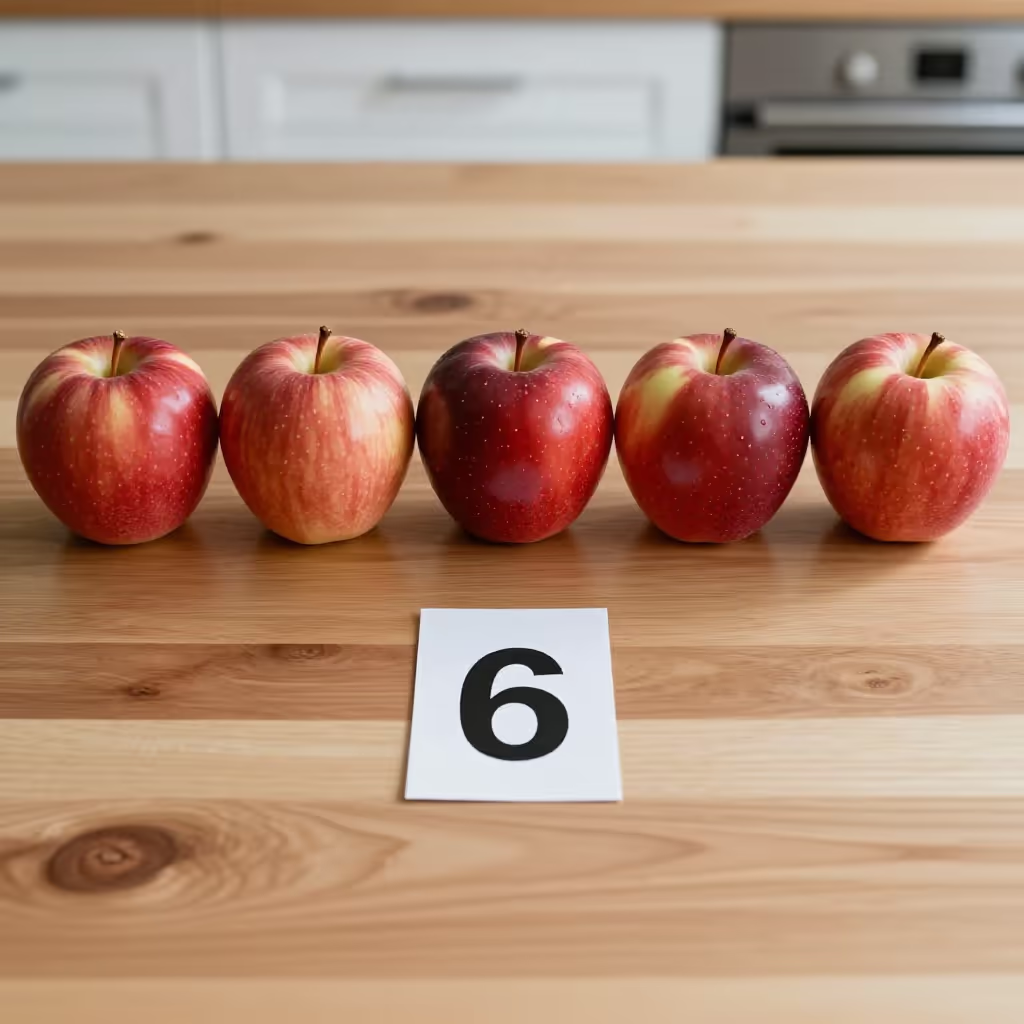
sechs
six
The cardinal number that follows five; the digit 6.
EXAMPLE
Ein Würfel hat sechs Seiten.
A die has six sides.
six
Loading your saved state.
six
The cardinal number that follows five; the digit 6.
Ein Würfel hat sechs Seiten.
A die has six sides.
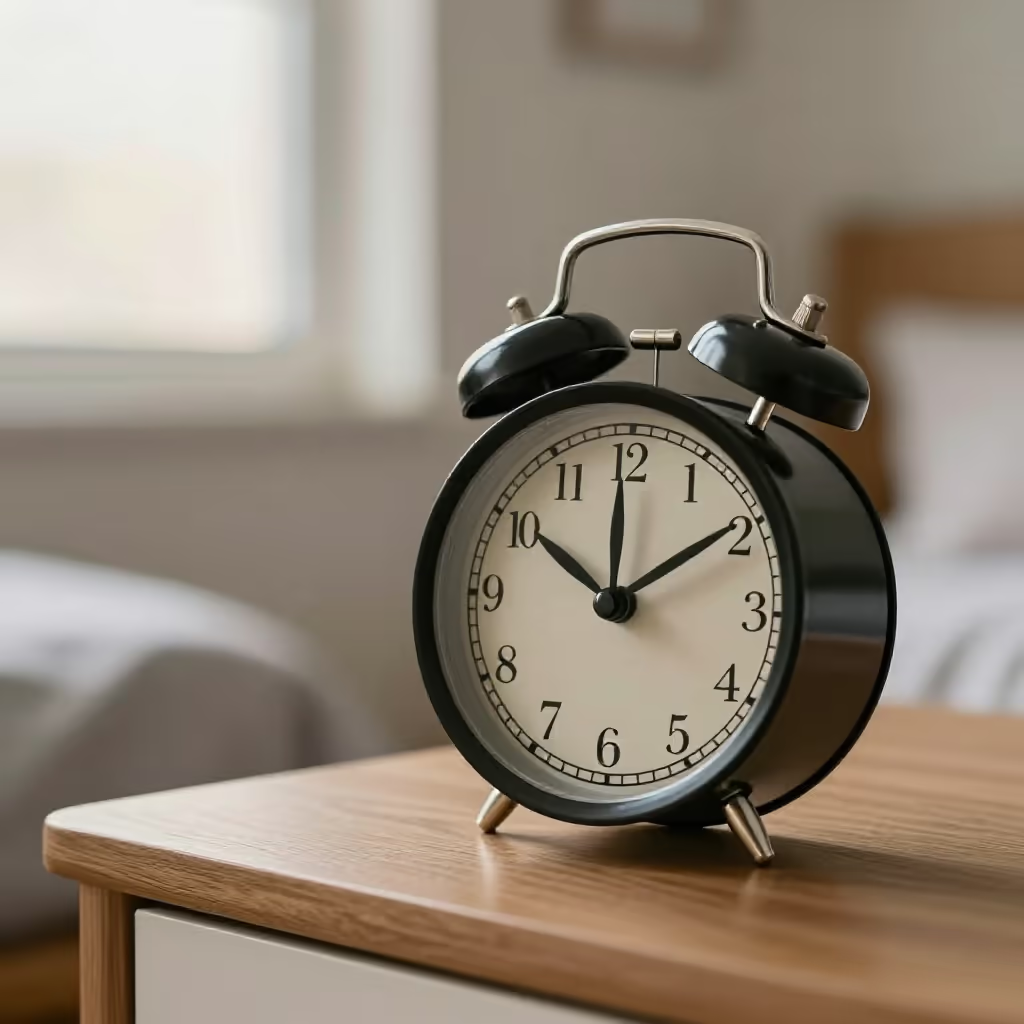
six o'clock
Indicates the time 6 a.m. or 6 p.m.
Der Zug fährt pünktlich um sechs ab.
The train departs on time at six.

six
The worst school grade ('insufficient/fail') in the German grading system.
Für seine leere Abgabe hat er die Note sechs bekommen.
For his blank submission, he got a grade of six.
In the German school system, 'eine Sechs' (a six) is the worst grade and means 'ungenügend' (fail). A good grade, by contrast, is 'eine Eins' (a one).
Er hat in der Matheprüfung eine Sechs geschrieben.
He got a six on the math exam.
To state a time, you use the preposition 'um' (at). The sentence 'Wir treffen uns um sechs' (We are meeting at six) can mean 6:00 in the morning or 6:00 in the evening. The context usually makes it clear.
Der Wecker klingelt jeden Morgen um sechs.
The alarm clock rings every morning at six.
In two-digit numbers up to 99, German names the ones digit before the tens digit. The pattern is 'ones and tens', for example 'sechsundzwanzig' (six-and-twenty) for 26.
Meine Oma wird nächste Woche sechsundachtzig Jahre alt.
My grandma will turn eighty-six next week.
The number 'sechs' (six) can also be used as the noun 'die Sechs' (the six). You use it, for example, for a bus line, a house number, or the result when rolling dice.
Du musst die Sechs nehmen, um zum Bahnhof zu kommen.
You have to take the six to get to the train station.
six
Sechs simply states the number. Zu sechst, on the other hand, describes six people forming a group together. Use sechs before a counted noun and sechst only in the fixed expression zu sechst.

Sechs Freunde fahren gemeinsam an den See.
Six friends are going to the lake together.
Die Freunde fahren zu sechst an den See.
The friends are going to the lake as a group of six.