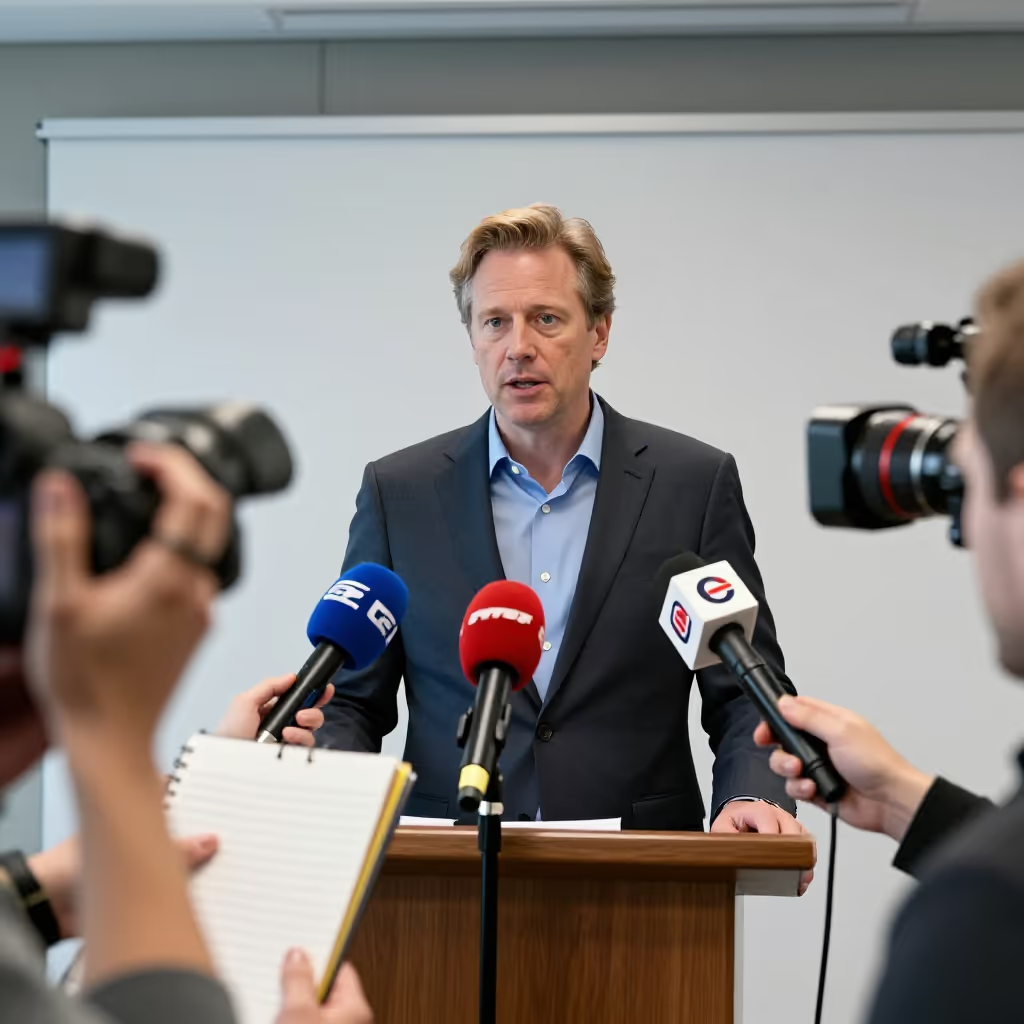
A person who officially speaks on behalf of an organization, party, or company and passes information on to the public.
example
Der Sprecher der Regierung wird um 14 Uhr eine Erklärung abgeben.
The government spokesperson will make a statement at 2 p.m.
Usage tips
Word structure
The noun 'der Sprecher' (the speaker/spokesperson) is derived directly from the verb 'sprechen' (to speak). The ending '-er' refers to the person who performs the action. A Sprecher is therefore a person who speaks, usually in an official or professional role.
EXAMPLE
Ein Sprecher ist eine Person, die spricht – oft in einem beruflichen Kontext.
A speaker is a person who speaks—often in a professional context.
Context clue: politics & business
When a 'Sprecher' (spokesperson) is mentioned in connection with 'Regierung' (government), 'Unternehmen' (company), 'Partei' (party), or 'Presse' (press), it refers to the person who makes official statements (a press spokesperson).
EXAMPLE
Der Sprecher des Unternehmens beantwortete die Fragen der Journalisten.
The company spokesperson answered the journalists' questions.
Context clue: media
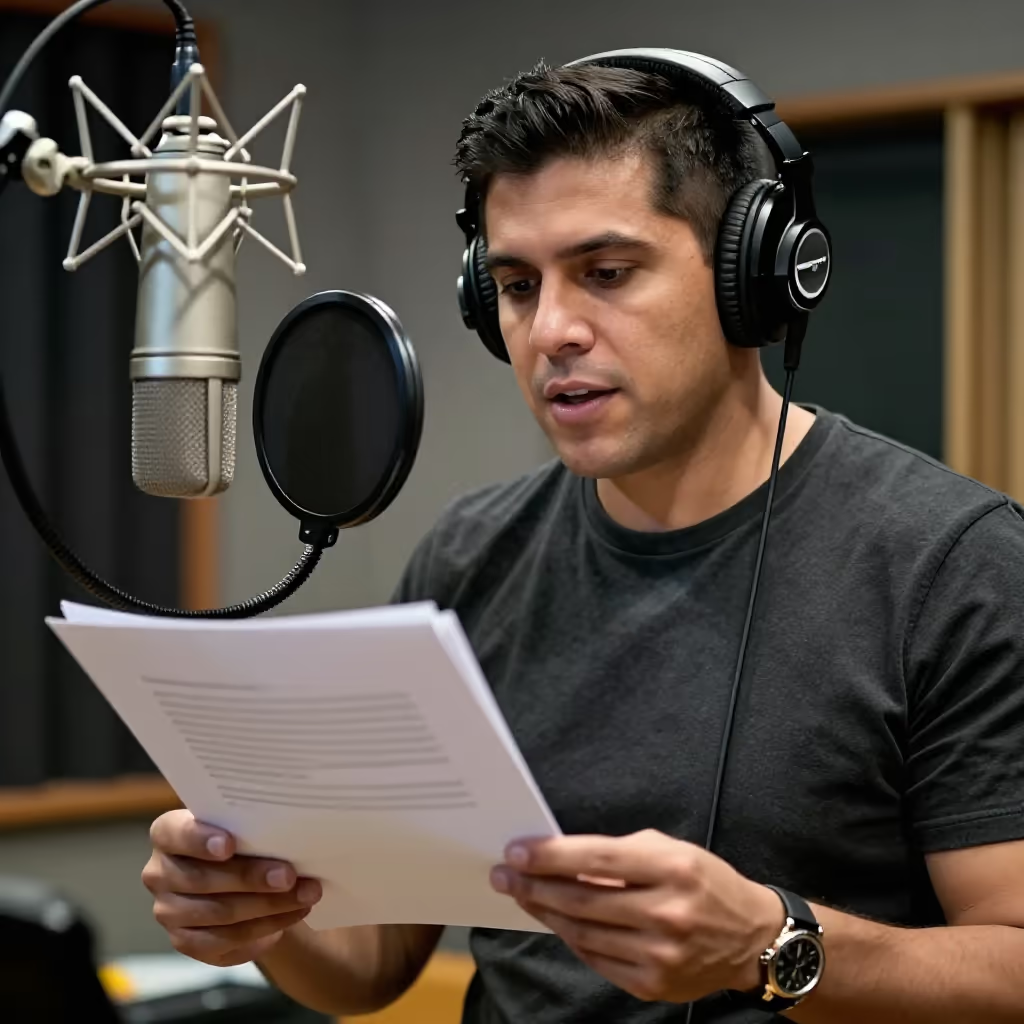
In combination with words like 'Hörbuch' (audiobook), 'Dokumentation' (documentary), 'Nachrichten' (news), or 'Werbung' (advertising), 'Sprecher' (narrator/voice actor) refers to a person who professionally records texts with their voice.
EXAMPLE
Er hat eine sehr bekannte Stimme, weil er viele Hörbücher als Sprecher liest.
He has a very well-known voice because he reads many audiobooks as a narrator.
Context clue: parliament
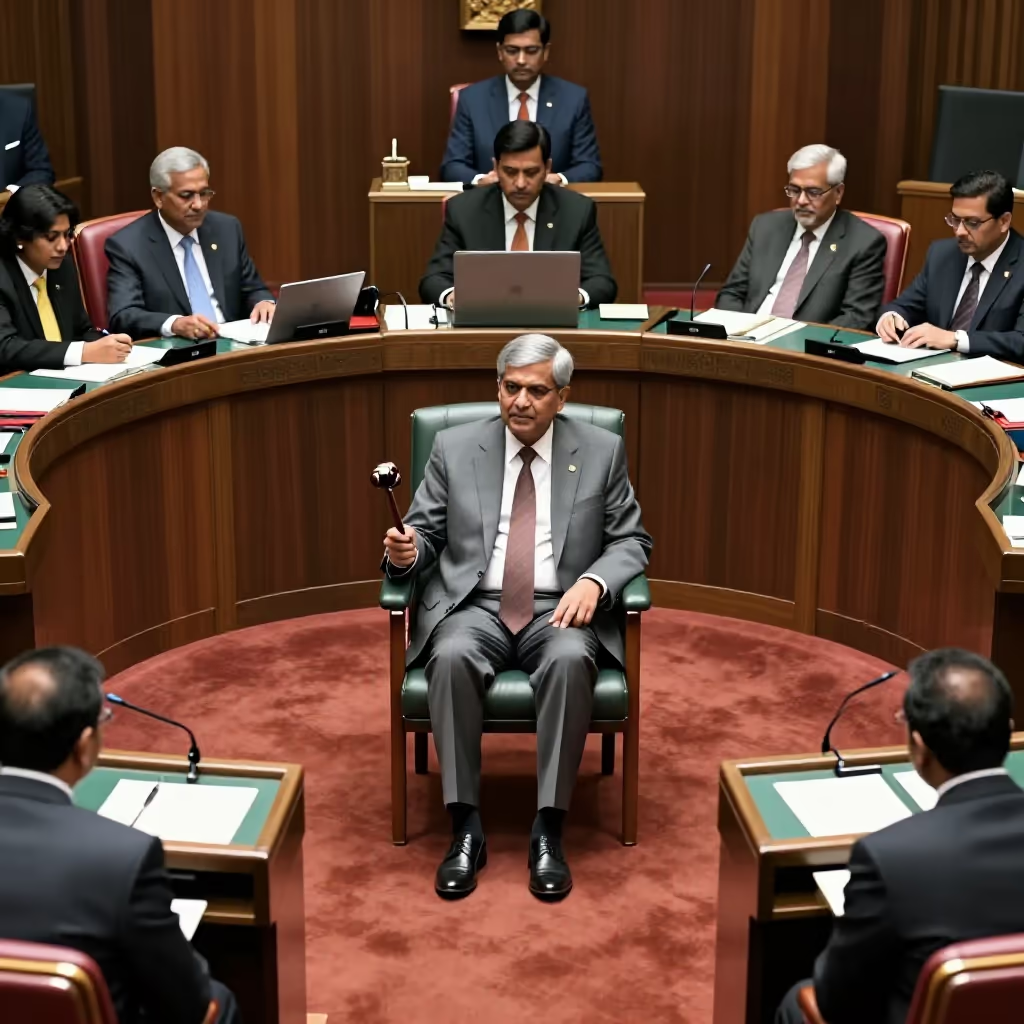
In a political context, 'der Sprecher' (the speaker) refers to the person who leads a parliamentary session. The title is often combined with the name of the parliament, e.g. 'der Sprecher des Bundestages' (the Speaker of the Bundestag).
EXAMPLE
Die Sitzung im Parlament wird vom Sprecher eröffnet und geleitet.
The session in parliament is opened and led by the speaker.
Register: technical language
The meaning of 'Sprecher' (speaker) as a person who makes a linguistic utterance is used almost exclusively in linguistics. This meaning is uncommon in everyday language.
EXAMPLE
In der Linguistik analysiert man die Beziehung zwischen Sprecher und Hörer.
In linguistics, the relationship between speaker and listener is analyzed.
Compare with
near_synonym · confusable
Sprecher vs Vertreter
representative / substitute
'der Vertreter' and 'der Sprecher' can both act on behalf of others. 'Vertreter' is broader: a 'Vertreter' can act for a person, group, or company, negotiate, or prepare decisions, for example in sales or at an appointment. 'Sprecher' more specifically means a person who officially says something or passes on information. Learners may confuse the words because both can represent an organization externally. When it is about acting or appearing on someone’s behalf, 'Vertreter' fits. When it is mainly about official speaking, 'Sprecher' fits better.
Sprecher
Der Sprecher der Stadt informiert die Presse über die neuen Regeln.
The city spokesperson informs the press about the new rules.
Vertreter
Der Vertreter der Firma erklärt dem Kunden den neuen Vertrag.
The company representative explains the new contract to the customer.