

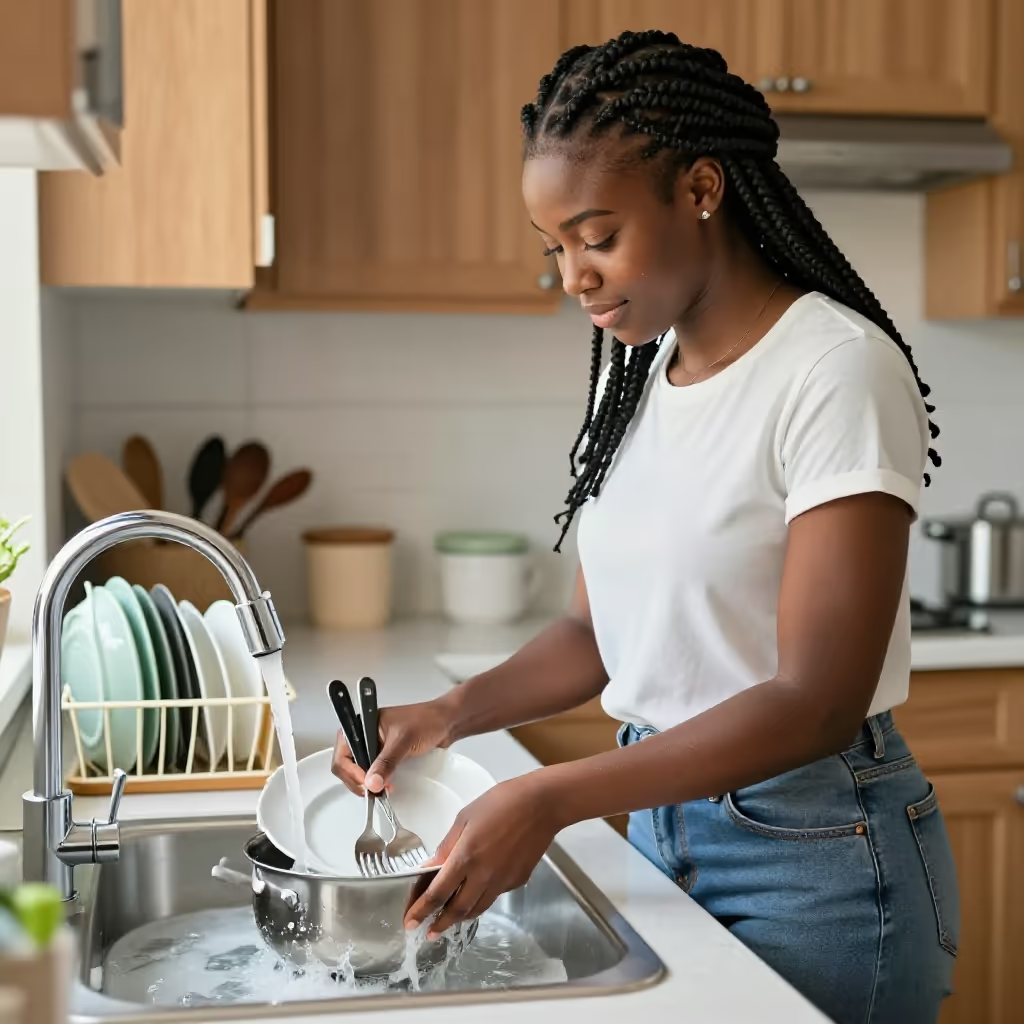
spülen
to wash
To clean dishes, cutlery, and pots with water and dish soap.
EXAMPLE
Nach dem Abendessen muss ich noch das Geschirr spülen.
After dinner, I still have to wash the dishes.
to wash / rinse / flush
Loading your saved state.
to wash
To clean dishes, cutlery, and pots with water and dish soap.
Nach dem Abendessen muss ich noch das Geschirr spülen.
After dinner, I still have to wash the dishes.
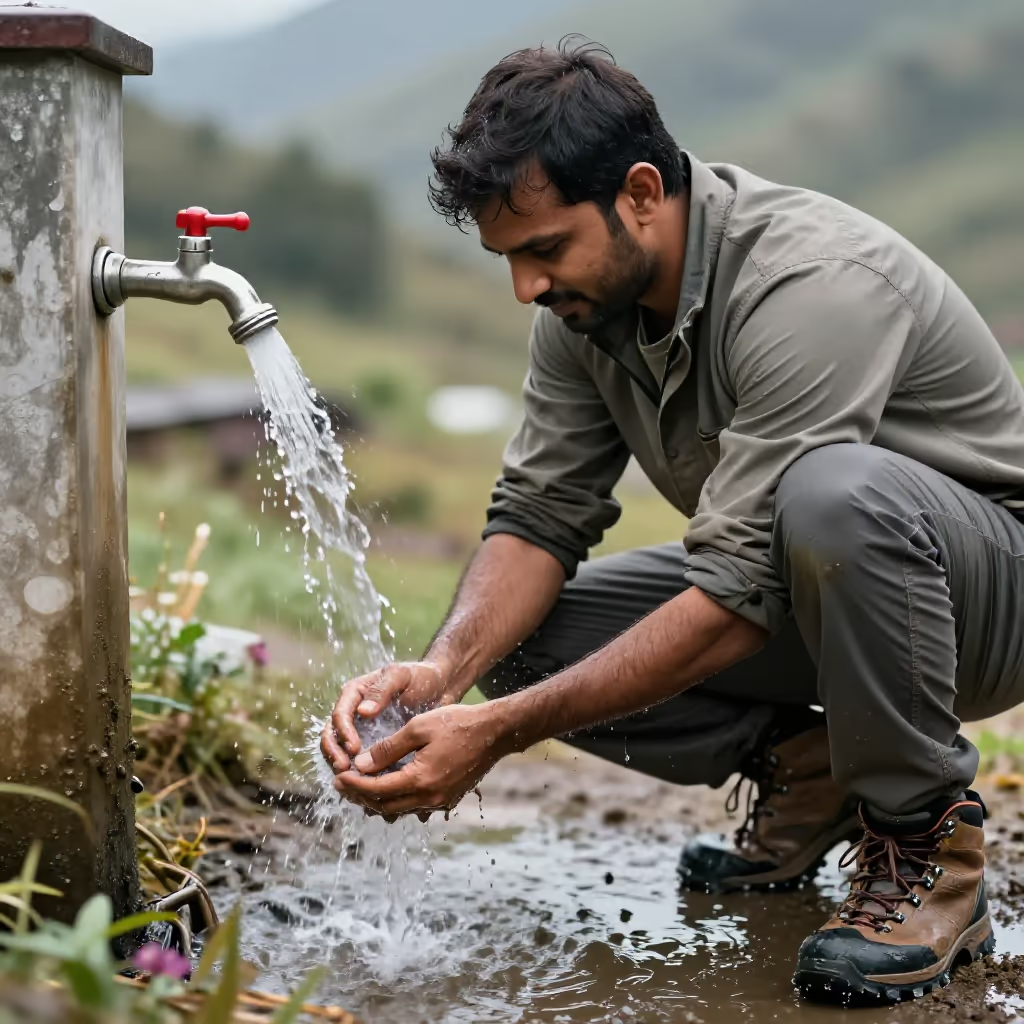
to rinse
To wash something through or off with a liquid, usually water, in order to clean it or free it from something.
Spülen Sie die Wunde vorsichtig mit klarem Wasser.
Rinse the wound carefully with clean water.
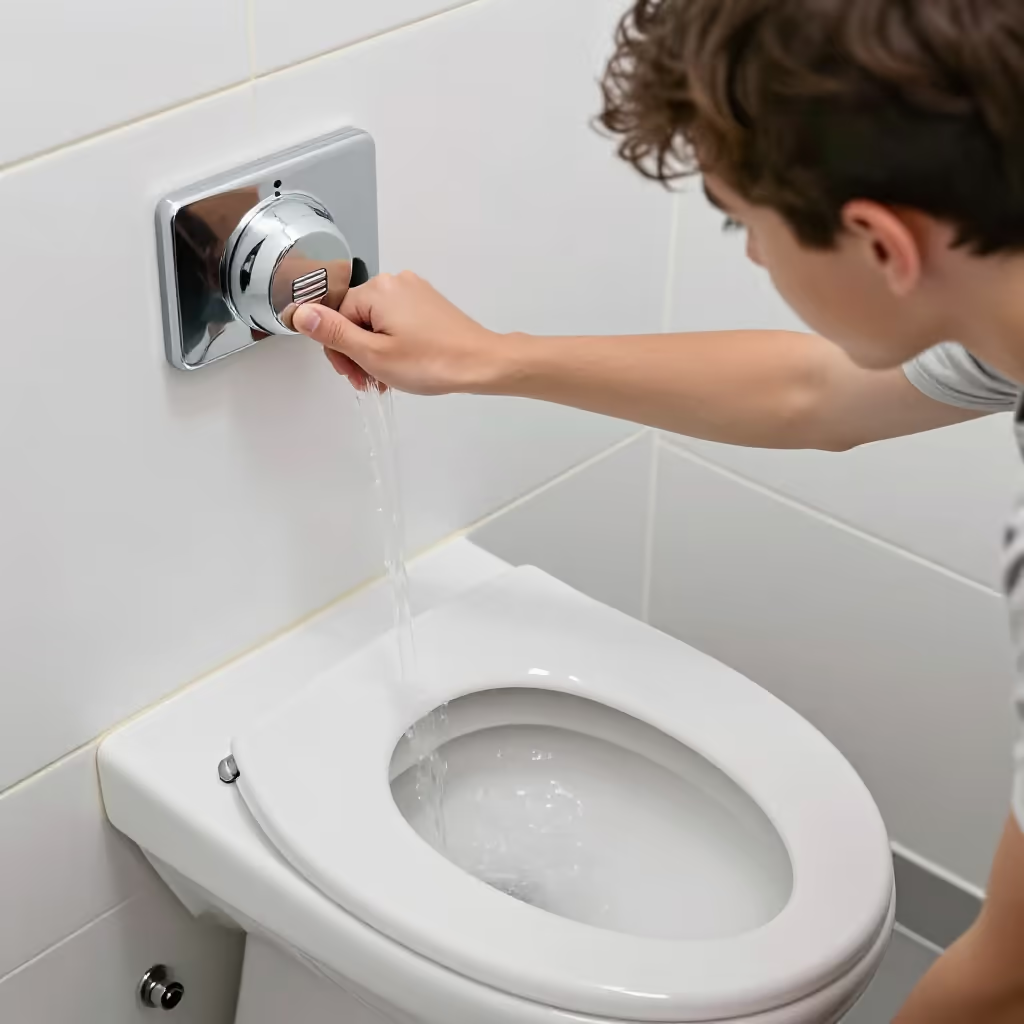
to flush
To operate the toilet flush in order to wash away the contents of the toilet bowl with water.
Vergiss bitte nicht zu spülen, nachdem du auf der Toilette warst.
Please don't forget to flush after you've been to the toilet.
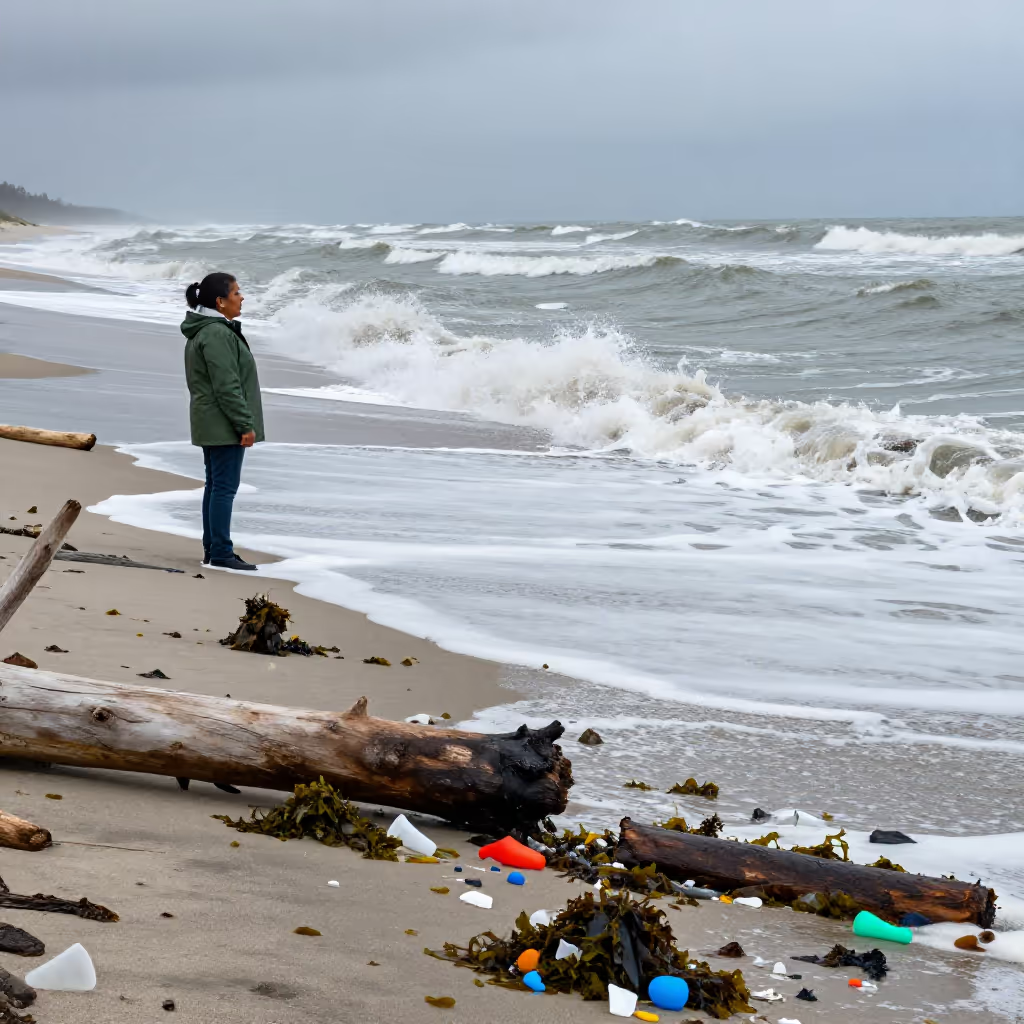
to wash
Describes the movement of water carrying something along and transporting it to another place, for example onto land.
Das Meer hat viele Muscheln an den Strand gespült.
The sea washed many shells onto the beach.
The verb 'spülen' (to wash/rinse/flush) is the stem for several useful nouns. 'Die Spüle' (sink) is the place where you wash dishes, 'die Spülmaschine' (dishwasher) is the appliance for it, and 'die Spülung' (flush/rinse) is the process, e.g. for the toilet or for hair.
Stell das schmutzige Geschirr bitte in die Spüle.
Please put the dirty dishes in the sink.
The exact meaning of 'spülen' (to wash/rinse/flush) depends strongly on the object. 'Geschirr spülen' means to wash dishes, 'den Mund spülen' means to rinse your mouth, and in the bathroom 'spülen' usually refers to flushing the toilet.
Nach dem Zähneputzen sollst du den Mund gut spülen.
After brushing your teeth, you should rinse your mouth well.
When it is about dishes, 'spülen' (to wash) is often combined with 'von Hand' (by hand) or, in contrast, 'mit der Spülmaschine' (with the dishwasher). You can also simply say 'spülen' if the context is clear.
Ich spüle lieber von Hand, als die Spülmaschine zu benutzen.
I prefer washing dishes by hand to using the dishwasher.
In this meaning, the water (e.g. the sea, the river) is the subject of the sentence. What is moved is the accusative object, and the direction is often indicated with 'an' + accusative.
Die Flut hat viel Treibholz an die Küste gespült.
The tide washed a lot of driftwood onto the coast.
to wash
Waschen and spülen can both be possible when cleaning dishes with water. For dishes, cutlery, and pots, however, spülen is the established and especially idiomatic everyday choice. Waschen remains understandable and possible here, but sounds more general.
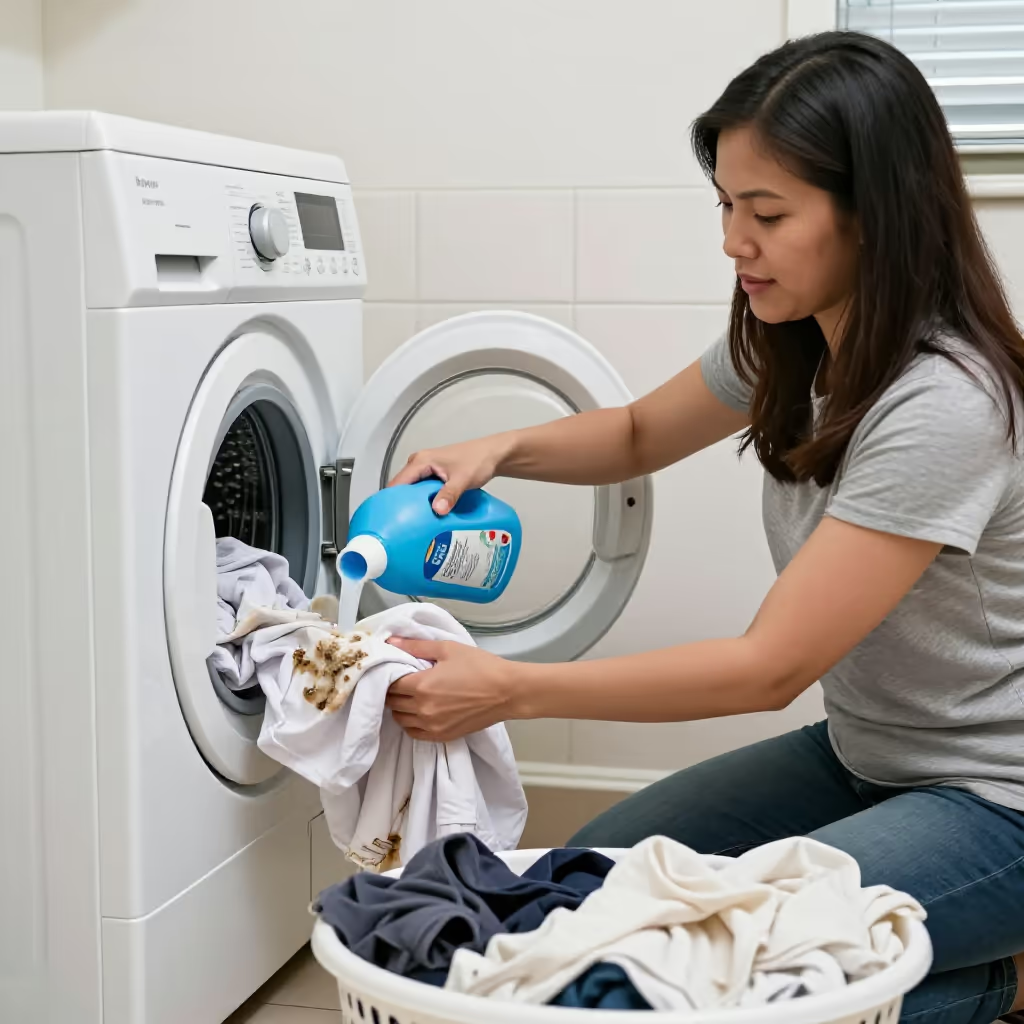
Nach dem Essen spüle ich das Geschirr mit Wasser und Spülmittel.
After the meal, I wash the dishes with water and dish soap.
Nach dem Essen wasche ich das Geschirr mit Wasser und Spülmittel.
After the meal, I wash the dishes with water and dish soap.