

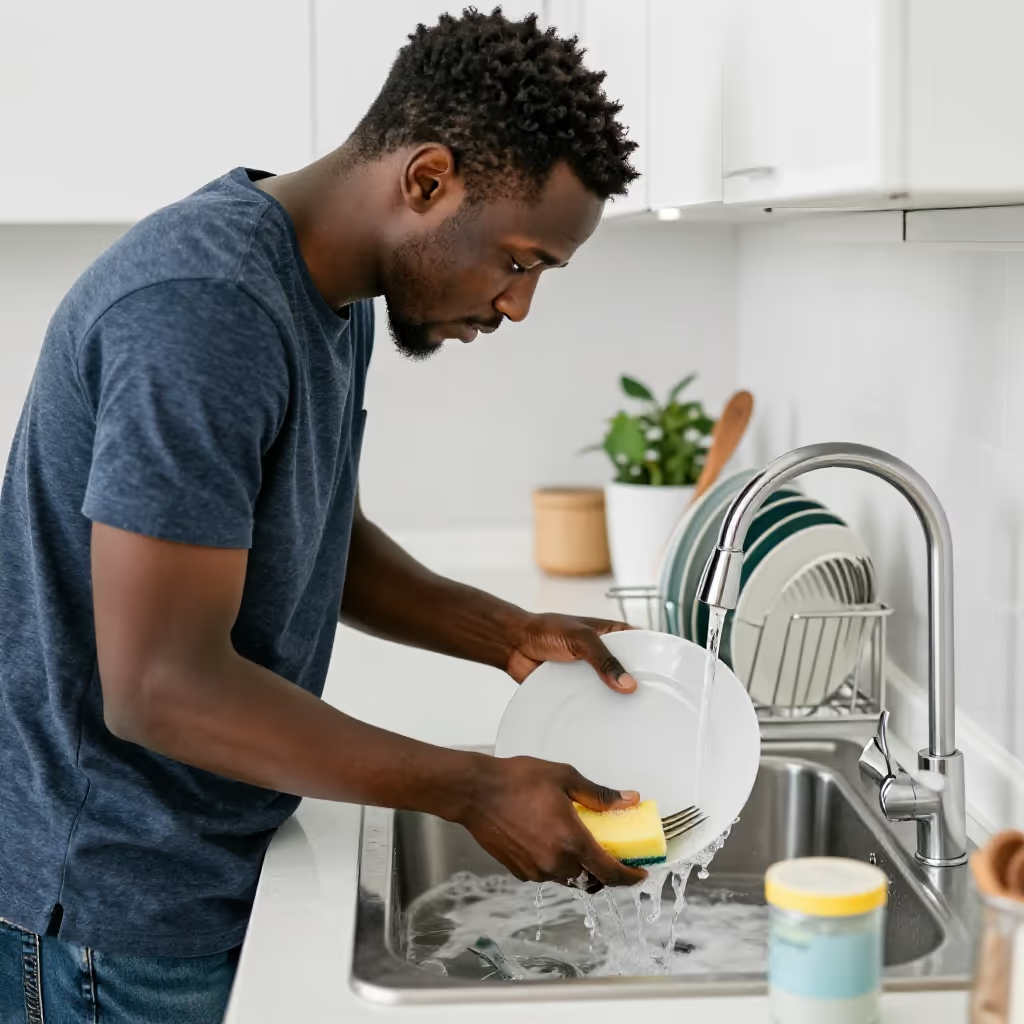
abwaschen
to wash up
To clean used dishes, cutlery, and cooking utensils with water and dish soap.
EXAMPLE
Wer kocht, muss hinterher nicht abwaschen.
Whoever cooks doesn't have to wash up afterward.
to wash up / wash off
Loading your saved state.
to wash up
To clean used dishes, cutlery, and cooking utensils with water and dish soap.
Wer kocht, muss hinterher nicht abwaschen.
Whoever cooks doesn't have to wash up afterward.
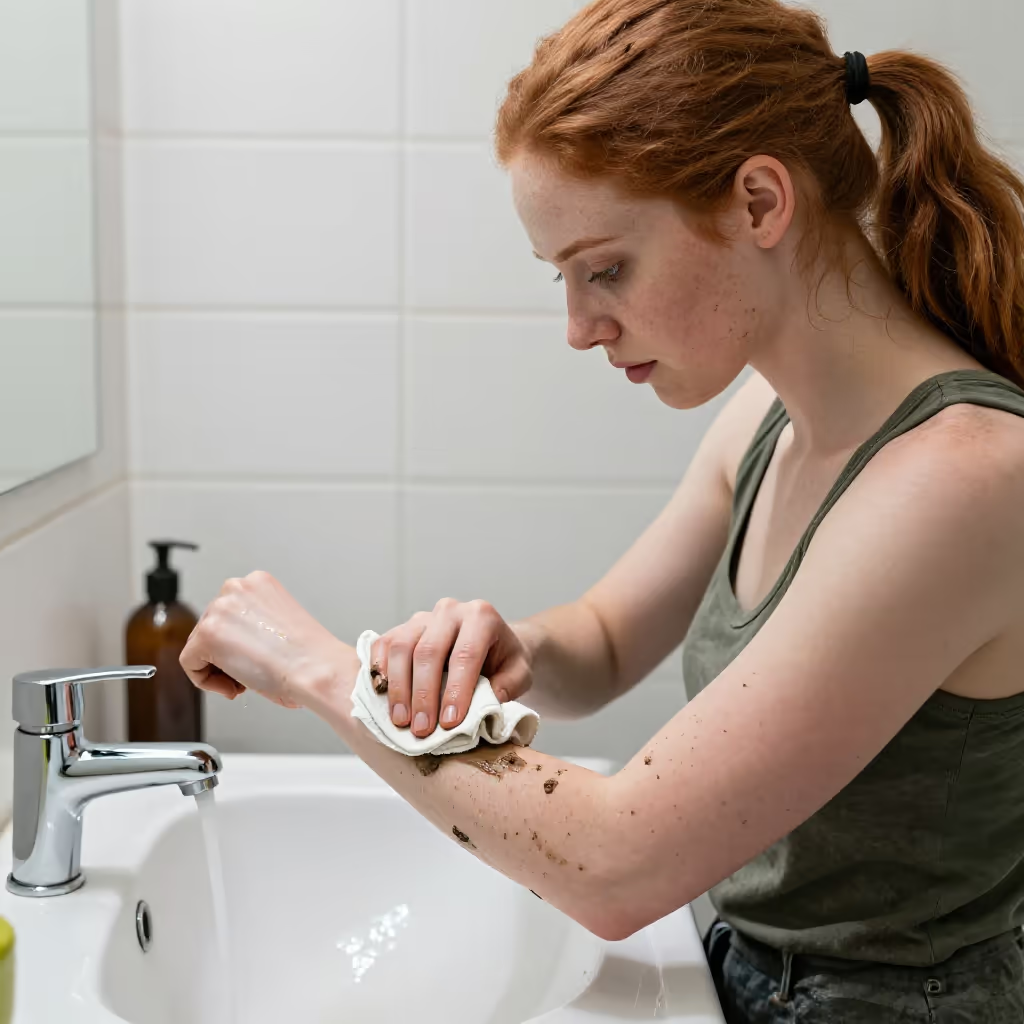
to wash off
To clean something or a body part with water or a damp cloth in order to remove dirt.
Nach der Gartenarbeit musste sie sich erst einmal gründlich die Hände abwaschen.
After gardening, she first had to wash her hands thoroughly.
'Abwaschen' (to wash up / wash off) is a separable verb. In a main clause, the prefix 'ab' stands at the end of the sentence. In subordinate clauses or in the infinitive, the verb stays together.
Ich wasche schnell das Geschirr ab.
I'll quickly wash the dishes.
When 'abwaschen' is used without an object, it almost always means 'das Geschirr spülen' (to wash the dishes). The object 'das Geschirr' (the dishes) is then simply left out because it is clear from the context.
Heute Abend koche ich und du wäschst ab, einverstanden?
Tonight I'll cook and you wash up, agreed?
When you clean a part of your own body, the verb is often used reflexively with a dative pronoun. The structure is: 'sich (Dativ) etwas (Akkusativ) abwaschen' (to wash something off oneself).
Du solltest dir vor dem Essen die Hände abwaschen.
You should wash your hands before eating.
to wash
Waschen and abwaschen can both describe cleaning with water. Waschen refers more to the washing process as a whole, while abwaschen places more emphasis on removing dirt from a surface or part of the body. Waschen is usually the better choice for the face itself, while abwaschen is used more for something on it.
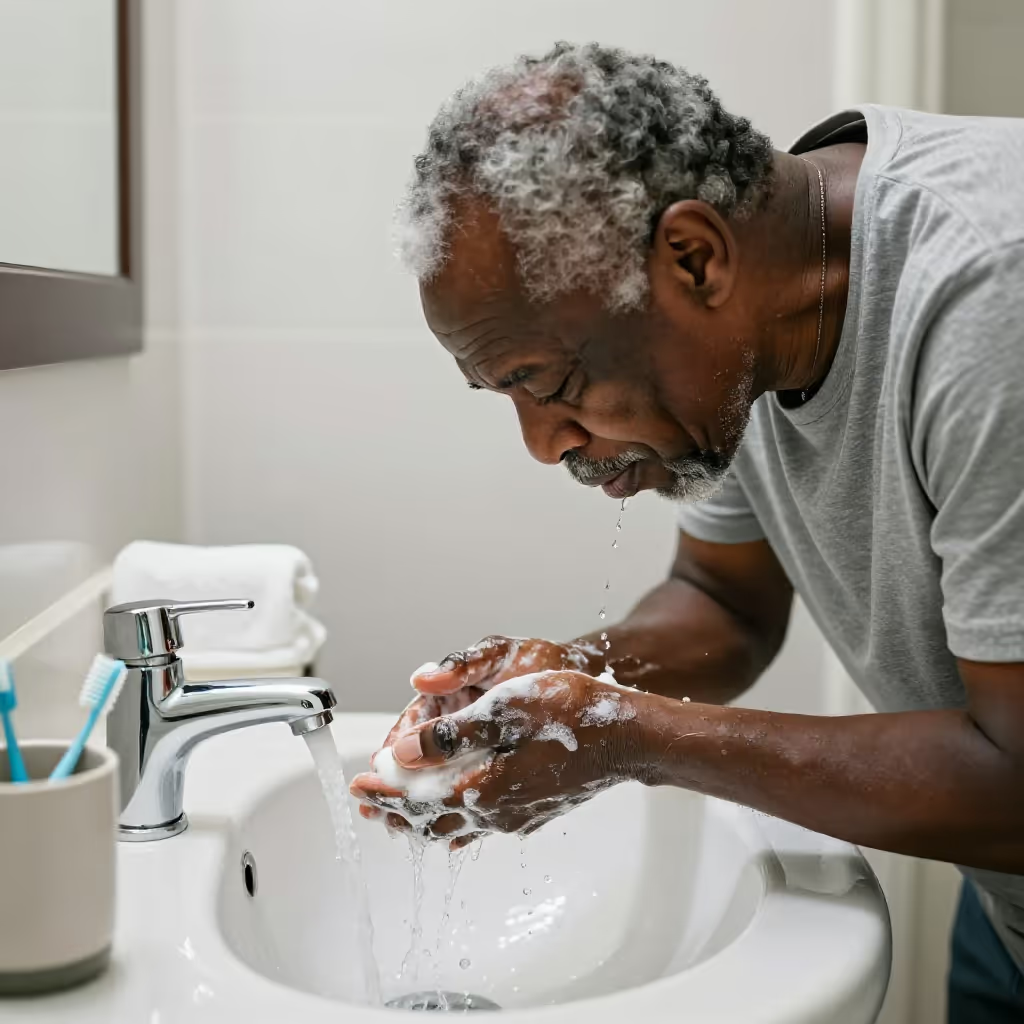
Nach dem Essen wasche ich mir die Schokolade vom Gesicht ab.
After eating, I wash the chocolate off my face.
Nach dem Sport wasche ich mir gründlich das Gesicht.
After exercising, I wash my face thoroughly.