

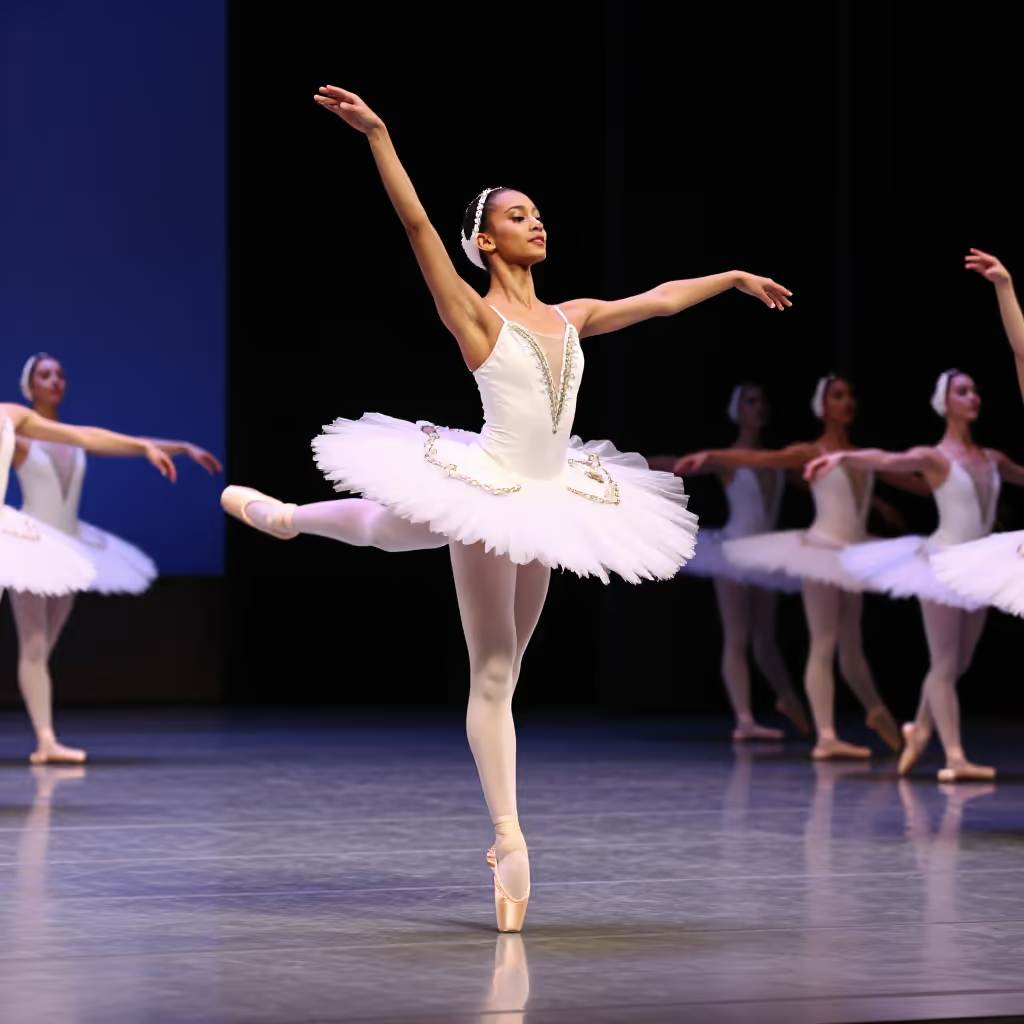
die Tänzerin
dancer
A woman who dances professionally, for example in ballet, modern dance, or a show.
EXAMPLE
Die Primaballerina ist eine weltberühmte Tänzerin.
The prima ballerina is a world-famous dancer.
dancer
Loading your saved state.
dancer
A woman who dances professionally, for example in ballet, modern dance, or a show.
Die Primaballerina ist eine weltberühmte Tänzerin.
The prima ballerina is a world-famous dancer.
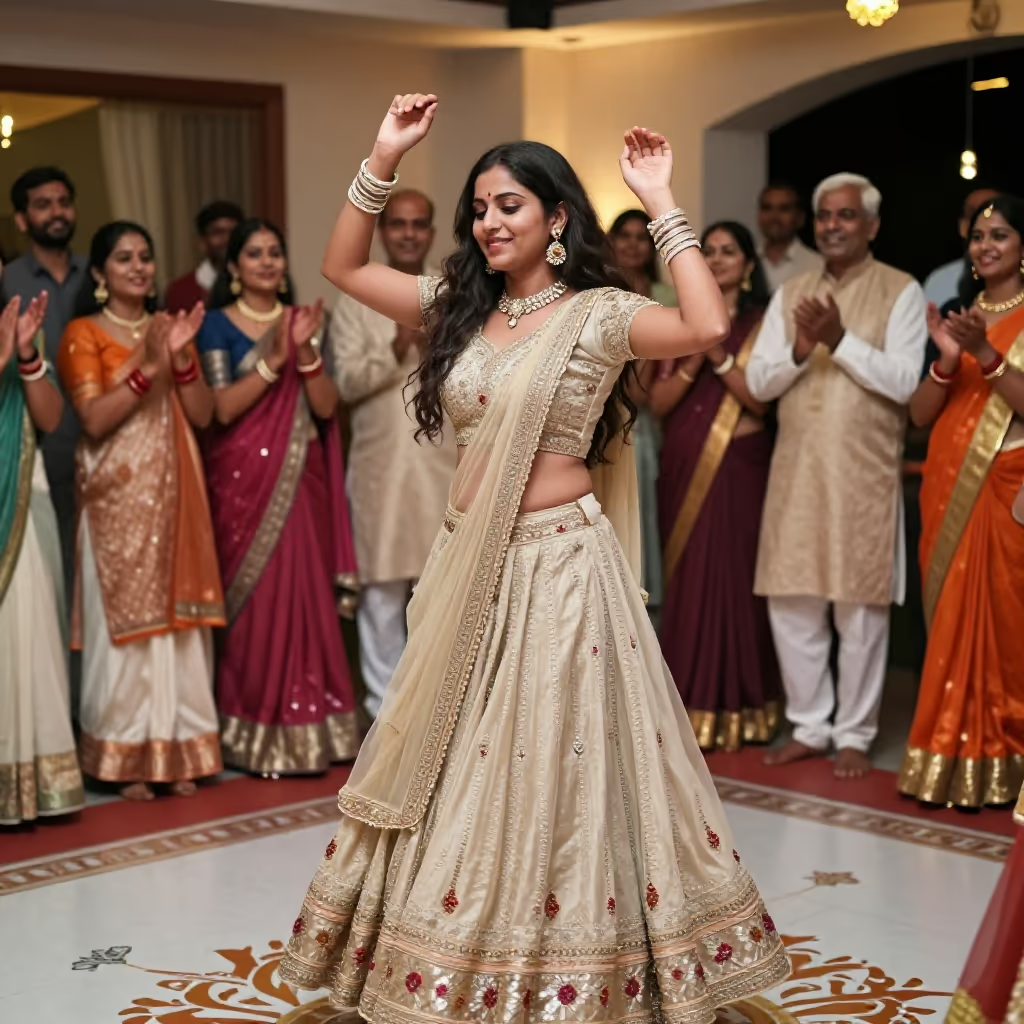
dancer
A female person who is dancing at a particular moment, without this necessarily being her profession.
Auf der Party war sie eine begeisterte Tänzerin und verließ die Tanzfläche kaum.
At the party, she was an enthusiastic dancer and barely left the dance floor.
'Tänzerin' (female dancer) is the feminine form derived from the verb 'tanzen' (to dance). The masculine form is 'der Tänzer' (male dancer), and the feminine form is created by adding the ending '-in', which is common with many job titles.
Er ist Tänzer und sie ist Tänzerin im selben Ensemble.
He is a dancer and she is a dancer in the same ensemble.
To specify the dance style of a professional dancer, the word often becomes part of a compound. Examples are 'Balletttänzerin' (ballet dancer), 'Solotänzerin' (solo dancer), or 'Bauchtänzerin' (belly dancer).
Sie träumt davon, eine berühmte Balletttänzerin zu werden.
She dreams of becoming a famous ballet dancer.
Whether 'Tänzerin' (dancer) refers to a profession (m01) or a hobby (m02) is revealed by the context. Words like 'Theater' (theater), 'Ensemble' (ensemble), or 'berühmt' (famous) point to the profession, while 'Party' (party), 'Hochzeit' (wedding), or 'gerne tanzen' (to like dancing) point to a leisure activity.
Meine Tante ist eine leidenschaftliche Tänzerin und geht jeden Samstag zum Tanzen.
My aunt is a passionate dancer and goes dancing every Saturday.