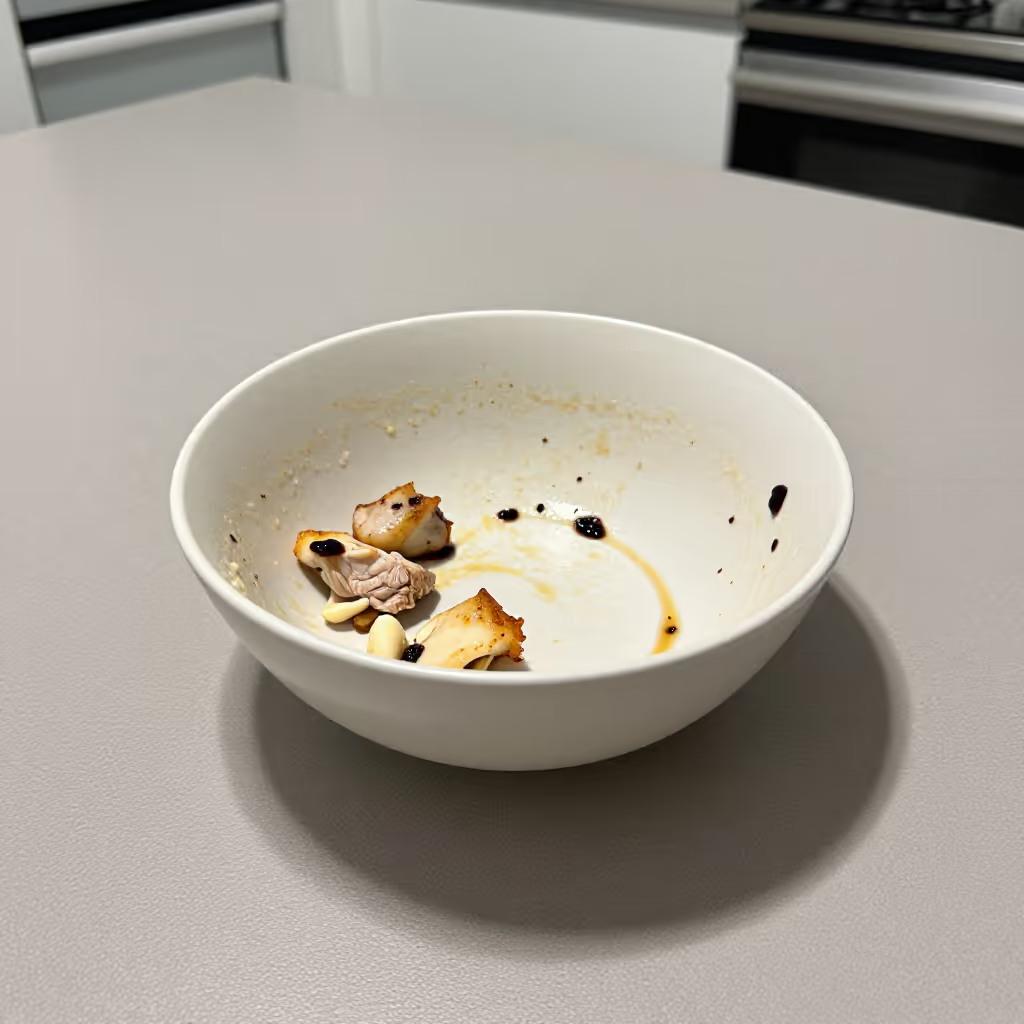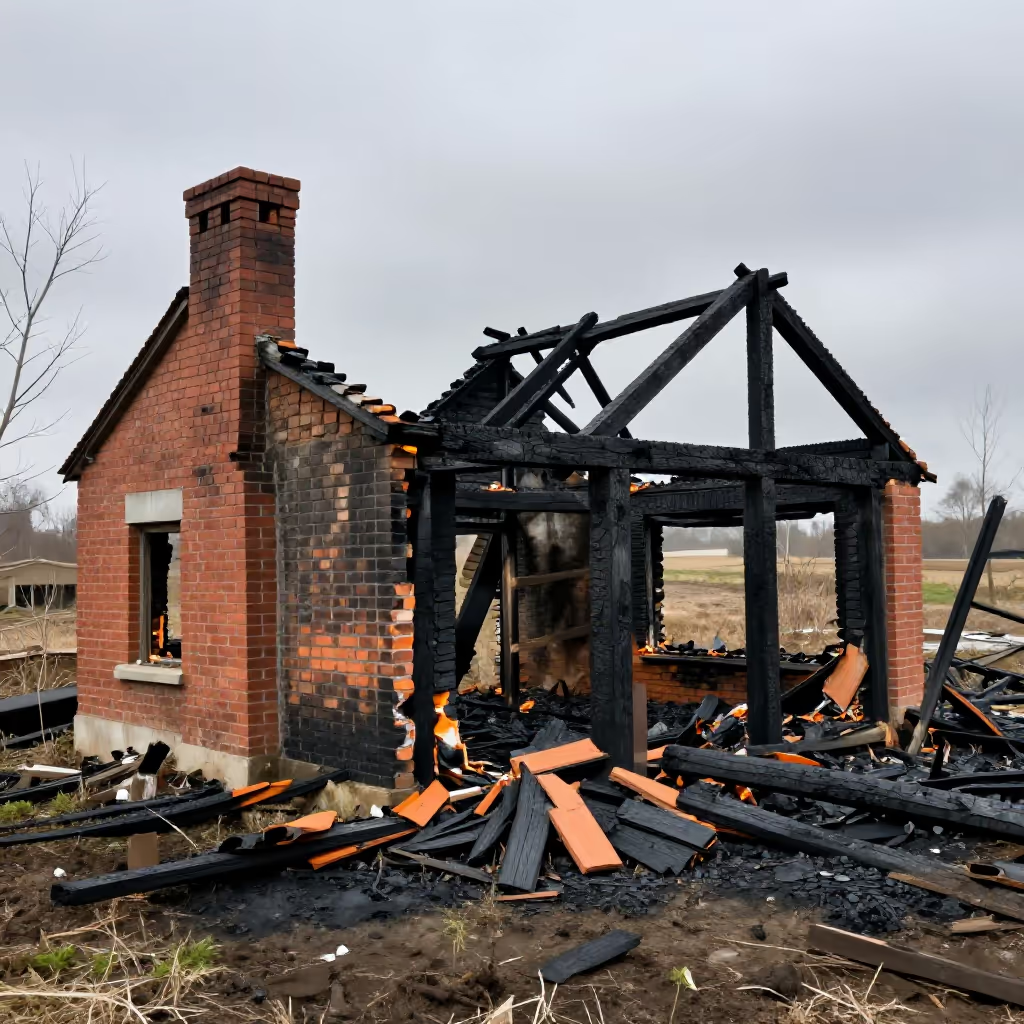
The remaining part of something that has been destroyed, has passed, or has been used up. Very often used in the plural.
example
Die Archäologen untersuchen die Überreste einer alten Siedlung.
The archaeologists are examining the remnants of an ancient settlement.

Usage tips
Compound structure
The word is made up of 'über' (over/remaining) and 'Rest' (rest/remainder). So it literally describes something that has been left over as a remainder.
EXAMPLE
Vom alten Schloss sind nur noch wenige Überreste vorhanden.
Only a few remnants of the old castle remain.
Often plural
This noun is very often used in the plural, 'die Überreste' (the remains/remnants), especially when referring to the remains of destroyed things or historical finds.
EXAMPLE
Die Überreste des römischen Lagers sind heute eine Touristenattraktion.
The remains of the Roman camp are now a tourist attraction.
Typical collocations
In historical or archaeological contexts, the word is often used with 'sterbliche Überreste' (mortal remains, corpse) or in combinations such as 'die Überreste einer Zivilisation' (the remnants of a civilization) or 'eines Gebäudes' (of a building).
EXAMPLE
Die sterblichen Überreste des Königs wurden in der Kathedrale beigesetzt.
The king's mortal remains were buried in the cathedral.
Context: food
When talking about food, 'Überrest' is a simple word for what is left over from a meal. The context always makes the meaning clear here.
EXAMPLE
Kann ich die Überreste von der Pizza für morgen haben?
Can I have the leftovers from the pizza for tomorrow?
Compare with
near_synonym
Überrest vs Rest
rest / remainder
'der Rest' and 'der Überrest' both mean something that has been left over. 'der Rest' is the normal and very general everyday word. You use it for food, money, tasks, or parts of an amount. 'der Überrest' sounds a little more like something that remains from a larger whole, often after something has been used up, destroyed, or has passed. It is also often used in the plural as 'die Überreste'. For simple everyday situations, 'Rest' is usually more natural; 'Überrest' fits better when you want to emphasize the remaining part.
Überrest
Nach dem Feuer lagen nur noch wenige Überreste des alten Hauses im Garten.
After the fire, only a few remnants of the old house were lying in the garden.
Rest
Im Kühlschrank steht noch ein Rest vom Abendessen.
There is still some of the dinner left in the refrigerator.