

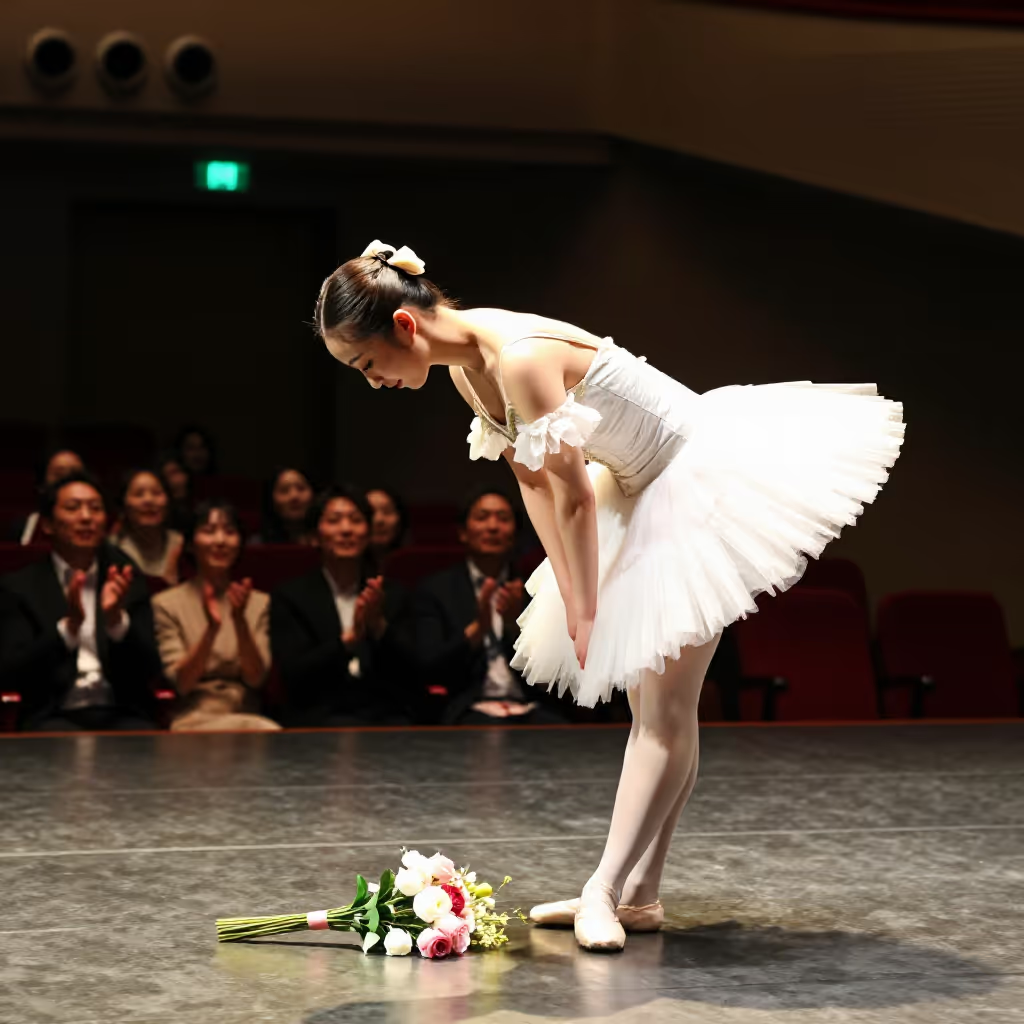
A gesture of respect, gratitude, or greeting in which you bend your upper body forward. It is often used by performers after a performance or as a greeting in some cultures.
example
Nach dem Konzert machten die Musiker eine tiefe Verbeugung vor dem applaudierenden Publikum.
After the concert, the musicians made a deep bow to the applauding audience.
Usage tips
Word family
The noun 'die Verbeugung' (bow) is derived directly from the verb 'sich verbeugen' (to bow). It describes the action or result of this verb, namely bending the upper body.
EXAMPLE
Der Schauspieler verbeugte sich vor dem Publikum.
The actor bowed to the audience.
Typical collocation
When the physical gesture is meant, 'Verbeugung' (bow) is very often combined with the verb 'machen' (to make/do). People say 'eine Verbeugung machen' (to make a bow).
EXAMPLE
Am Ende ihres Vortrags machte die Rednerin eine kurze Verbeugung.
At the end of her talk, the speaker made a short bow.
Use with 'vor'
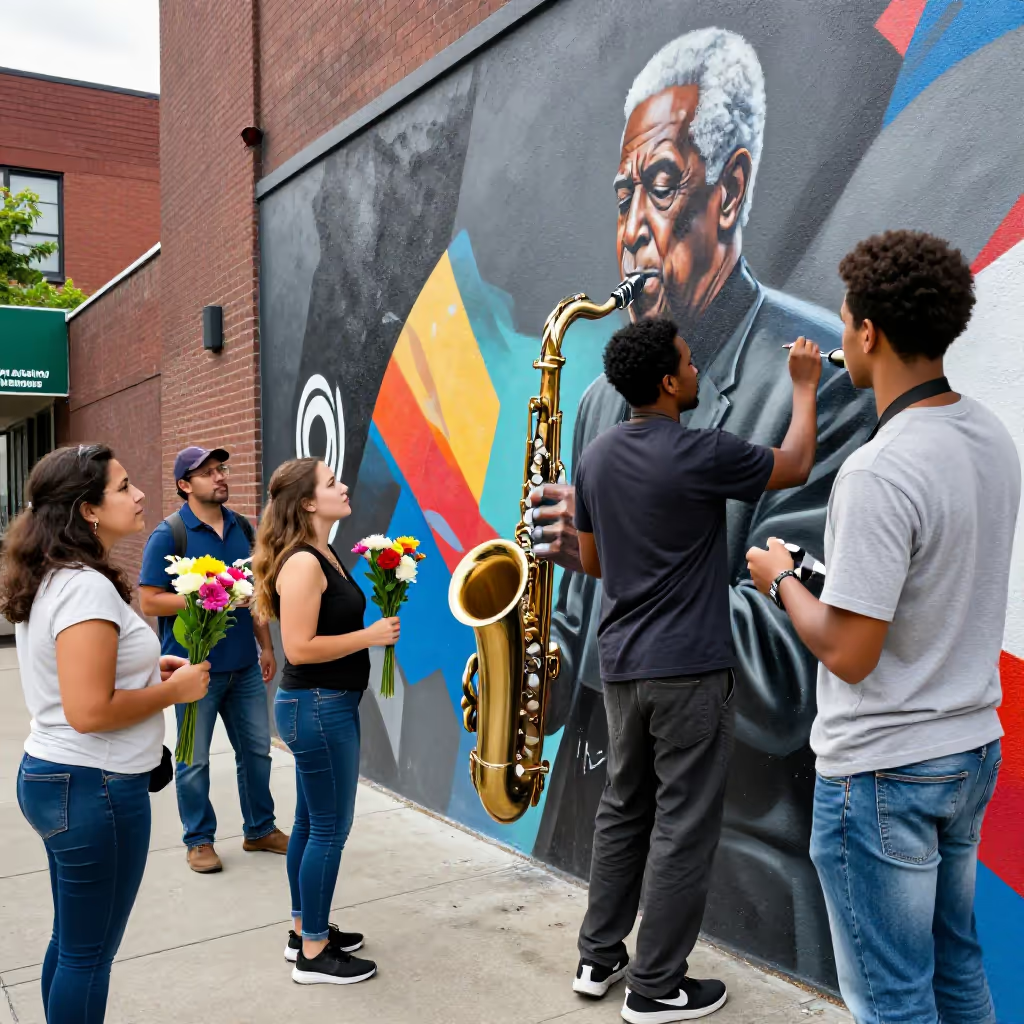
In the figurative meaning as homage, 'Verbeugung' (tribute) almost always appears with the preposition 'vor' (before/to) and the dative. This construction expresses to whom or what honor is being paid.
EXAMPLE
Sein Lebenswerk ist eine Verbeugung vor dem Mut der einfachen Leute.
His life's work is a tribute to the courage of ordinary people.
Context clue
You can recognize from the context whether the literal or figurative meaning is intended. If a person acts, e.g. a performer, it is usually the gesture. If it is about a work, e.g. a film or book, it is a tribute.
EXAMPLE
Der Tänzer beendete seinen Auftritt mit einer tiefen Verbeugung.
The dancer ended his performance with a deep bow.
Compare with
near_synonym · confusable
Verbeugung vs Anerkennung
recognition
'die Anerkennung' and 'die Verbeugung' can both show respect or appreciation. But 'Anerkennung' is the feeling, evaluation, or praise for an achievement. 'Verbeugung' is usually a visible gesture, for example after a performance, or a work that is meant as a sign of respect. So you can show recognition through a bow. The words can be confused when 'Verbeugung' is used figuratively. Then it means a sign of recognition, but not recognition itself.
Verbeugung
Nach dem Konzert machte die Sängerin eine tiefe Verbeugung vor dem Publikum.
After the concert, the singer made a deep bow to the audience.
Anerkennung
Nach dem langen Projekt bekam sie endlich Anerkennung von ihrem Chef.
After the long project, she finally received recognition from her boss.