

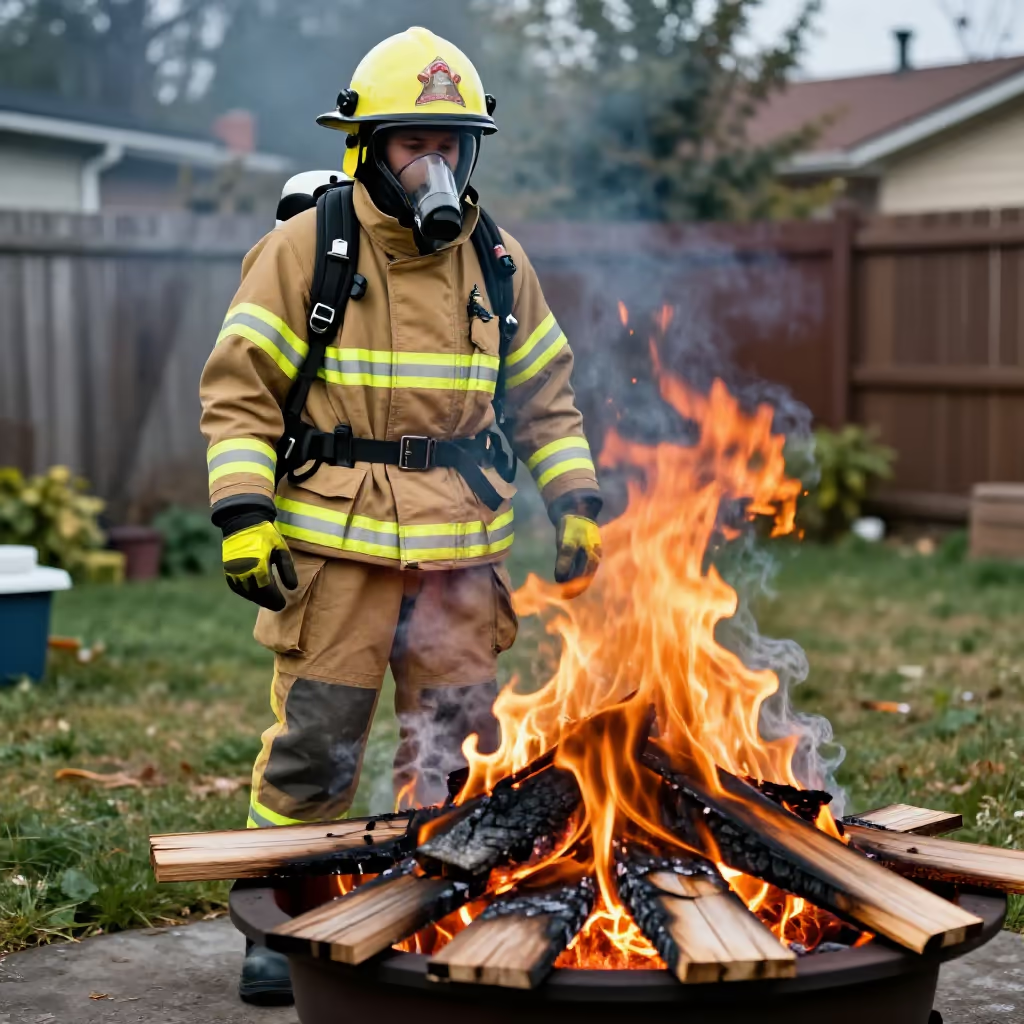
verbrennen
to burn
To be destroyed by fire or to destroy something by fire.
EXAMPLE
Er verbrannte alle alten Liebesbriefe im Kamin.
He burned all the old love letters in the fireplace.
to burn
Loading your saved state.
to burn
To be destroyed by fire or to destroy something by fire.
Er verbrannte alle alten Liebesbriefe im Kamin.
He burned all the old love letters in the fireplace.
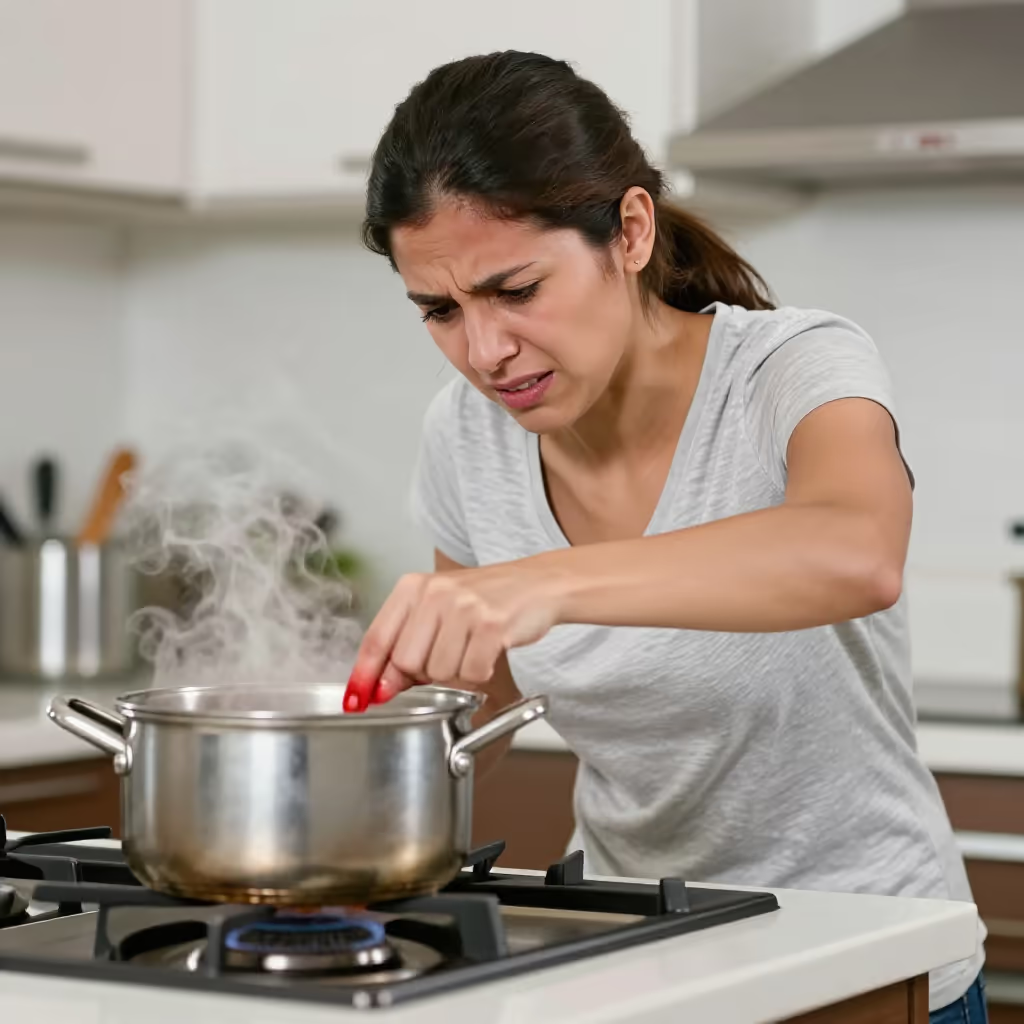
to burn oneself
To injure oneself through contact with intense heat, fire, or hot liquids.
Ich habe mich an der heißen Herdplatte verbrannt.
I burned myself on the hot stovetop.
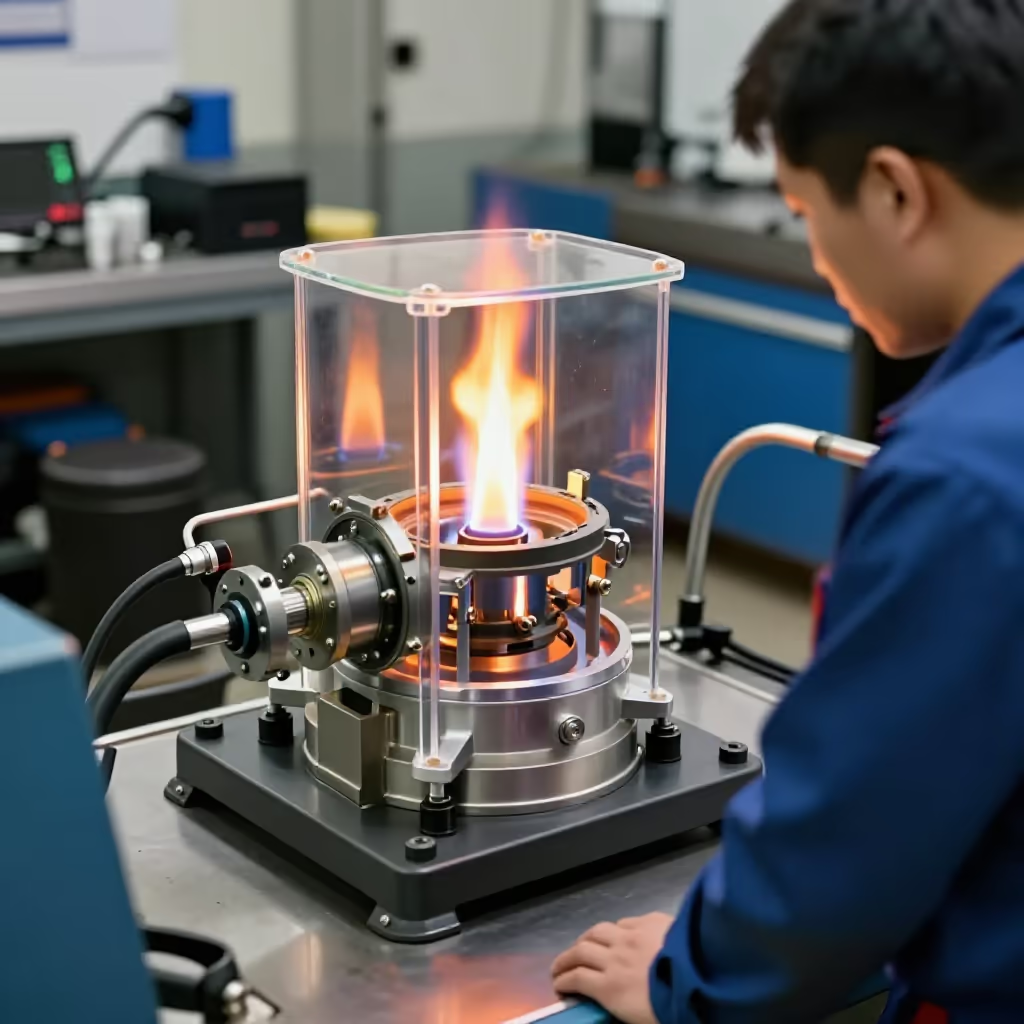
to burn
To consume fuel or another energy source in order to produce energy, heat, or movement.
Dieses Auto verbrennt sehr viel Benzin.
This car burns a lot of gasoline.
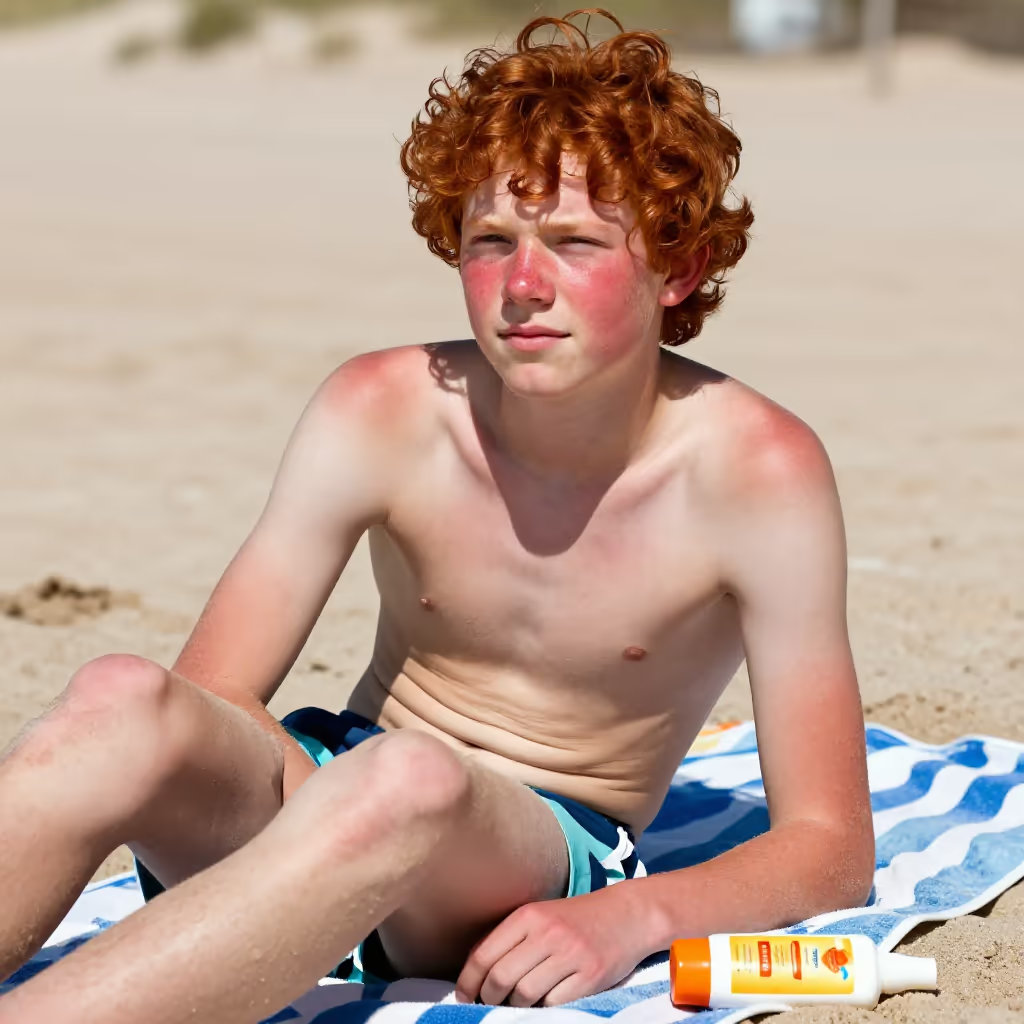
to get sunburned
To get a sunburn because the skin has been exposed to the sun for too long without protection.
Wenn du dich nicht eincremst, verbrennst du dir in dieser starken Sonne die Haut.
If you don’t put on sunscreen, you’ll burn your skin in this strong sun.
'Verbrennen' (to burn) is an inseparable verb. The prefix 'ver-' remains firmly attached to the verb stem 'brennen' (to burn) in all tenses and sentence constructions.
Das Feuer hat das ganze Haus verbrannt.
The fire burned the whole house.
The perfect tense is formed with 'haben' (to have) when it describes an active action with an accusative object. It is formed with 'sein' (to be) when it describes a process or a change of state of the subject.
Ich habe die alten Zeitungen verbrannt.
I burned the old newspapers.
When someone injures a specific body part, the reflexive form 'sich verbrennen' (to burn oneself) is often used with a dative object for the body part: 'sich die Hand verbrennen' (to burn one's hand).
Vorsicht, du verbrennst dir die Finger an der Kerze!
Careful, you’ll burn your fingers on the candle!
In the sense of 'using up energy', 'verbrennen' (to burn) is frequently combined with 'Kalorien' (calories), 'Fett' (fat), or a type of fuel such as 'Benzin' (gasoline) or 'Diesel' (diesel).
Beim Joggen verbrennt man viele Kalorien.
You burn a lot of calories while jogging.
to burn
Brennen and verbrennen can both express that something is destroyed by fire or is in flames. Brennen focuses more on the state or process, while verbrennen emphasizes the consumption or the result of the destruction. Brennen is usually the better choice for a visible flame, while verbrennen focuses on something being used up.
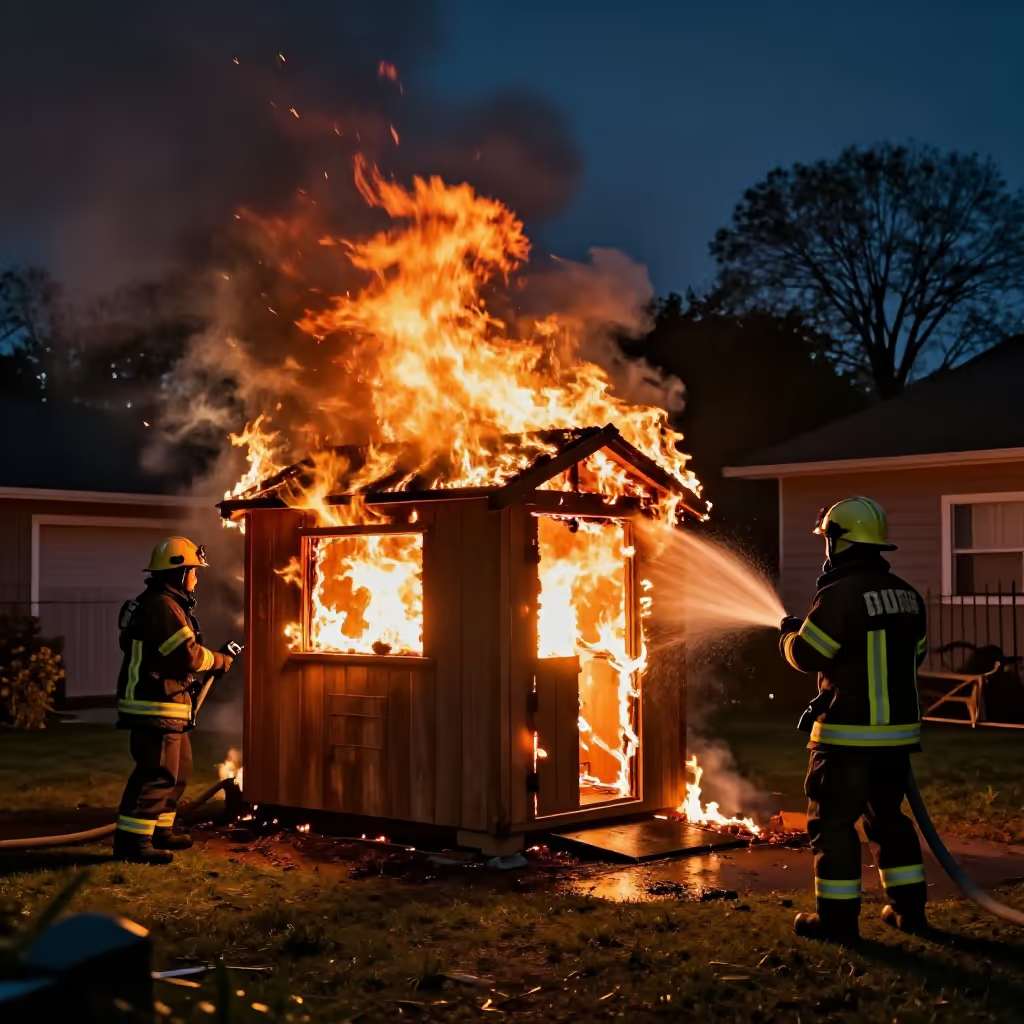
Das Holz verbrennt im Ofen langsam zu Asche.
The wood is slowly burning to ash in the stove.
Das Holz brennt im Ofen und wärmt das Zimmer.
The wood is burning in the stove and warming the room.