To mentally or thematically classify something or someone within a specific context, category, or historical era.
example
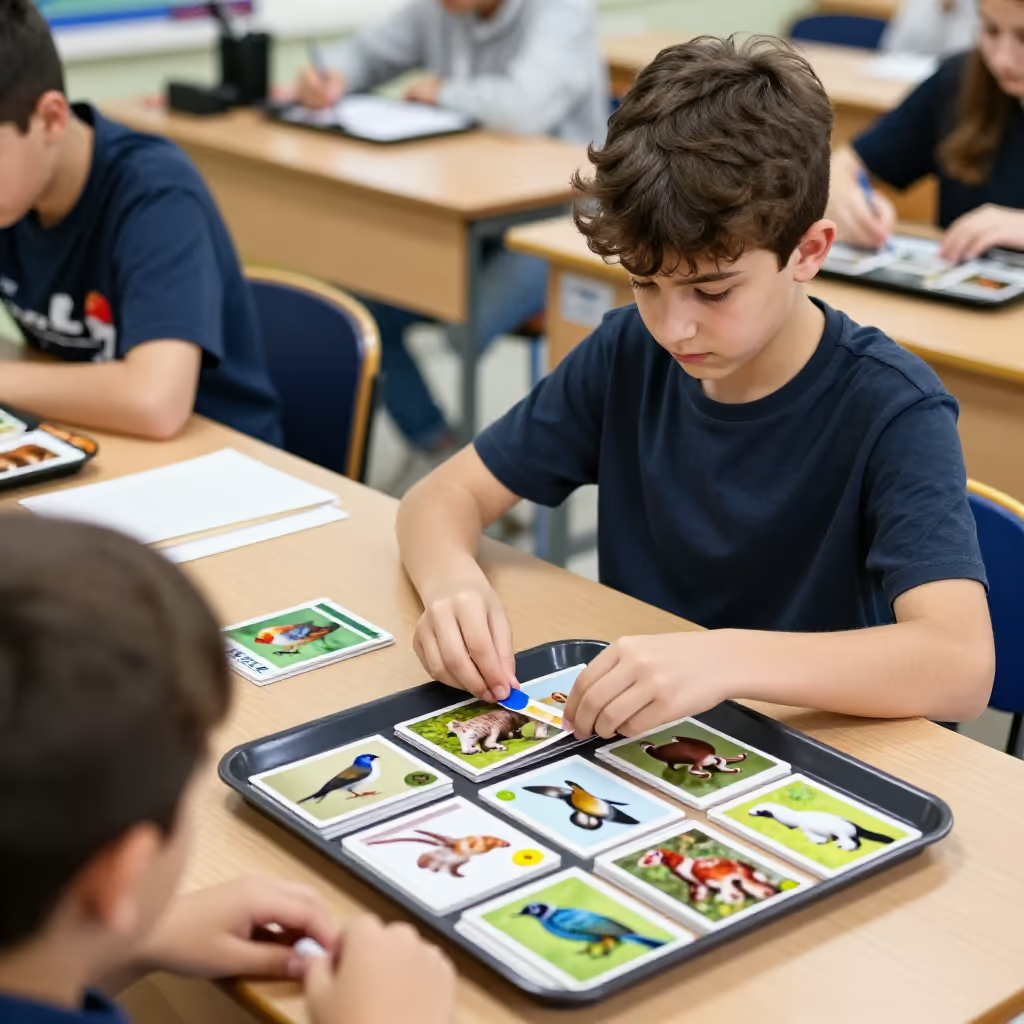
Man kann diesen Roman klar in der literarischen Strömung der Postmoderne verorten.
This novel can clearly be placed within the literary movement of postmodernism.
Usage tips
Word structure
The verb is derived from the noun 'der Ort' (the place). The prefix 'ver-' gives the verb an active, assigning meaning. 'Verorten' therefore means assigning a specific place to a thing or person.
EXAMPLE
Archäologen versuchen, die antike Siedlung genauer zu verorten.
Archaeologists are trying to locate the ancient settlement more precisely.
Sentence structure with 'in'
'Verorten' is almost always used with a preposition that indicates the place or context. The most common construction is 'jemanden/etwas in' + dative.
EXAMPLE
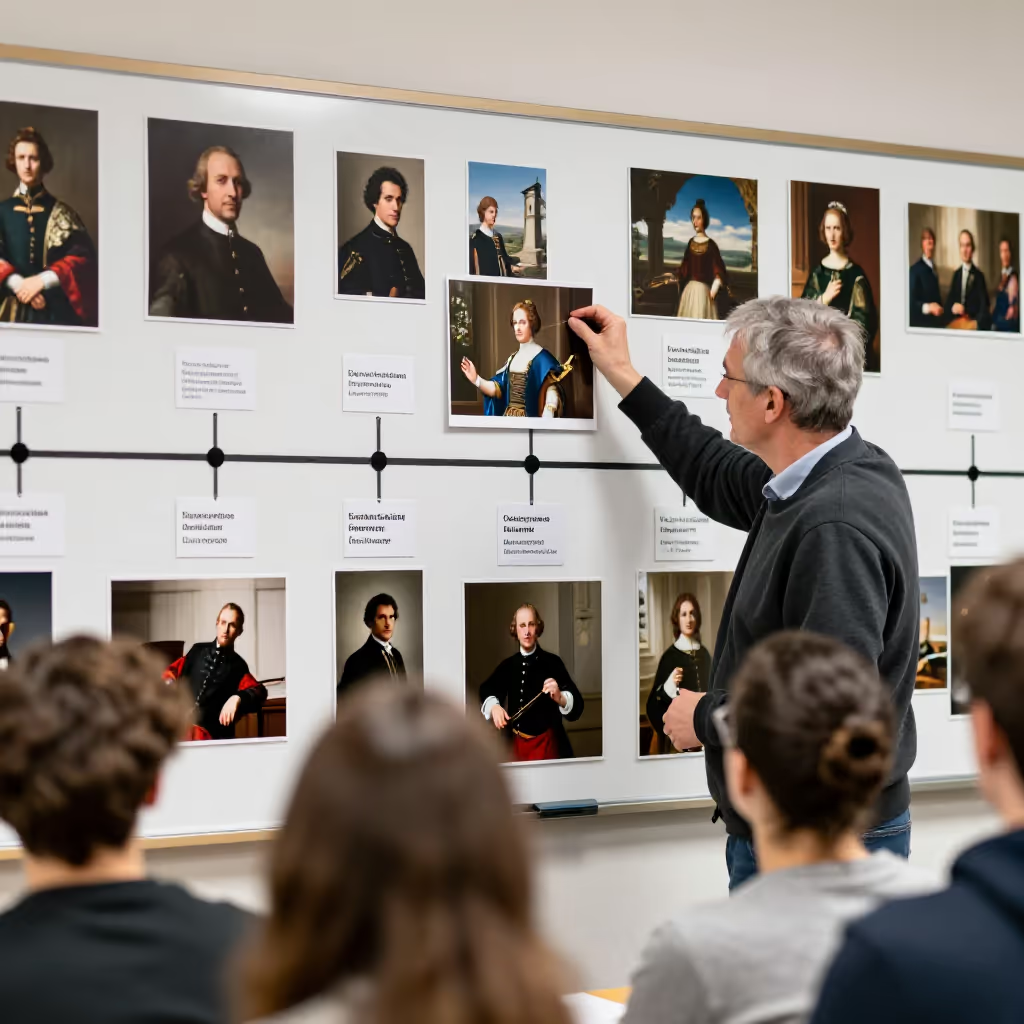
Der Experte verortet den Beginn der industriellen Revolution im späten 18. Jahrhundert.
The expert places the beginning of the Industrial Revolution in the late 18th century.
Literal vs. figurative
You can recognize the meaning by the 'Ort' (place): if it is about a geographical location (city, address), the literal meaning is intended. If it is about an abstract category (style, era, political position), the figurative meaning is intended.
EXAMPLE
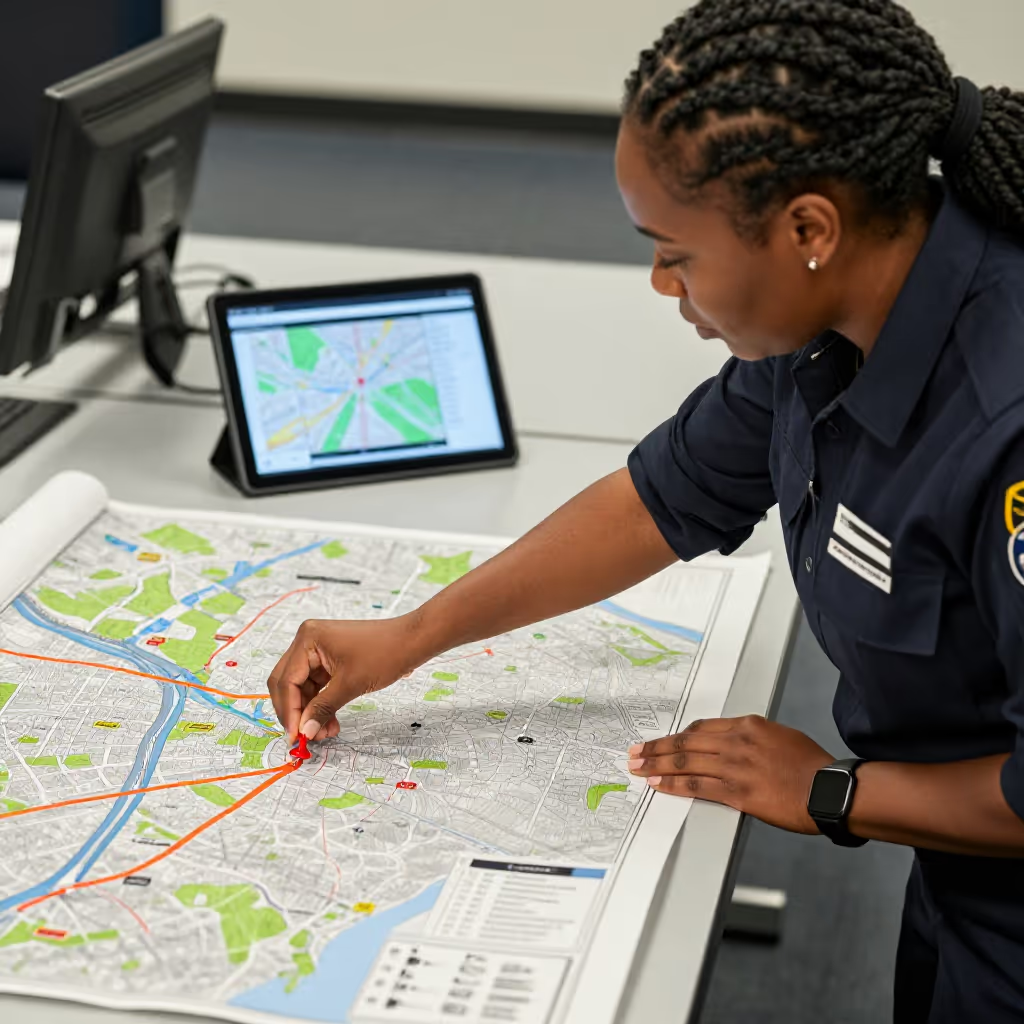
Die App kann Ihren aktuellen Standort auf der Karte verorten.
The app can locate your current position on the map.
Register
The figurative, meaning thematic or conceptual, sense of 'verorten' is typical of educated and technical language. It is often found in academic texts, journalism, or discussions about art and politics.
EXAMPLE
In der Podiumsdiskussion verortete sich die Politikerin im liberal-konservativen Spektrum.
In the panel discussion, the politician placed herself within the liberal-conservative spectrum.
Compare with
near_synonym
verorten vs ausmachen
to turn off / make up / arrange
'ausmachen' and 'verorten' can both have to do with finding out where something or someone is. 'ausmachen' is used when you recognize or spot something, often from a distance or when it is hard to see. 'verorten' means more specifically to determine or state the location. It sounds somewhat more formal and is often used with maps, data, or reports. If you spot something with your eyes, 'ausmachen' fits better. If you state or establish the exact location, 'verorten' fits better.
verorten
Die Polizei verortet das gestohlene Handy in der Nähe des Bahnhofs.
The police locate the stolen phone near the train station.
ausmachen
Durch den Nebel konnte ich am Ufer nur ein kleines Boot ausmachen.
Through the fog, I could only make out a small boat on the shore.