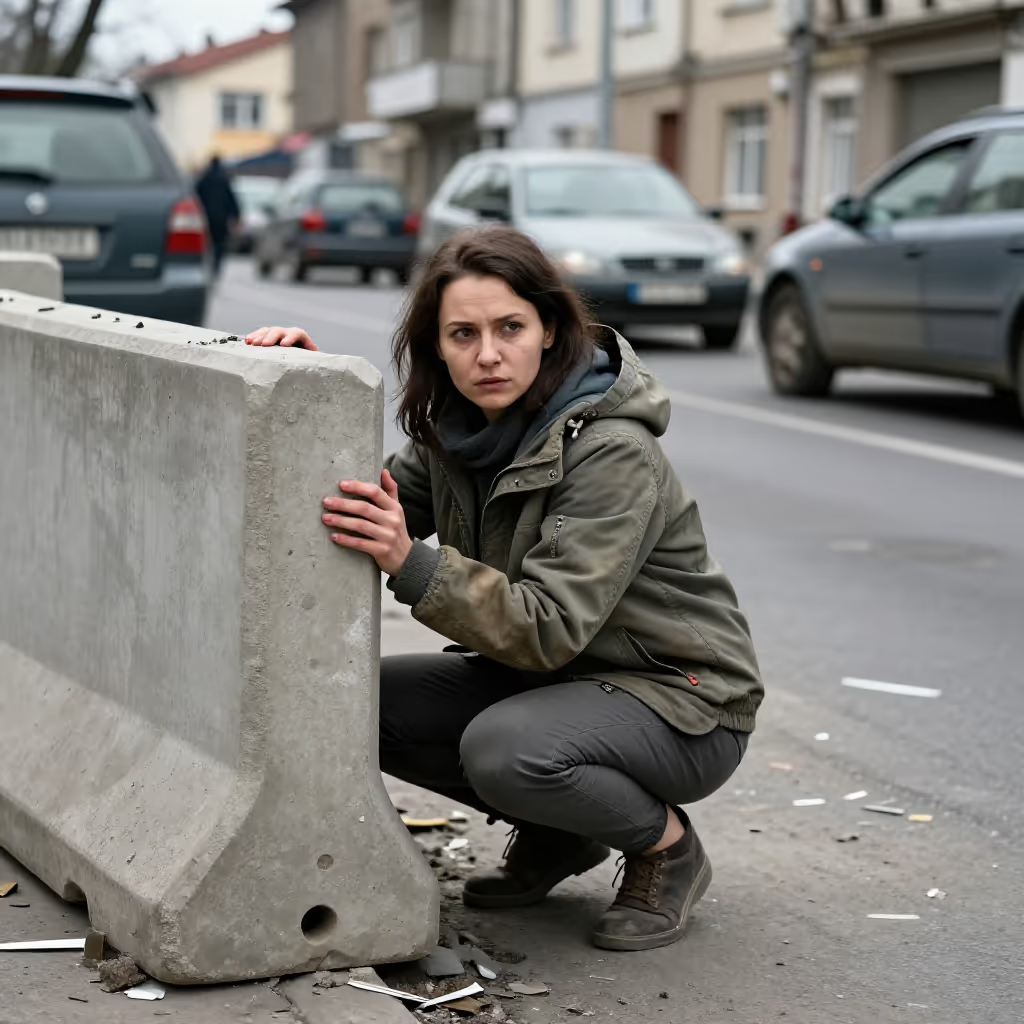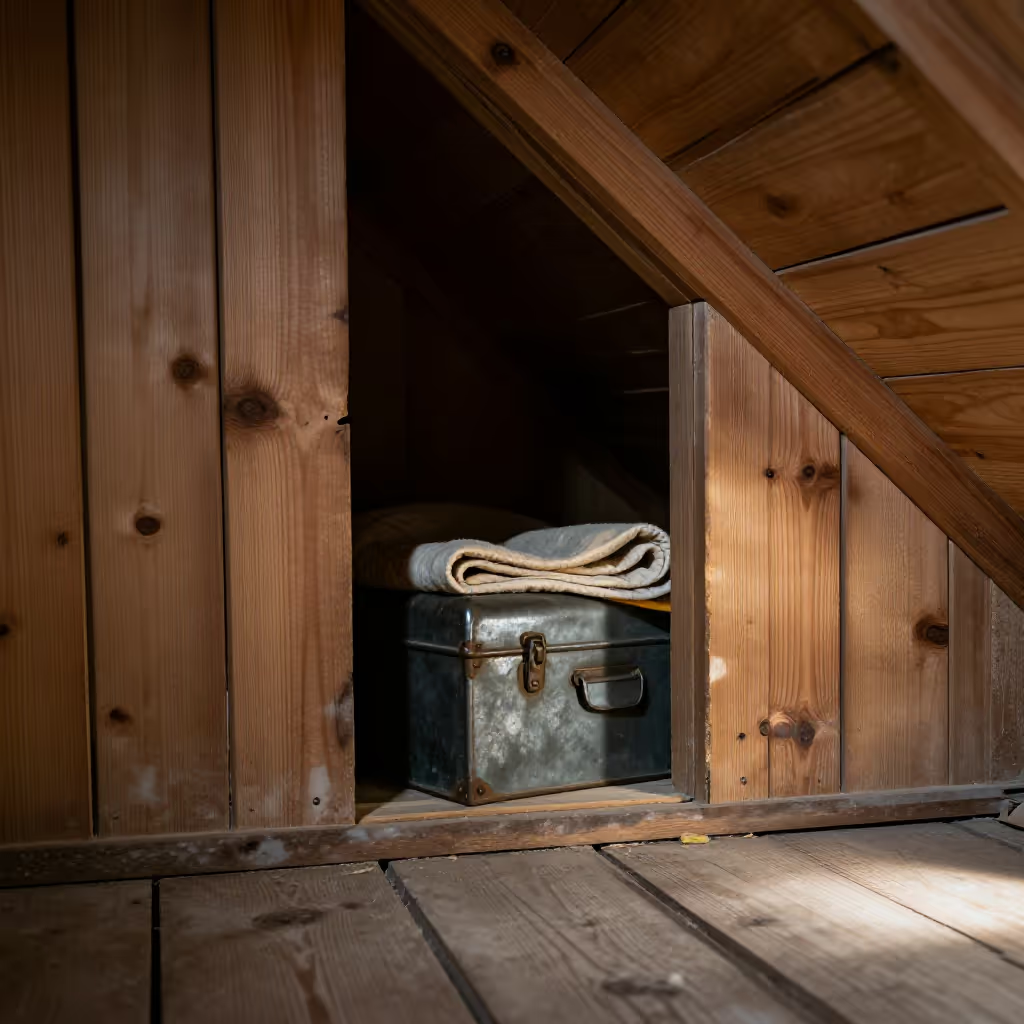
A place where you can hide yourself or something else from the view of others.
example
Die Polizei fand die gestohlene Ware in einem geheimen Versteck im Keller.
The police found the stolen goods in a secret hiding place in the basement.
Usage tips
Word family
'Das Versteck' (hiding place) is a noun derived directly from the verb 'verstecken' (to hide). It describes the result of the action: the place where something is hidden.
EXAMPLE
Die Katze hat ein neues Versteck hinter dem Sofa gefunden.
The cat found a new hiding place behind the sofa.
Context clue
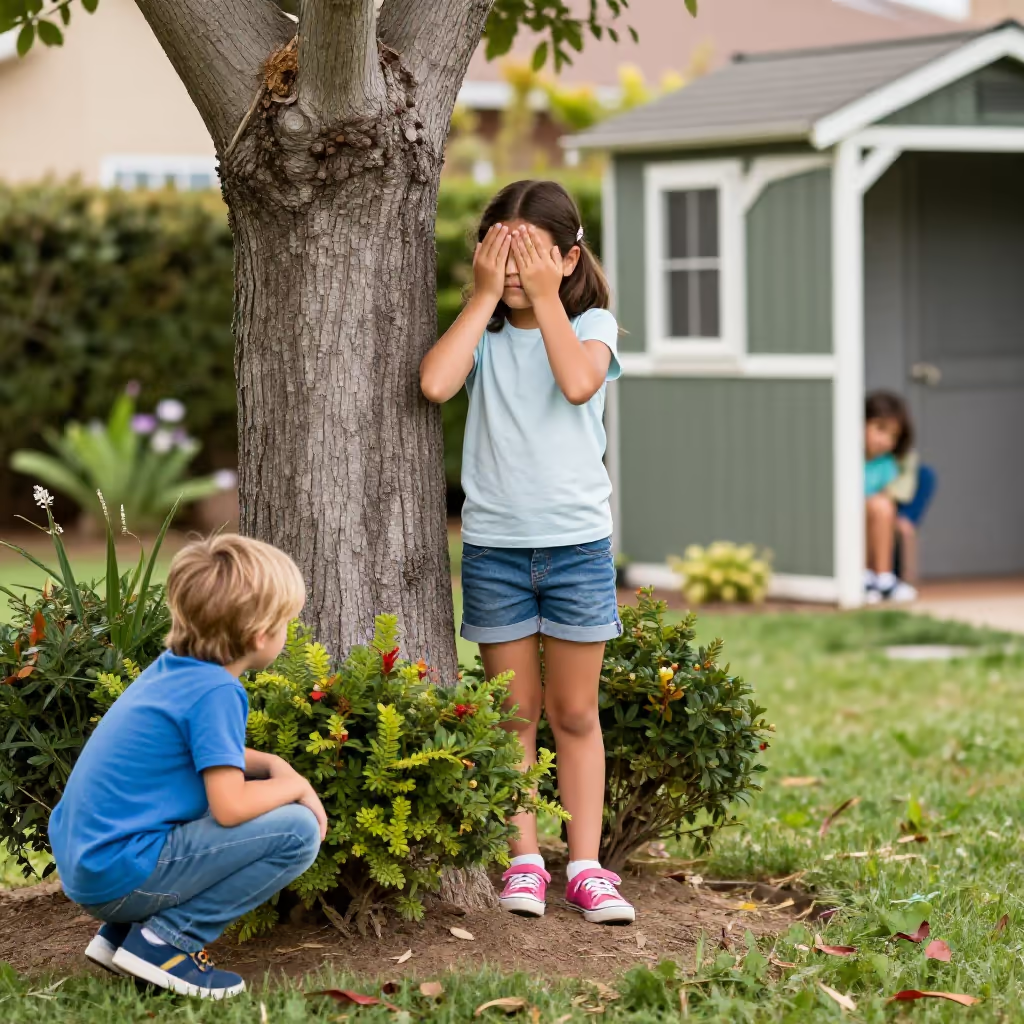
You can easily recognize the meaning from the verb: the fixed expression 'Versteck spielen' (to play hide-and-seek) always refers to the children's game. In all other cases, it means a real place for hiding.
EXAMPLE
Lasst uns im Garten Versteck spielen!
Let's play hide-and-seek in the garden!
Correct preposition
Pay attention to the case after the preposition. 'Im Versteck' (in the hiding place; dative) describes a location, while 'ins Versteck' (into the hiding place; accusative) expresses movement toward it.
EXAMPLE
Der Fuchs blieb den ganzen Tag in seinem Versteck.
The fox stayed in its hiding place all day.
Compare with
confusable
Versteck vs verstecken
to hide
'verstecken' and 'das Versteck' are closely related, but they are grammatically different. 'verstecken' is a verb: someone does something so that a person or an object is not seen or found. 'das Versteck' is a noun: it refers to the place where someone or something is hidden. Learners may confuse the words because they look similar and occur in the same topic area. So pay attention to the function in the sentence: you hide something, but you look for or find a hiding place.
Versteck
Hinter dem Schrank findet Max ein gutes Versteck für sein Spielzeug.
Behind the cupboard, Max finds a good hiding place for his toys.
verstecken
Die Kinder verstecken die Geschenke vor ihrer Mutter.