

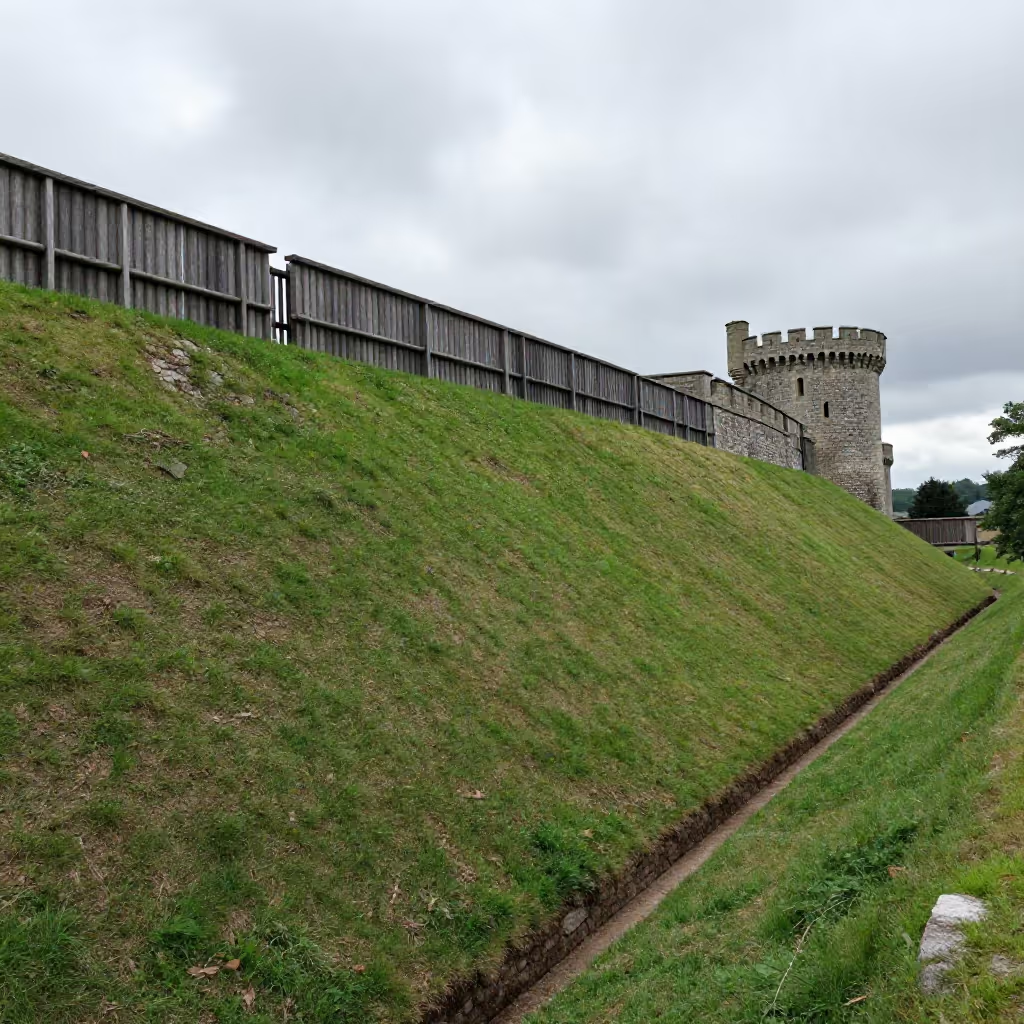
der Wall
rampart
A long, man-made mound of earth that served to defend a castle or city.
EXAMPLE
Die alte Festung ist noch heute von einem mächtigen Wall umgeben.
The old fortress is still surrounded by a mighty rampart today.
rampart / embankment
Loading your saved state.
rampart
A long, man-made mound of earth that served to defend a castle or city.
Die alte Festung ist noch heute von einem mächtigen Wall umgeben.
The old fortress is still surrounded by a mighty rampart today.
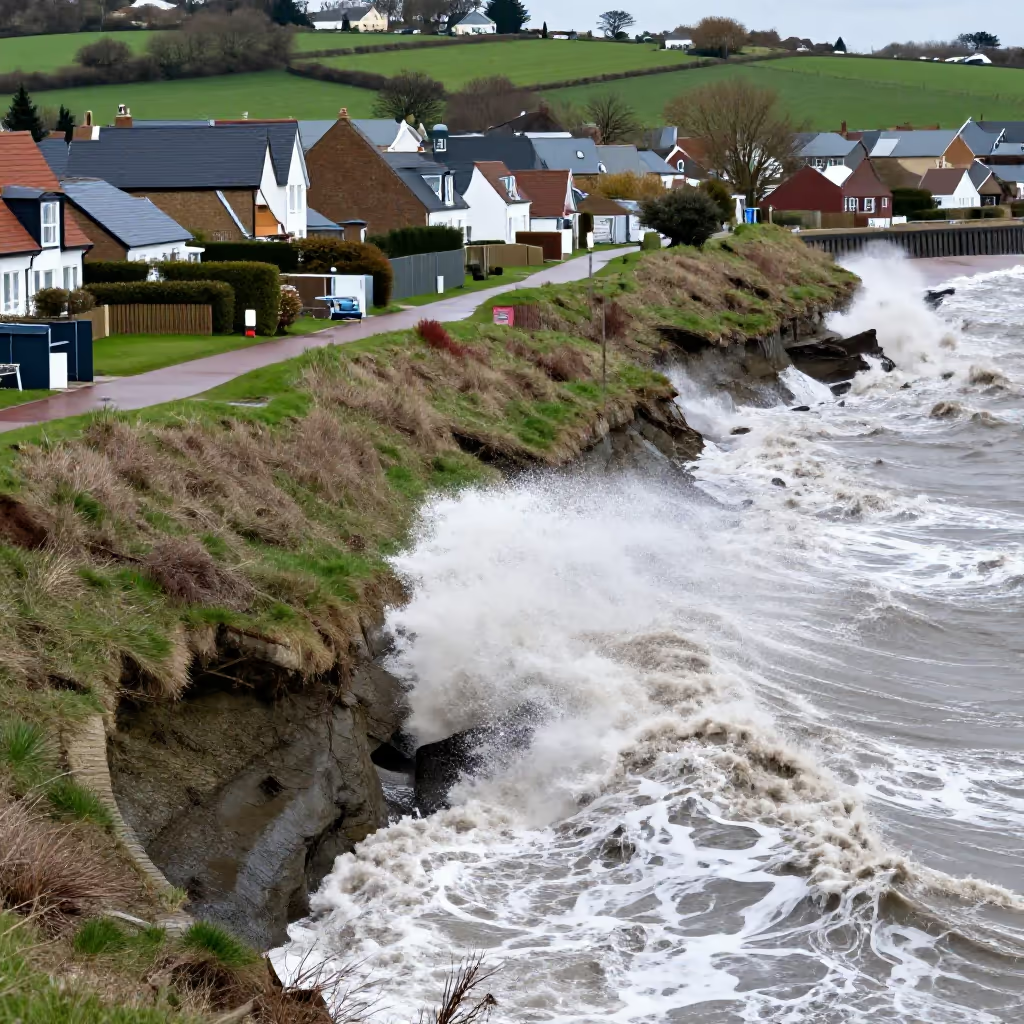
embankment / dike
A dike or dam built to protect against flooding or storm surges.
An der Küste schützt ein hoher Wall das Land vor dem Meer.
On the coast, a high embankment protects the land from the sea.
'Der Wall' is not a universal word for 'wall'. It specifically refers to a large mound of earth used for defense ('Wallanlage', rampart system) or flood protection ('Deich', dike). A typical wall made of stone or inside a house is 'die Mauer' or 'die Wand'.
Die Touristen spazierten auf dem alten Wall um die Stadt.
The tourists walked along the old rampart around the city.
The context tells you what kind of 'Wall' is meant. Words like 'Burg' (castle), 'Festung' (fortress), or 'Verteidigung' (defense) point to a historical defensive structure. Words like 'Küste' (coast), 'Fluss' (river), 'Meer' (sea), or 'Hochwasser' (flooding) point to a dike for water protection.
Der Wall konnte die mittelalterliche Stadt vor Angriffen schützen.
The rampart could protect the medieval city from attacks.
In historical contexts, 'Wall' is often used with verbs such as 'errichten' (to build/erect), 'umgeben' (to surround), or 'schützen' (to protect). Adjectives include, for example, 'mächtig' (mighty), 'hoch' (high), or 'historisch' (historical).
Ein mächtiger Wall aus Erde und Stein umgab die Burg.
A mighty rampart of earth and stone surrounded the castle.
wall
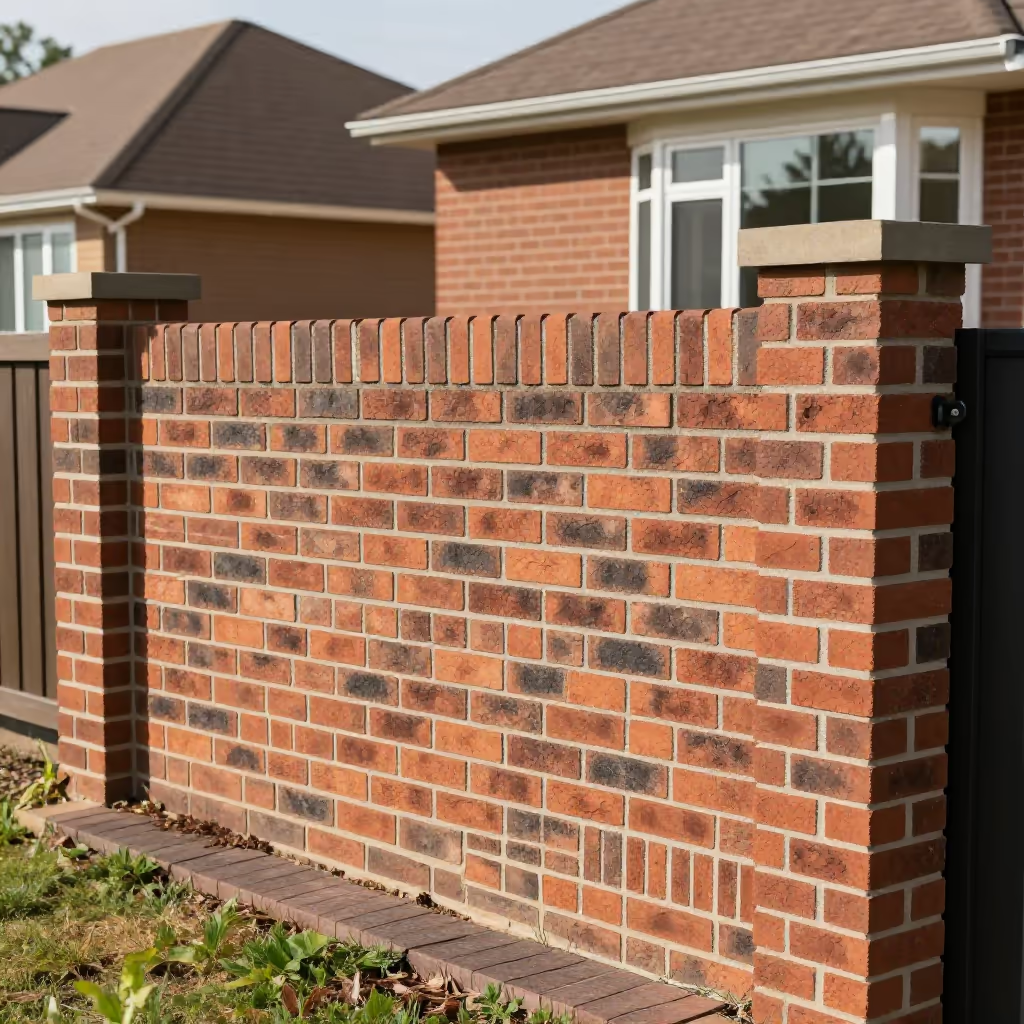
Mauer and Wall can both refer to a fortified boundary protecting a place. A Mauer is made of solid building materials such as stone or bricks, whereas a Wall is usually made of piled-up earth and is often associated with historical defensive structures.
Ein hoher Wall aus Erde schützte die alte Stadt vor Angreifern.
A high earthen rampart protected the old city from attackers.
Eine hohe Mauer aus Stein schützte die alte Stadt vor Angreifern.
A high stone wall protected the old city from attackers.