

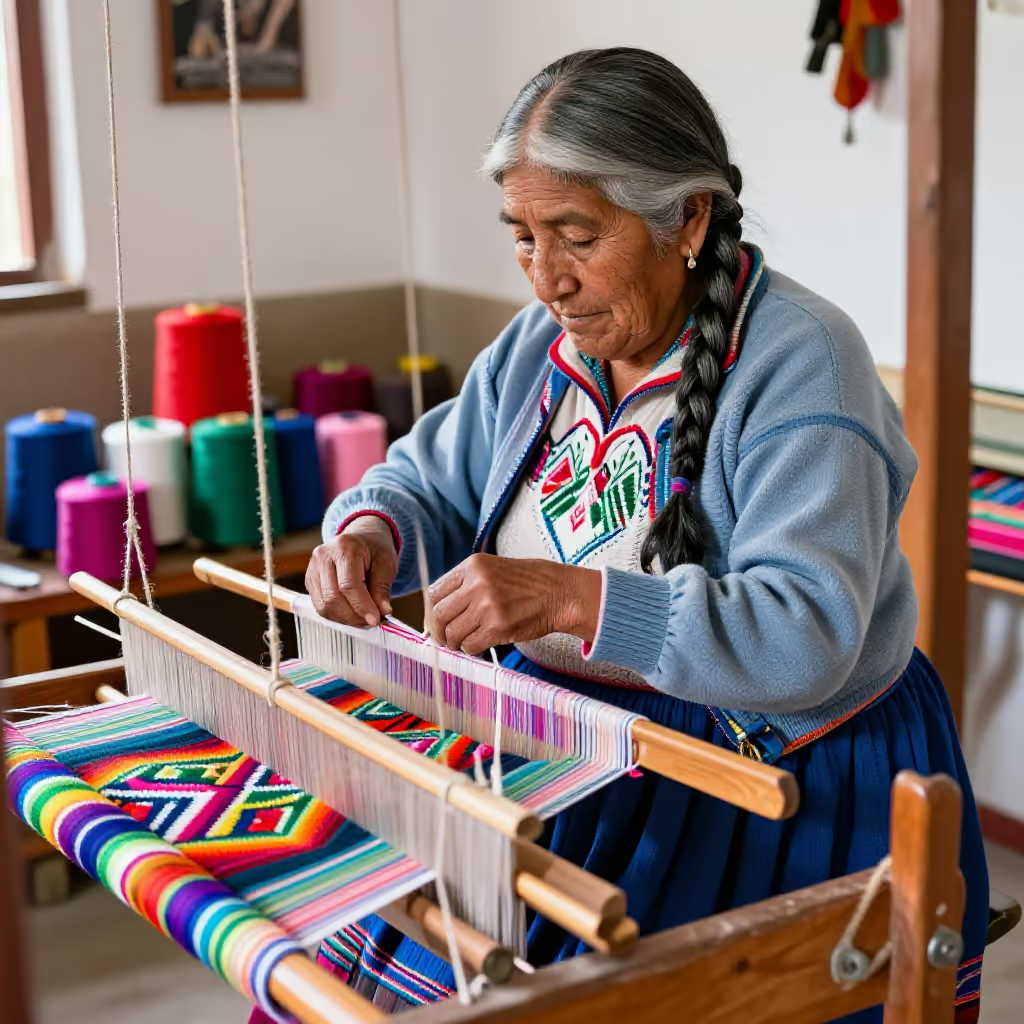
weben
to weave
To make cloth or fabric by interlacing threads on a loom.
EXAMPLE
In dieser Manufaktur wird seit über hundert Jahren Leinen von Hand gewebt.
In this workshop, linen has been woven by hand for over a hundred years.
to weave
Loading your saved state.
to weave
To make cloth or fabric by interlacing threads on a loom.
In dieser Manufaktur wird seit über hundert Jahren Leinen von Hand gewebt.
In this workshop, linen has been woven by hand for over a hundred years.
to weave
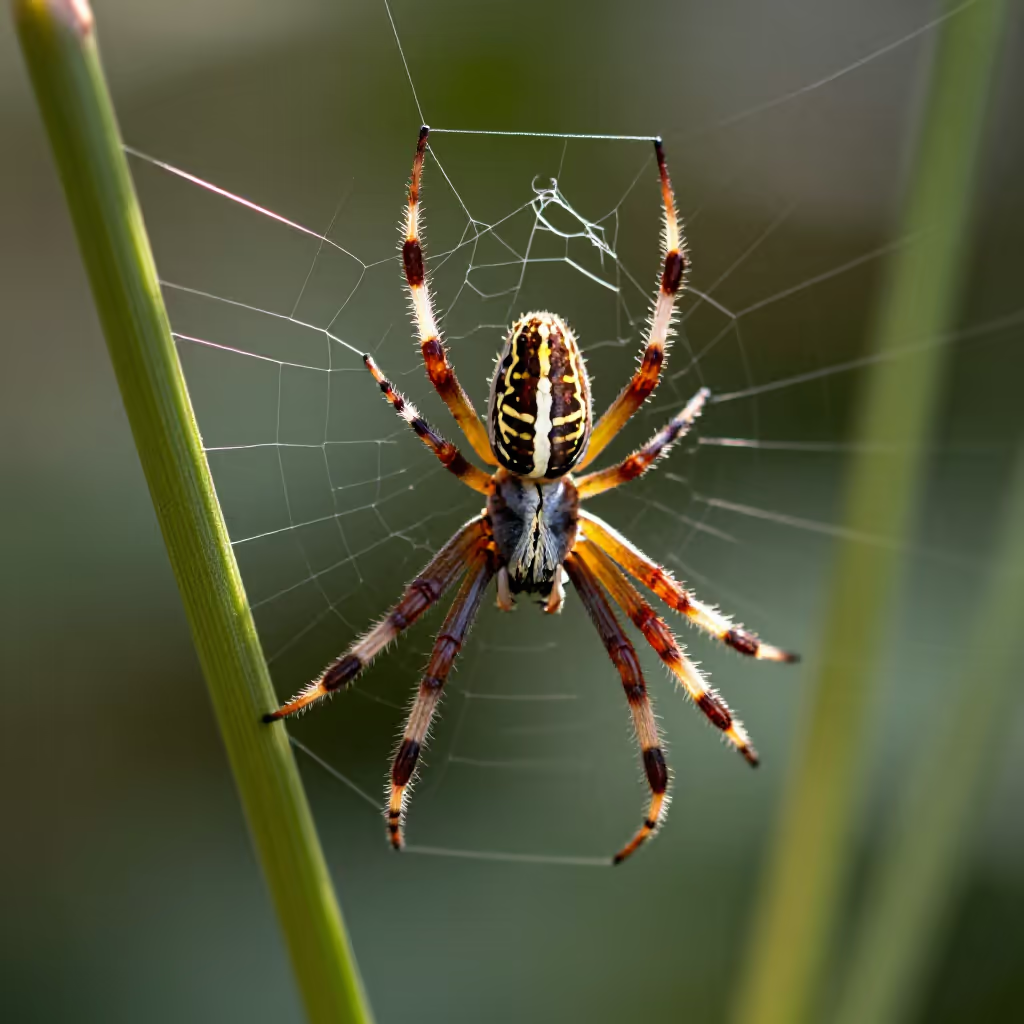
Specifically of spiders: to create a web out of silk threads.
Die Spinne hat über Nacht ein großes Netz zwischen den Zweigen gewebt.
The spider wove a large web between the branches overnight.
to weave
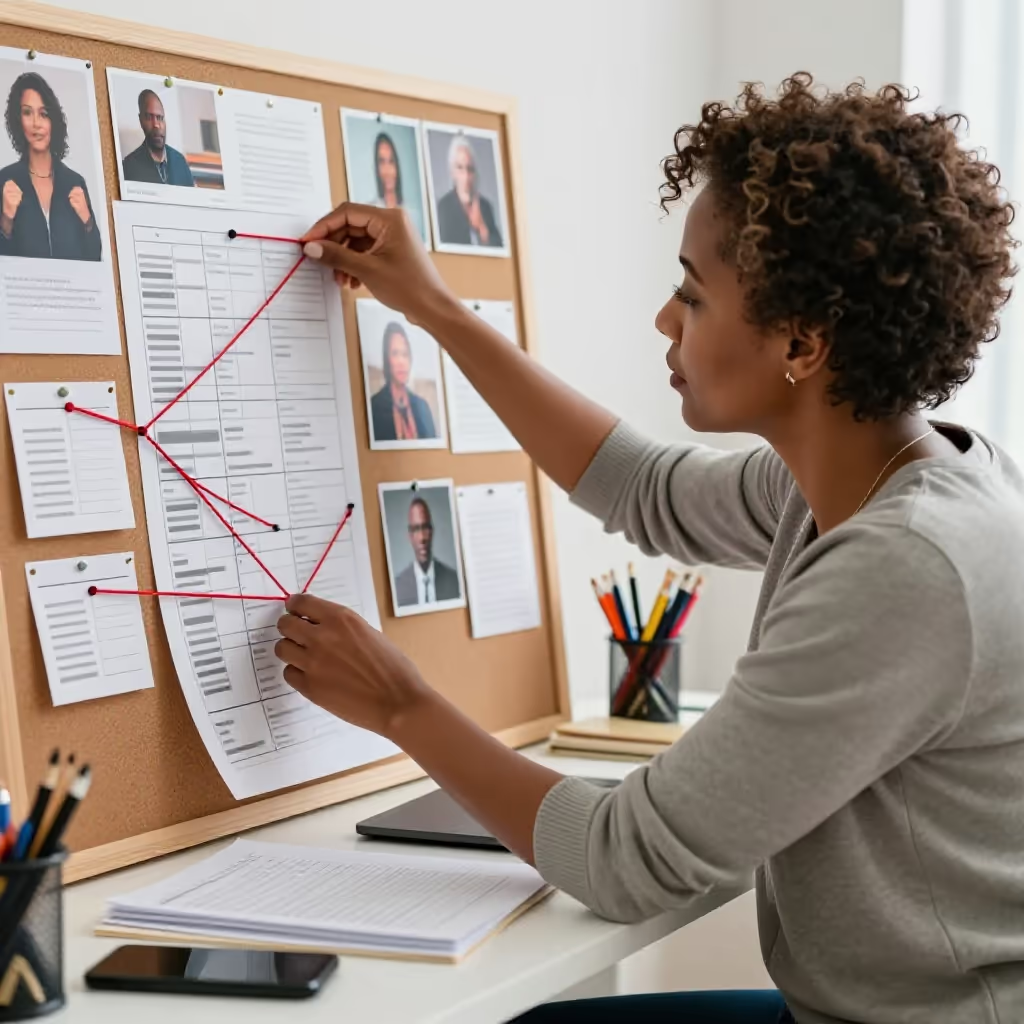
In a figurative sense: to create something complex or artful, for example a story or an intrigue.
Der Autor webt aus historischen Fakten und Fiktion einen spannenden Roman.
The author weaves a thrilling novel from historical facts and fiction.

to drift
A poetic description of a gentle, floating, or flowing movement.
Dichter Nebel wbt durch die stillen Gassen der Altstadt.
Thick fog drifts through the quiet alleys of the old town.
The subject or object of the sentence reveals the meaning. People weave fabrics, spiders weave webs, authors weave stories, and fog can drift through the streets.
Die Künstlerin webt einen farbenfrohen Teppich.
The artist is weaving a colorful carpet.
In its basic meaning, 'weben' (to weave) is combined with the materials or products of textile production. Common objects are 'Stoff' (fabric), 'einen Teppich' (a carpet), 'Leinen' (linen), or 'Wolle' (wool).
Sie lernte, wie man auf einem traditionellen Webstuhl einen Schal webt.
She learned how to weave a scarf on a traditional loom.
When the subject is a spider, 'weben' (to weave) is almost always used in the fixed combination 'ein Netz weben' (to weave a web).
Im Garten hat eine Spinne ein kunstvolles Netz gewebt.
In the garden, a spider wove an intricate web.
This figurative meaning describes the artful creation of something complex. It is often used with abstract nouns such as 'eine Geschichte' (a story), 'eine Legende' (a legend), 'ein Plan' (a plan), or 'eine Intrige' (an intrigue).
Der Regisseur webt verschiedene Handlungsstränge zu einem fesselnden Film.
The director weaves different plotlines into a gripping film.
This use is poetic and not everyday language. It describes a slow, floating movement and is often used for natural phenomena such as 'Nebel' (fog) or 'Düfte' (scents).
Der Duft von frischem Kaffee webte durch die Küche.
The smell of fresh coffee drifted through the kitchen.
to seem / take effect
Wirken refers to producing fabric by forming loops from interlaced threads. When weaving, by contrast, threads are interlaced on a loom. It is therefore the way the threads are joined that determines whether wirken or weben is used.
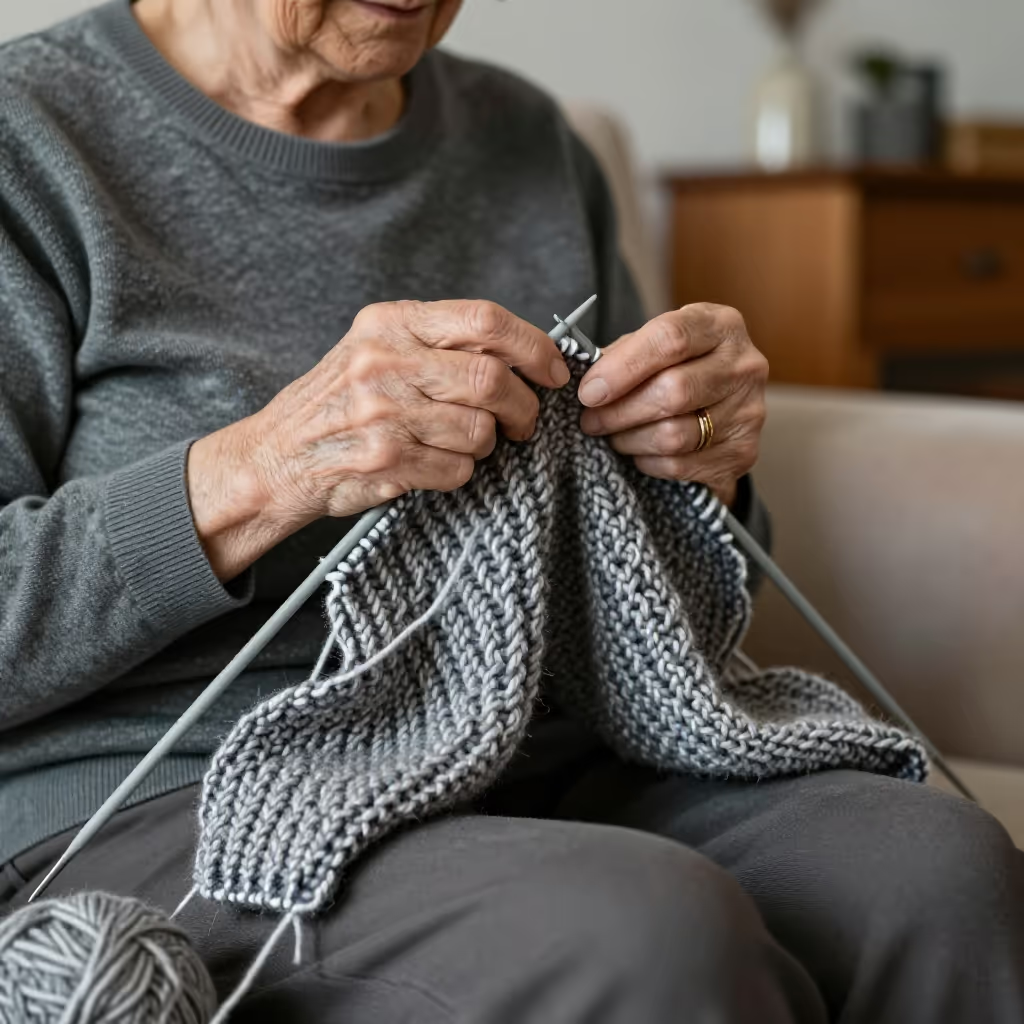
Für den festen Stoff werden auf dem Webstuhl feine Fäden miteinander verwoben.
Fine threads are woven together on the loom to make the sturdy fabric.
Für den elastischen Stoff werden auf der Maschine feine Maschen gewirkt.
Fine loops are warp-knitted on the machine to make the stretchy fabric.